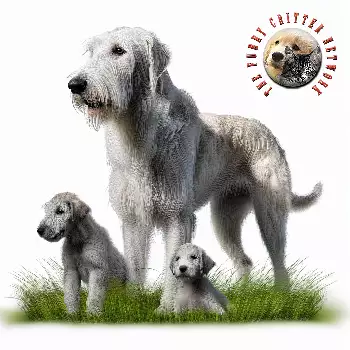

Breeding Readiness

Determining whether an Irish Wolfhound is ready for breeding involves far more than confirming that the dog has reached sexual maturity. Physical maturity, health clearances, temperament evaluation, and a clear understanding of the breed's genetic landscape all factor into the decision. Irish Wolfhounds are a giant breed with a comparatively short lifespan and a predisposition to several serious health conditions, making the stakes of any breeding decision exceptionally high.

Females should not be bred before they have reached full physical maturity, which in this breed typically occurs around two years of age at the earliest. Breeding a female before her skeletal and muscular systems are fully developed places her at increased risk for complications during pregnancy and whelping. Males should similarly be fully mature and health-tested before being used at stud. The physical demands of mating and the genetic responsibility of siring a litter require a dog that is confirmed healthy and structurally sound.

Comprehensive health testing prior to breeding is non-negotiable for responsible Irish Wolfhound breeders. At minimum, both the sire and dam should have current cardiac evaluations including echocardiography, hip and elbow assessments, and screening for any other conditions recommended by the breed's parent club and relevant health registries. These clearances exist to reduce the incidence of heritable disease in the breed and to protect both the breeding animals and their future offspring.

Temperament is an equally important consideration. The Irish Wolfhound's gentle, stable disposition is one of the breed's defining traits and should be a priority in any breeding program. Dogs that exhibit excessive fearfulness, aggression, or instability should not be bred regardless of their physical qualities. The goal of responsible breeding is to produce puppies that are healthy in body and sound in mind, capable of living comfortably as family companions.

The Heat Cycle

The reproductive cycle of the female Irish Wolfhound follows the general canine pattern but may differ in timing and frequency compared to smaller breeds. Giant-breed females often experience their first heat cycle later than small or medium breeds, sometimes not until 12 to 18 months of age or even later. The interval between cycles is also frequently longer, with many Irish Wolfhound females cycling every eight to twelve months rather than the every-six-months pattern seen in some breeds.

The heat cycle consists of four stages: proestrus, estrus, diestrus, and anestrus. Proestrus, the initial phase, is characterized by vulvar swelling and a bloody vaginal discharge that typically lasts seven to ten days. The female will attract male attention during this phase but is not yet receptive to mating. Estrus follows, during which the discharge lightens in color and the female becomes willing to accept the male. This is the fertile period, typically lasting five to nine days, during which ovulation occurs.

Pinpointing the optimal breeding window within the estrus phase is critical for maximizing the likelihood of conception. Veterinary reproductive specialists can perform progesterone testing through serial blood draws to identify the hormonal surge that precedes ovulation. This precision is particularly valuable in a breed where litter sizes are modest and each breeding opportunity carries significant investment of time, resources, and emotional commitment.

Careful record-keeping of each heat cycle — including the date of onset, duration of each phase, behavioral changes, and any irregularities — provides invaluable data for planning future breedings. Females with irregular cycles, prolonged or absent heat periods, or other reproductive anomalies should be evaluated by a veterinary reproductive specialist to determine whether breeding is appropriate and to identify any underlying conditions that may affect fertility or pregnancy.

Pregnancy & Gestation

The gestation period for Irish Wolfhounds is approximately 63 days from ovulation, consistent with other dog breeds, though the actual duration can vary by a few days in either direction depending on the timing of breeding relative to ovulation. Pregnancy can be confirmed through various methods, with ultrasound examination at approximately 25 to 30 days post-breeding being one of the most reliable for early detection. Radiography later in pregnancy, around day 45 and beyond, provides a count of skeletal puppies and helps the breeder prepare for the expected litter size.

During the first several weeks of pregnancy, the dam may show minimal outward signs of her condition. Appetite changes, subtle behavioral shifts, and slight nipple enlargement may be the only early indicators. As pregnancy progresses into the second half, abdominal enlargement becomes more obvious and the dam's nutritional needs increase substantially. Transitioning to a high-quality puppy food or a diet specifically formulated for pregnant and lactating dogs ensures that she receives the additional calories, protein, and nutrients needed to support the developing puppies.

Exercise during pregnancy should be maintained at a moderate level to support the dam's physical condition and mental well-being, but should be adjusted as her body changes. Vigorous activity, jumping, and rough play should be avoided, particularly in the later weeks. Gentle walks and free movement in a safe area allow the pregnant female to stay active without undue strain. Monitoring her comfort level and adjusting activity accordingly is the most practical approach.

Veterinary oversight throughout the pregnancy provides ongoing assurance that the dam and puppies are developing normally. Any signs of illness, vaginal discharge outside of normal parameters, loss of appetite lasting more than 24 hours, or significant lethargy should prompt immediate veterinary consultation. The breeder should establish a relationship with an emergency veterinary facility in advance of the due date, as whelping complications in giant breeds can escalate quickly and may require surgical intervention.

Whelping Preparation

Preparation for whelping an Irish Wolfhound litter should begin well in advance of the expected due date, ideally several weeks before, to ensure that all necessary supplies, equipment, and contingency plans are in place. The whelping area should be set up in a quiet, temperature-controlled room where the dam can feel secure and where the breeder has easy access for monitoring and assistance. A whelping box appropriate for a giant breed must be spacious enough for the dam to stretch out fully while equipped with pig rails to protect puppies from being accidentally crushed.

Essential supplies include clean towels and washcloths, bulb syringes for clearing airways, hemostats and sterile scissors for cord management, a digital scale for weighing puppies, a thermometer, iodine for umbilical treatment, and a supply of milk replacer and feeding tubes in case supplemental feeding becomes necessary. Having these items organized and within arm's reach eliminates frantic searching during what can be an intense and unpredictable process.

Monitoring the dam's rectal temperature twice daily as the due date approaches provides a useful indicator of imminent labor. A drop in temperature below 99 degrees Fahrenheit typically signals that whelping will begin within 24 hours. The dam may also exhibit nesting behavior, restlessness, panting, and loss of appetite in the hours before labor commences. These behavioral cues, combined with temperature data, help the breeder anticipate the onset of active labor.

A whelping plan should include the veterinarian's emergency contact information, directions to the nearest 24-hour veterinary facility, and a clear understanding of when veterinary intervention is necessary. Prolonged straining without delivery of a puppy, more than two hours between puppies, signs of extreme distress in the dam, or a puppy lodged in the birth canal all constitute emergencies requiring immediate professional assistance. Being prepared for these scenarios reduces response time and improves outcomes for both the dam and her puppies.

Postpartum Care

The hours and days following whelping are a critical period for both the dam and her newborn litter. The dam should be monitored closely for signs of postpartum complications, including excessive bleeding, foul-smelling vaginal discharge, fever, lethargy, or reluctance to nurse. A mild, dark-colored discharge is normal for the first few weeks but should gradually diminish. Any deviation from this pattern warrants veterinary attention.

Nursing should be established as quickly as possible after each puppy is born. The dam's first milk, colostrum, is rich in antibodies that provide passive immunity to the puppies during their first weeks before their own immune systems become functional. Ensuring that every puppy nurses successfully within the first several hours of life is a priority. Puppies that are weak, chilled, or unable to latch may require assisted feeding with a bottle or tube to ensure they receive adequate colostrum and nutrition.

The dam's caloric needs during lactation are extraordinary — often two to three times her normal maintenance requirement — and she should be offered a nutrient-dense, highly palatable diet in multiple small meals throughout the day. Adequate hydration is equally critical, as milk production demands substantial fluid intake. Fresh, clean water should be available at all times, and the breeder may consider offering broth or electrolyte-supplemented water to encourage drinking.

The whelping area must be kept scrupulously clean, with bedding changed frequently to reduce the risk of infection for both the dam and puppies. The ambient temperature should be maintained at an appropriate level for neonatal puppies, who cannot regulate their own body temperature during the first weeks of life. A heat source directed at one area of the whelping box allows puppies to move toward or away from warmth as needed. The breeder should weigh each puppy daily and maintain a log to track weight gain, which is the most reliable indicator of adequate nutrition and overall health during the neonatal period.

Responsible Breeding Ethics

Breeding Irish Wolfhounds carries a profound ethical responsibility that extends beyond the individual litter to the health and future of the breed as a whole. The Irish Wolfhound's relatively small gene pool, combined with its predisposition to serious health conditions including dilated cardiomyopathy, osteosarcoma, liver shunt, pneumonia, and bloat, means that every breeding decision has the potential to either improve or further compromise the breed's genetic health. Responsible breeders approach each pairing with this awareness at the forefront.

Commitment to health testing, transparent record-keeping, and participation in breed health registries are hallmarks of ethical breeding practice. Sharing health data — including unfavorable results — with the broader breed community contributes to collective knowledge and enables more informed breeding decisions across the population. Breeders who withhold negative health information or breed dogs with known health issues in pursuit of physical appearance undermine the long-term welfare of the breed.

Responsible breeders also accept lifetime responsibility for every puppy they produce. This includes thorough screening of prospective owners, honest education about the breed's health challenges and shorter lifespan, contractual agreements regarding spay/neuter and return policies, and a willingness to take back any dog at any point in its life if the owner can no longer provide appropriate care. A litter of Irish Wolfhound puppies represents a commitment that extends years into the future.

The decision not to breed a particular dog is sometimes the most responsible choice a breeder can make. A dog that does not meet the health, temperament, or structural standards appropriate for breeding — regardless of its pedigree, show record, or desirability among puppy buyers — should be placed in a loving companion home rather than used in a breeding program. The integrity of the breed depends on breeders who are willing to prioritize long-term genetic health over short-term gains.

Always consult a qualified professional before making any health-related decisions. This content is provided for informational reference only and should not replace professional guidance specific to your animal.