
Peak Health Maintenance

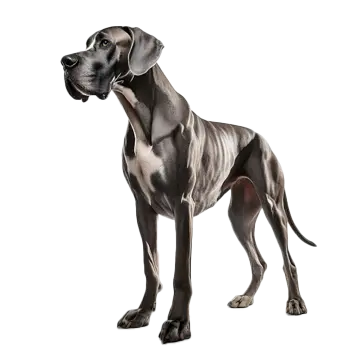
A Great Dane reaches physical maturity between two and three years of age, entering its prime adult period with a fully developed frame and settled temperament. This is the window during which the breed is at its most robust, and the habits established now directly influence how gracefully the dog will age. Because the Great Dane's lifespan is relatively short compared to smaller breeds, making the most of these prime years through proactive health management is especially meaningful.

Annual wellness examinations should be considered the minimum standard of care for an adult Great Dane, and many veterinarians who specialize in giant breeds recommend semi-annual visits. These checkups provide an opportunity to catch emerging conditions early, update vaccinations on an appropriate schedule, and monitor weight and body condition. Bloodwork panels performed at regular intervals establish baseline values for liver function, kidney function, thyroid levels, and other markers, making it much easier to detect deviations before they become clinical problems.

Gastric dilatation-volvulus, commonly known as bloat, is the single most life-threatening emergency condition that Great Dane owners must understand. In this condition, the stomach fills with gas and can twist on its axis, cutting off blood supply and leading to rapid cardiovascular collapse. Great Danes are among the breeds at highest risk. Feeding multiple smaller meals per day, avoiding vigorous exercise immediately before and after meals, and using elevated feeding stations are commonly recommended preventive measures, though research on some of these strategies continues to evolve. Prophylactic gastropexy, a surgical procedure that tacks the stomach to the abdominal wall, can be performed during spay or neuter surgery and dramatically reduces the risk of torsion.

Heart health deserves ongoing attention throughout the adult years. Dilated cardiomyopathy is a known concern in the breed, and annual cardiac screening with auscultation and periodic echocardiography can detect changes in heart function before symptoms appear. Early identification allows for medical management that may slow disease progression and extend the dog's quality years.

Nutrition at Maturity

Feeding an adult Great Dane well requires attention to quality, quantity, and timing. A high-quality adult dog food formulated for large or giant breeds provides the appropriate balance of protein, fat, and micronutrients for maintaining lean muscle mass and supporting joint health. Protein content should be sufficient to sustain the dog's substantial musculature without being so excessive that it places unnecessary strain on the kidneys over time.

Portion control remains important even after the rapid growth phase has ended. Great Danes that carry excess weight place significantly more stress on their joints, heart, and other organs than their lean counterparts. Body condition scoring, performed at home between veterinary visits, is a simple and effective way to gauge whether your dog is at an appropriate weight. The ribs should be easily palpable with light pressure, and a defined waist should be visible when the dog is viewed from above.

Meal frequency for adult Great Danes should remain at two meals per day rather than a single large feeding. Dividing the daily ration into two portions reduces the volume of food in the stomach at any given time, which may help lower the risk of bloat. Each meal should be offered in a calm environment, and the dog should be allowed to rest quietly for at least thirty to sixty minutes after eating before engaging in any activity.

Fresh water must be available at all times, and water intake should be monitored informally. A sudden increase or decrease in water consumption can be an early indicator of metabolic or kidney issues. Some Great Dane owners find that elevated water bowls reduce mess and make drinking more comfortable for the dog, though the primary consideration should be ensuring consistent access to clean water throughout the day.

Exercise & Fitness

With growth plates closed and the skeleton fully mature, adult Great Danes can enjoy a wider range of physical activities than they could during their adolescent period. Daily exercise remains essential for maintaining cardiovascular fitness, muscle tone, and mental health, though the breed's exercise needs are moderate compared to more driven working and sporting breeds. Two to three walks of moderate length per day, supplemented with free play in a fenced yard, typically satisfies the adult Great Dane's physical requirements.

Despite their imposing size, Great Danes are not endurance athletes. They are sprinters by nature, capable of impressive bursts of speed over short distances but not well suited to sustained jogging or long-distance running. Exercise sessions should include rest periods, particularly in warm weather, as the breed's large body mass generates considerable heat and can lead to overheating more quickly than in smaller dogs. Always carry water on walks and be attentive to signs of heat stress including excessive panting, drooling, and reluctance to continue.

Mental stimulation should be woven into the exercise routine. Nose work games, where treats are hidden in the yard or along a walking route, engage the dog's powerful sense of smell and provide cognitive enrichment. Training sessions that introduce new skills or refine existing ones keep the adult Great Dane mentally sharp and reinforce the bond between dog and owner. Interactive play that requires problem-solving, such as puzzle toys or hide-and-seek games, is particularly effective at tiring a Great Dane without excessive physical exertion.

Joint protection should remain a consideration even in a healthy adult. Avoid repetitive high-impact activities such as extended fetch sessions on hard surfaces, and provide supportive bedding for rest periods. Orthopedic dog beds that distribute weight evenly across the body help protect the joints and are a worthwhile investment for any giant breed dog.

Preventive Health Care

Preventive care for an adult Great Dane extends well beyond annual vaccinations and routine deworming, though both of those remain important. Vaccination protocols should be tailored to the individual dog's risk factors, lifestyle, and geographic location. Core vaccines are maintained on a schedule determined by your veterinarian, while non-core vaccines such as those for Lyme disease or leptospirosis are administered based on regional prevalence and the dog's exposure risk.

Parasite prevention is a year-round commitment in most climates. Heartworm prevention is essential and non-negotiable, as treatment for heartworm disease is both risky and expensive, particularly in a dog of this size. Flea and tick prevention should also be maintained consistently, with product selection guided by your veterinarian based on regional parasite pressures and any sensitivities your individual dog may have. Regular fecal examinations screen for intestinal parasites that can undermine the dog's health and are transmissible to humans.

Screening for breed-specific conditions should be incorporated into the preventive care plan. For Great Danes, this includes cardiac evaluation for dilated cardiomyopathy, thyroid function testing, and hip and elbow evaluations if not already completed during the juvenile period. Wobbler syndrome, a condition affecting the cervical spine that can cause gait abnormalities, is another breed concern that warrants awareness and monitoring.

Keeping detailed health records allows both the owner and the veterinary team to track trends over time. Recording weight at each visit, noting any changes in appetite, energy level, or behavior, and maintaining a log of all medications, supplements, and treatments creates a comprehensive health history that becomes invaluable as the dog ages.

Behavioral Maturity

The Great Dane's adult temperament is one of the breed's most appealing qualities. By two to three years of age, the adolescent energy and impulsiveness have typically given way to a calm, dignified demeanor characterized by deep loyalty to the family and a gentle patience that makes the breed an excellent household companion. The adult Great Dane is often described as a gentle giant with good reason, as these dogs possess a remarkable ability to modulate their strength and energy around children and smaller animals.

Despite their mature composure, adult Great Danes retain a playful streak and a strong desire for human companionship. The breed does not do well when left alone for extended periods and can develop separation anxiety if regularly isolated. Signs of separation anxiety include destructive behavior, vocalization, and house soiling in an otherwise housetrained dog. Providing the dog with structured alone time in gradual increments, offering enrichment activities during absences, and maintaining a consistent departure routine can help prevent or manage this condition.

Territorial behavior may become more pronounced in adulthood, particularly in intact males. A deep, resonant bark and an imposing physical presence make the Great Dane a natural deterrent to intruders, but excessive guarding behavior should be addressed through training rather than encouraged. The goal is a dog that alerts to unusual activity without becoming aggressive or reactive toward welcome visitors, delivery personnel, or passersby.

Continued training throughout adulthood keeps the Great Dane mentally engaged and reinforces desirable behavior patterns. Even a well-trained adult benefits from periodic refresher sessions on core obedience commands and from the introduction of new challenges such as advanced tricks, structured walking patterns, or cooperative care exercises that make veterinary visits and grooming sessions easier for everyone involved.

Dental & Grooming

Dental care is a frequently overlooked aspect of Great Dane health that has significant implications for overall wellbeing. Periodontal disease is the most common clinical condition in adult dogs of all breeds, and the bacteria associated with dental infections can enter the bloodstream and affect the heart, liver, and kidneys. Regular tooth brushing with a canine-formulated toothpaste, ideally performed daily, is the most effective preventive measure. Dental chews and water additives can supplement brushing but should not replace it.

Professional dental cleanings performed under anesthesia allow the veterinarian to clean below the gumline, assess the health of each tooth, and address any issues such as fractured teeth, root abscesses, or advanced periodontal pockets. The frequency of professional cleanings depends on the individual dog's dental health, but most adult Great Danes benefit from a professional cleaning every one to two years. Anesthetic protocols for giant breeds require specific considerations regarding drug selection and monitoring, so choose a veterinary practice experienced with large and giant breed anesthesia.

Grooming the Great Dane's short, dense coat is relatively straightforward compared to longer-coated breeds, but it should not be neglected. Weekly brushing with a rubber curry comb or bristle brush removes loose hair, distributes natural oils, and provides an opportunity to inspect the skin for lumps, bumps, rashes, or parasites. Great Danes shed moderately year-round with heavier seasonal shedding, and regular brushing significantly reduces the amount of hair deposited on furniture and clothing.

Nail trimming deserves special attention in giant breeds. Long nails alter the dog's gait and weight distribution, which can exacerbate joint problems over time. Nails should be trimmed every two to three weeks, or more frequently if the dog does not naturally wear them down through walking on hard surfaces. Many Great Danes are initially resistant to nail trimming, so introducing the process gradually with positive reinforcement and high-value rewards helps create a cooperative grooming experience.

Always consult a qualified professional before making any health-related decisions. This content is provided for informational reference only and should not replace professional guidance specific to your animal.