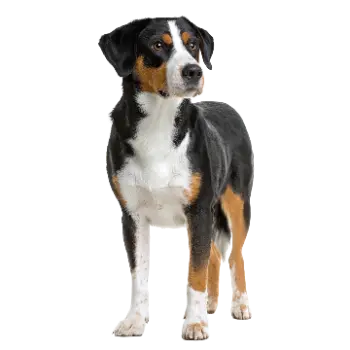

Breeding Readiness

Breeding an Entlebucher Mountain Dog is a commitment that begins long before any mating takes place. Responsible breeding requires both the sire and dam to be fully health-tested, temperamentally sound, and representative of the breed standard. The Entlebucher is a relatively rare breed with a limited gene pool, which makes informed breeding decisions especially critical for preserving the health and genetic diversity of the population as a whole.

Health testing for Entlebucher breeding candidates should include hip and elbow evaluations through an accredited orthopedic registry, ophthalmologic examination to screen for progressive retinal atrophy, and testing for ectopic ureters, a condition that occurs at elevated rates within the breed. DNA testing for known genetic mutations relevant to the Entlebucher should also be completed, and results from both the sire and dam should be evaluated together to minimize the risk of producing affected offspring.

Female Entlebuchers should not be bred before they have reached full physical and mental maturity, which typically occurs at approximately two years of age. Breeding a dog that is still growing puts unnecessary strain on a body that has not yet finished developing, and younger dogs are generally less prepared for the demands of pregnancy, whelping, and rearing a litter. Males should also be fully mature and health-tested before being used at stud.

Beyond health testing, temperament evaluation is a vital component of breeding readiness. The Entlebucher should be confident, stable, and responsive to its handler. Dogs with excessive fearfulness, unprovoked aggression, or extreme anxiety should not be bred regardless of their physical qualities. Temperament is substantially heritable, and selecting for sound character is one of the most impactful decisions a breeder can make for the future of the breed.

The Heat Cycle

Female Entlebucher Mountain Dogs typically experience their first heat cycle between eight and twelve months of age, though responsible breeders do not breed on the first or even the second cycle. Most females settle into a pattern of cycling approximately every six to eight months, though individual variation is common and some Entlebuchers may cycle as infrequently as once per year. Keeping detailed records of each cycle's timing, duration, and characteristics helps breeders predict optimal breeding windows.

The canine heat cycle consists of four distinct phases. Proestrus, the initial phase, is marked by vulvar swelling and bloody discharge and typically lasts seven to ten days. During this phase, the female attracts male attention but is not yet receptive to mating. Estrus follows, lasting approximately five to fourteen days, during which the discharge lightens in color and the female becomes willing to accept the male. Ovulation occurs during estrus, and timing mating to coincide with the fertile window is essential for successful conception.

Progesterone testing performed by a veterinarian provides the most reliable method for pinpointing ovulation and determining the optimal breeding dates. Blood samples are drawn every two to three days during the estrus phase, and rising progesterone levels indicate when ovulation is imminent or has occurred. This scientific approach eliminates much of the guesswork associated with timing natural breeding or artificial insemination and significantly improves conception rates.

Following estrus, the female enters diestrus, a phase lasting approximately sixty to ninety days during which the reproductive system either supports pregnancy or returns to a resting state. Anestrus, the final phase, is a period of reproductive quiescence that lasts until the next proestrus begins. Understanding these phases helps breeders manage their female's reproductive health and plan breeding programs effectively.

Pregnancy & Gestation

Gestation in the Entlebucher Mountain Dog lasts approximately 63 days from ovulation, though deliveries anywhere between 58 and 68 days from the first breeding are considered within normal range. Pregnancy can be confirmed through several methods, including ultrasound as early as 25 to 30 days after breeding, which can also provide an approximate puppy count and assess fetal viability. Abdominal radiographs taken after day 45 provide a more accurate count of puppies by visualizing mineralized skeletons.

Nutritional needs increase progressively throughout pregnancy. During the first four to five weeks, the pregnant Entlebucher can continue eating her normal adult diet in regular portions, as fetal growth is minimal during this period. From week five onward, caloric intake should be gradually increased, ultimately reaching approximately 25 to 50 percent above maintenance levels by the final week of pregnancy. Switching to a high-quality puppy food or performance diet during the last third of pregnancy provides the additional calories and nutrients needed without requiring the dog to consume excessive volumes of food.

Exercise should continue throughout pregnancy, though the intensity and duration will naturally decrease as the female grows heavier and less comfortable. Moderate walks and gentle play help maintain muscle tone and cardiovascular fitness, both of which contribute to a smoother whelping. Strenuous activity, rough play with other dogs, and jumping should be avoided during the later stages of pregnancy to protect both the dam and the developing puppies.

Veterinary monitoring throughout pregnancy ensures that any complications are detected early. A mid-pregnancy checkup around day 30 to 35 confirms viable pregnancy and evaluates the dam's overall health. A pre-whelping examination around day 55 to 58 assesses fetal positioning and size, identifies any potential complications, and gives the breeder an opportunity to discuss whelping plans with the veterinarian, including criteria for emergency intervention.

Whelping Preparation

Thorough preparation for whelping is one of the most important responsibilities a breeder undertakes, and it should begin well before the due date. A dedicated whelping area should be set up at least two weeks prior to the expected delivery, giving the dam time to become comfortable in the space. The whelping box should be large enough for the Entlebucher to stretch out fully but enclosed enough to contain the puppies safely, with a rail or pig bar installed along the interior walls to prevent the dam from accidentally crushing a puppy against the side.

A comprehensive whelping kit should be assembled and kept within easy reach of the whelping area. Essential supplies include clean towels and washcloths, bulb syringes for clearing airways, hemostats and sterile scissors for umbilical cord management, dental floss or thread for tying cords, a digital scale for weighing puppies, a thermometer, iodine for cord stumps, and a heating pad or heat lamp. Having a milk replacer and appropriate bottles on hand is also prudent in case supplemental feeding becomes necessary.

The dam's body temperature provides a reliable indicator that whelping is approaching. Normal canine body temperature is approximately 101 to 102.5 degrees Fahrenheit. A drop below 99 degrees typically signals that labor will begin within 12 to 24 hours. Taking the dam's temperature twice daily during the last week of pregnancy establishes a baseline and makes the pre-labor temperature drop easier to identify.

Establishing a relationship with a veterinarian who is available for after-hours emergencies is essential. Whelping complications such as dystocia, or difficult labor, can arise without warning and may require immediate veterinary intervention including emergency cesarean section. Having your veterinarian's emergency contact number posted in the whelping area, along with the location and phone number of the nearest emergency veterinary hospital, ensures that help can be summoned without delay if needed.

Postpartum Care

The first 48 hours after whelping are a critical period for both the Entlebucher dam and her puppies. The mother should be monitored closely for signs of postpartum complications including excessive bleeding, foul-smelling discharge, fever, lethargy, or disinterest in her puppies. A moderate amount of dark reddish-green discharge, known as lochia, is normal for several weeks after delivery, but any discharge that is bright red, foul-smelling, or accompanied by fever warrants immediate veterinary attention.

The dam's nutritional demands during lactation are enormous, often exceeding two to three times her normal caloric intake depending on the size of the litter. Free-feeding a high-quality puppy food or performance diet during the peak lactation period, which occurs around three to four weeks postpartum, ensures the mother can meet both her own nutritional needs and those of her growing puppies. Fresh water should be available at all times, as milk production requires substantial fluid intake.

Mastitis, an infection of the mammary glands, is a postpartum complication that can occur in any nursing dog. Signs include one or more mammary glands that appear swollen, reddened, hard, or painful to the touch, often accompanied by fever and reluctance to nurse. Mastitis requires prompt veterinary treatment with antibiotics, and affected glands may need to be expressed manually. In severe cases, puppies may need to be temporarily supplemented with milk replacer while the dam recovers.

The dam's emotional well-being is as important as her physical recovery. Entlebucher mothers are typically devoted and attentive, but the stress of whelping and round-the-clock nursing can be exhausting. Providing a calm, quiet environment with minimal disruption from visitors or other household pets supports the bonding process between dam and puppies. The breeder should handle the puppies regularly for health checks and early socialization, but always with sensitivity to the mother's comfort level.

Responsible Breeding Ethics

Responsible breeding of Entlebucher Mountain Dogs carries obligations that extend far beyond the production of puppies. The Entlebucher is a rare breed with a relatively small global population, and every breeding decision has an outsized impact on the breed's genetic health and future trajectory. Breeders have a responsibility to prioritize genetic diversity, select for health and temperament above cosmetic traits, and contribute to the long-term viability of the breed as a whole.

The limited gene pool of the Entlebucher makes coefficient of inbreeding calculations an essential tool in breeding planning. Pairings that produce puppies with high inbreeding coefficients increase the risk of homozygosity for deleterious recessive genes and reduce the overall genetic diversity of the breed. Working with breed club databases and genetic counselors to identify pairings that maintain or increase genetic diversity is a hallmark of responsible Entlebucher breeding.

Every breeder should have a clear plan for every puppy produced, including contingency plans for puppies that do not find suitable homes immediately. A commitment to taking back any dog bred under one's kennel name, at any point in the dog's life, is a cornerstone of ethical breeding practice. Puppy buyers should be carefully screened for their ability to provide appropriate homes, and purchase contracts should include spay and neuter requirements for pet-quality puppies as well as return-to-breeder clauses.

Breeding should never be undertaken for financial profit alone. The costs associated with health testing, veterinary care during pregnancy and whelping, proper nutrition, socialization, and raising a litter to eight or more weeks of age are substantial. Responsible breeders invest in their dogs and their puppies because they are committed to improving and preserving the breed, not because they expect to generate income. Any breeder whose primary motivation is financial return is unlikely to make the investments in health testing, genetic planning, and puppy rearing that responsible breeding demands.

Always consult a qualified professional before making any health-related decisions. This content is provided for informational reference only and should not replace professional guidance specific to your animal.