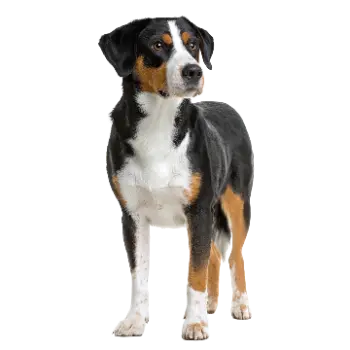

Peak Health Maintenance

The adult Entlebucher Mountain Dog, typically reaching full maturity between eighteen months and two years, enters a phase of peak physical capability that can last well into its eighth or ninth year with proper care. This is a breed built for endurance and athleticism, and maintaining that condition requires a proactive approach to health rather than a reactive one. Annual veterinary wellness exams form the foundation of preventive care, allowing early detection of conditions before they become symptomatic.

Routine bloodwork, including a complete blood count and comprehensive metabolic panel, establishes baseline values for your individual dog and can reveal subtle changes in organ function, thyroid levels, or blood cell counts that might otherwise go unnoticed. The Entlebucher is predisposed to certain conditions including hip dysplasia, progressive retinal atrophy, and ectopic ureters, and ongoing monitoring helps catch any emerging problems at the earliest possible stage.

Parasite prevention should continue year-round in most climates. Heartworm prevention is essential, as treatment for an active heartworm infection is far more costly, risky, and uncomfortable for the dog than monthly preventive medication. Flea and tick prevention protects against not only the parasites themselves but also the diseases they transmit, including Lyme disease and ehrlichiosis, both of which can cause serious illness in dogs.

Vaccination schedules during the adult years typically shift to a three-year cycle for core vaccines, though non-core vaccines such as those for leptospirosis, Bordetella, or canine influenza may be recommended annually depending on lifestyle and geographic risk factors. Keeping vaccination records current is important for boarding, grooming, and any travel plans that may involve your dog.

Nutrition at Maturity

Feeding an adult Entlebucher Mountain Dog requires attention to quality, quantity, and consistency. This breed's muscular build and high activity level demand a nutrient-dense diet with adequate protein to support lean muscle mass and moderate fat content to fuel sustained energy. A high-quality adult dog food formulated for active medium-sized breeds is an appropriate starting point, though individual needs vary based on activity level, metabolism, and body condition.

Portion control is important for the Entlebucher, as the breed's enthusiasm for food can easily lead to weight gain if portions are not measured. Overweight Entlebuchers face increased stress on their joints, elevated risk of metabolic disorders, and a potential reduction in lifespan. Feeding measured meals twice daily rather than free-feeding allows owners to monitor intake and adjust portions based on the dog's body condition score.

Body condition should be assessed regularly by running your hands along the dog's ribcage. You should be able to feel the ribs with light pressure without them being visually prominent. A clearly defined waist when viewed from above and a visible abdominal tuck when viewed from the side indicate a healthy weight. If these landmarks disappear, caloric intake should be reduced and exercise increased in consultation with your veterinarian.

Fresh water should be available at all times. Some owners supplement their dog's diet with veterinarian-approved additions such as fish oil for coat and joint health, or probiotics for digestive support. Any dietary supplements should be discussed with a veterinarian to ensure they are appropriate for your individual dog and do not interfere with existing medications or nutritional balance.

Exercise & Fitness

The adult Entlebucher Mountain Dog is a high-energy breed that requires substantial daily exercise to remain physically fit and mentally balanced. A minimum of sixty to ninety minutes of vigorous activity per day is typical for this breed, though many Entlebuchers will happily accept more. Dogs that do not receive adequate exercise frequently develop behavioral problems including excessive barking, destructive chewing, and hyperactivity indoors.

Variety in exercise keeps the Entlebucher engaged and challenged. Hiking on trails provides both physical exertion and mental stimulation through new scents and terrain. Structured games like fetch, tug, and hide-and-seek tap into the breed's natural drive and reward-seeking behavior. Swimming remains an excellent option for cardiovascular fitness without joint stress, and many adult Entlebuchers are strong, enthusiastic swimmers.

Dog sports are an outstanding outlet for the Entlebucher's combination of intelligence, athleticism, and desire to work with a handler. Agility, herding trials, rally obedience, and nose work all play to the breed's strengths and provide the kind of structured, goal-oriented activity that these dogs thrive on. Competitive or recreational participation in dog sports also strengthens the bond between dog and owner and provides a social outlet for both.

Despite their endurance, Entlebuchers can be susceptible to overheating during intense exercise in hot weather. Their dark tricolor coat absorbs heat readily, and their drive to keep working can override their body's warning signals. Exercising during cooler parts of the day, providing ample water, and watching for signs of heat stress such as excessive panting, drooling, or unsteadiness are essential precautions during warm months.

Preventive Health Care

Preventive health care during the adult years is an investment that pays dividends in the Entlebucher Mountain Dog's long-term well-being. Beyond annual wellness exams and vaccinations, several breed-specific health concerns warrant ongoing vigilance. Hip and elbow evaluations, eye examinations by a veterinary ophthalmologist, and urinary system assessments should be part of the regular health maintenance routine, given the breed's predisposition to dysplasia, progressive retinal atrophy, and ectopic ureters.

Eye health deserves particular attention in the Entlebucher. Progressive retinal atrophy, a degenerative condition that leads to vision loss, can develop during the adult years. Regular ophthalmologic exams can detect early signs of retinal changes before clinical blindness occurs. While there is no cure for progressive retinal atrophy, early detection allows owners to prepare their environment and routines to support a visually impaired dog.

Urinary tract health is another area of breed-specific concern. Ectopic ureters, a condition in which one or both ureters connect to the urinary tract in an abnormal location, occurs at a higher rate in Entlebuchers than in many other breeds. This condition can cause chronic urinary incontinence and recurrent urinary tract infections. Surgical correction is possible in many cases, and early diagnosis significantly improves outcomes.

Skin and coat health provide visible indicators of overall wellness. The Entlebucher's double coat should appear glossy and lie flat against the body. Dull, dry, or thinning coat may signal nutritional deficiencies, thyroid imbalance, or allergic conditions. Skin lumps, bumps, or persistent itching should be evaluated by a veterinarian to rule out allergies, infections, or more serious conditions.

Behavioral Maturity

Most Entlebucher Mountain Dogs reach full behavioral maturity between two and three years of age, though some individuals retain a puppy-like exuberance well beyond that timeline. The adult Entlebucher is typically a confident, loyal, and highly bonded companion that forms deep attachments to its family. This devotion is one of the breed's most endearing qualities, but it also means that Entlebuchers can be prone to separation anxiety if not taught to tolerate time alone.

The breed's herding instincts remain active throughout adulthood. Adult Entlebuchers may still attempt to herd family members, guests, or other pets, particularly during moments of excitement or when people are moving quickly. While this behavior is manageable and often amusing in moderation, it should be redirected if it involves nipping or becomes excessive. Providing appropriate outlets for herding drive through training exercises or organized herding activities can satisfy this instinct constructively.

Entlebuchers are naturally watchful and territorial, making them effective watchdogs. They tend to alert bark when visitors arrive or when something unusual occurs in their environment. Training a reliable quiet command and rewarding calm behavior around visitors helps maintain this alertness at a manageable level without allowing it to escalate into nuisance barking or aggressive posturing.

Continued training and mental engagement throughout the adult years keeps the Entlebucher sharp and responsive. This is not a breed that can be trained once and then left on autopilot. Regular refreshers on obedience commands, introduction of new tricks or tasks, and ongoing socialization experiences maintain the dog's skills and prevent the regression that can occur when training lapses. The Entlebucher genuinely enjoys working with its handler, and training sessions serve as quality bonding time as much as skill maintenance.

Dental & Grooming

Dental care is one of the most overlooked aspects of adult Entlebucher Mountain Dog health, yet it has profound implications for overall well-being. Periodontal disease affects the majority of dogs over the age of three and can lead to pain, tooth loss, and bacterial infections that spread to the heart, kidneys, and liver. Daily tooth brushing with a canine-specific toothpaste is the gold standard for home dental care, though dental chews and water additives can supplement brushing between professional cleanings.

Professional dental cleanings performed under anesthesia allow for thorough scaling below the gumline, where the most damaging tartar accumulates. Your veterinarian can recommend an appropriate schedule for professional cleanings based on the condition of your dog's teeth and gums. Some Entlebuchers are more prone to tartar buildup than others, and dogs that chew regularly on appropriate items tend to accumulate less plaque than those that do not.

The Entlebucher's coat, while short and relatively low-maintenance compared to longer-coated breeds, still requires regular attention. Weekly brushing with a firm bristle brush or rubber grooming mitt removes loose hair, distributes skin oils, and provides an opportunity to check for ticks, skin irritations, or unusual lumps. During seasonal shedding periods in spring and fall, more frequent brushing helps manage the significant amount of loose undercoat the breed produces.

Nail trimming should occur every two to three weeks, or whenever the nails begin to click on hard flooring. Overgrown nails alter the dog's gait and can cause discomfort or even structural changes in the feet over time. Ear cleaning should be performed regularly as well, with a veterinarian-approved ear cleaner used to gently wipe the outer ear canal. Entlebuchers are not particularly prone to ear infections, but routine cleaning helps prevent issues before they start.

Always consult a qualified professional before making any health-related decisions. This content is provided for informational reference only and should not replace professional guidance specific to your animal.