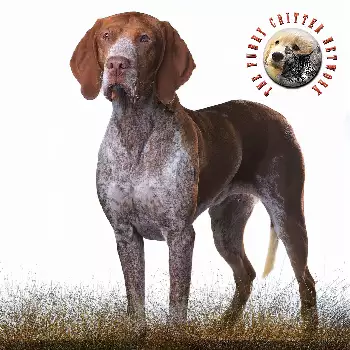

Peak Health Maintenance

The adult Bracco Italiano typically reaches full physical maturity between eighteen months and two years of age, entering a period of peak health that can extend through approximately seven to eight years. During these prime years, the focus shifts from developmental concerns to maintaining optimal health, preventing disease, and ensuring the dog's physical and mental needs are consistently met. A proactive approach to health care during adulthood pays significant dividends in the quality and length of your Bracco's later years.

Annual veterinary wellness examinations are the cornerstone of adult health maintenance. These visits allow your veterinarian to detect subtle changes in weight, dental health, heart function, and organ condition before they become clinical problems. Blood work, urinalysis, and fecal examinations should be performed at least annually to establish baseline values and identify early signs of metabolic or infectious disease. The Bracco Italiano is generally a healthy breed, but like all dogs, it benefits from routine screening.

Keeping vaccinations current according to your veterinarian's recommended schedule is essential throughout adulthood. Core vaccines protect against diseases such as rabies, distemper, parvovirus, and adenovirus, while non-core vaccines may be recommended based on your dog's lifestyle and geographic location. Parasite prevention, including heartworm prophylaxis, flea and tick control, and periodic deworming, should continue year-round in most regions.

Maintaining a healthy weight is one of the single most impactful things you can do for your adult Bracco Italiano. Obesity in dogs is associated with a host of health problems, including joint disease, diabetes, cardiovascular strain, and reduced lifespan. Monitor your dog's body condition regularly, adjusting food intake and exercise as needed to maintain a lean, athletic physique. Your veterinarian can help you determine the ideal weight range for your individual dog.

Nutrition at Maturity

Once your Bracco Italiano has completed the transition from puppy food to adult food, nutritional management becomes a matter of consistency, quality, and appropriate portioning. A high-quality adult dog food formulated for large breeds provides the balanced nutrition most adult Braccos need. Look for foods that list a whole animal protein source as the first ingredient and avoid those with excessive fillers, artificial preservatives, or vague ingredient descriptions.

Feeding two measured meals per day is the standard recommendation for adult Bracco Italianos. This schedule supports stable blood sugar levels, aids digestion, and makes it easier to monitor intake. The exact amount of food needed will vary based on your dog's weight, activity level, metabolism, and the caloric density of the specific food you are using. Use the manufacturer's feeding guidelines as a starting point and adjust based on your dog's body condition over time.

The Bracco Italiano can be prone to bloat, a potentially life-threatening condition in which the stomach fills with gas and may twist on itself. While the exact causes of bloat are not fully understood, certain feeding practices may help reduce the risk. Avoid feeding a single large meal per day, discourage rapid eating by using slow-feeder bowls, and avoid vigorous exercise immediately before and after meals. Some owners also choose to feed from an elevated bowl, though research on this practice has produced mixed results.

Fresh, clean water should always be available. Hydration needs increase with activity level and ambient temperature. If your Bracco is a working or sporting dog, consider the additional caloric and nutritional demands that regular field work or athletic activity places on the body, and consult your veterinarian about whether a performance or sport-specific formula might be appropriate during periods of heavy activity.

Exercise & Fitness

The adult Bracco Italiano is an athletic, high-endurance breed that requires substantial daily exercise to remain physically fit and mentally satisfied. Originally bred as a versatile hunting dog, the Bracco thrives when given opportunities to use its natural abilities in activities that combine physical exertion with mental engagement. A sedentary lifestyle is not suitable for this breed and will almost certainly result in behavioral problems, weight gain, and general unhappiness.

A minimum of sixty to ninety minutes of exercise per day is recommended for most adult Braccos, though active sporting dogs may need considerably more. Ideal activities include long hikes, swimming, retrieving games, and off-leash running in safely enclosed areas. Field work and hunt training are particularly fulfilling for the Bracco Italiano, as they allow the dog to exercise its pointing and tracking instincts in a structured, purposeful way.

Swimming is an excellent low-impact exercise option for the Bracco Italiano, providing a thorough cardiovascular and muscular workout without the joint stress associated with running on hard surfaces. Many Braccos take naturally to water and enjoy swimming as both exercise and recreation. Always supervise your dog around water, provide gradual introductions if the dog is unfamiliar with swimming, and rinse the coat after sessions in chlorinated or salt water.

Mental fitness is an integral component of overall health for this intelligent breed. Incorporate scent work, puzzle toys, obedience drills, and novel exploration into the daily routine. Rotate toys and activities to prevent boredom. A Bracco that receives adequate physical and mental exercise is calmer, more trainable, and better behaved in the home. Conversely, an under-exercised Bracco may channel its energy into destructive behaviors such as chewing, excessive barking, or digging.

Preventive Health Care

Preventive care during the adult years focuses on identifying and managing breed-relevant health concerns before they progress to advanced stages. The Bracco Italiano is predisposed to certain conditions that owners and veterinarians should monitor for throughout adulthood. Hip and elbow dysplasia are among the most commonly screened orthopedic conditions in large breeds, and responsible breeders typically have breeding stock evaluated through standardized radiographic protocols.

Ear health deserves particular attention in the Bracco Italiano due to the breed's long, pendulous ears. The ear conformation restricts airflow to the ear canal, creating a warm, moist environment that is conducive to bacterial and yeast infections. Regular ear cleaning with a veterinarian-approved solution, thorough drying after swimming or bathing, and prompt treatment of any redness, odor, or discharge can help prevent chronic ear problems.

Eye conditions, including entropion and ectropion, can occur in the breed due to the characteristic drooping eyelids. Regular eye examinations and prompt veterinary attention for any signs of excessive tearing, squinting, redness, or discharge are important. Some eye conditions may require surgical correction to prevent ongoing discomfort and corneal damage.

Skin fold dermatitis can also be a concern, particularly around the face and lips where the breed's loose skin creates folds that can trap moisture and debris. Keep skin folds clean and dry, and inspect them regularly for signs of irritation or infection. Your veterinarian can recommend appropriate cleaning products and treatment protocols if skin fold issues develop. Regular checkups allow your veterinarian to catch these and other conditions early, when they are most easily managed.

Behavioral Maturity

By the time the Bracco Italiano reaches full adulthood, the behavioral turbulence of adolescence should have largely settled. The mature Bracco is typically a calm, affectionate, and deeply loyal companion that forms strong bonds with its family. The breed is known for its gentle, almost regal demeanor in the home, often seeking out close physical contact with its people and displaying a sensitivity to the emotional atmosphere of the household.

Despite their generally mellow indoor behavior, adult Braccos retain a strong prey drive and an intense focus when engaged in scent work or field activities. This dual nature, serene at home and driven in the field, is one of the breed's most appealing characteristics. Owners should understand that the calm indoor behavior is a product of adequate exercise and stimulation, not an inherent lack of energy. An under-stimulated Bracco may become anxious, clingy, or destructive.

Continued training and reinforcement throughout adulthood helps maintain good behavior and strengthens the bond between dog and owner. The Bracco Italiano responds best to positive, reward-based training methods and can be sensitive to harsh vocal tones or physical corrections. Regular training sessions, even brief ones, keep the dog mentally engaged and reinforce desirable behaviors. Advanced activities such as scent work competitions, rally obedience, or therapy dog certification provide excellent outlets for the breed's intelligence and desire to work cooperatively with people.

Some adult Braccos may develop separation anxiety, particularly if they are closely bonded with a single person and left alone for extended periods. Gradual desensitization to absences, providing engaging activities during alone time, and ensuring adequate exercise before departures can help manage this tendency. If separation anxiety becomes severe, consult a veterinary behaviorist for a comprehensive management plan.

Dental & Grooming

Dental health is a frequently overlooked aspect of adult dog care that has significant implications for overall well-being. Periodontal disease is one of the most common health problems in adult dogs and can lead to pain, tooth loss, and systemic infections affecting the heart, liver, and kidneys. Establishing a regular dental care routine for your adult Bracco Italiano is essential. Daily tooth brushing with a canine-specific toothpaste is the gold standard, though even brushing several times per week provides meaningful benefit.

Professional dental cleanings performed under anesthesia by your veterinarian allow for thorough scaling, polishing, and examination of the teeth and gums, including areas that are difficult to assess in an awake dog. Your veterinarian will recommend a cleaning schedule based on your dog's individual dental health. Between professional cleanings, dental chews and water additives can provide supplemental plaque control, though these should not be considered substitutes for brushing.

The Bracco Italiano's short, dense coat is relatively low-maintenance compared to long-haired breeds, but regular grooming is still important. Weekly brushing with a rubber curry brush or hound glove removes loose hair, distributes natural skin oils, and provides an opportunity to check for skin abnormalities, parasites, or injuries. The breed sheds moderately year-round with heavier seasonal shedding periods in spring and fall.

Bathing should be done as needed, typically every four to six weeks or when the dog becomes dirty or develops an odor. Use a gentle, dog-specific shampoo to avoid stripping the natural oils from the coat. Pay special attention to cleaning and drying the ear flaps, facial folds, and lip folds during bath time. Nail trimming should be performed every two to three weeks to prevent overgrowth, which can cause discomfort and affect the dog's gait. If you are uncomfortable trimming nails yourself, a groomer or veterinary technician can handle this routine task.

Always consult a qualified professional before making any health-related decisions. This content is provided for informational reference only and should not replace professional guidance specific to your animal.