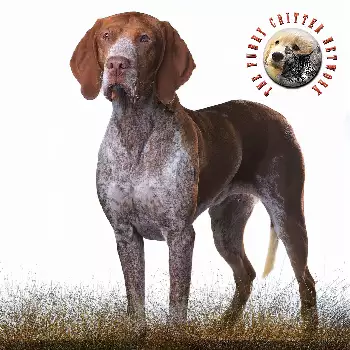

Determining when a Bracco Italiano enters the senior stage of life is not an exact science, as aging is a gradual process influenced by genetics, overall health, body condition, and lifestyle. As a large breed, the Bracco Italiano generally begins showing signs of aging earlier than smaller breeds. Most veterinary professionals consider large-breed dogs to enter the senior category around seven to eight years of age, though individual dogs may show signs earlier or later.
The transition into senior status is rarely marked by a single dramatic event. Instead, owners typically notice a gradual accumulation of subtle changes. The dog may be slightly slower to rise from a resting position, less enthusiastic about long walks, or more inclined to nap during the day. The muzzle may begin to gray, and the coat may lose some of its luster. These changes are a normal part of the aging process and should prompt a shift in care strategy rather than alarm.
Once your Bracco Italiano reaches the senior threshold, veterinary wellness visits should increase from annual to semi-annual. Twice-yearly examinations allow your veterinarian to monitor age-related changes more closely and catch emerging conditions early. Senior wellness panels, which include comprehensive blood work, urinalysis, thyroid screening, and blood pressure measurement, provide a detailed picture of your dog's internal health and establish trends that can guide treatment decisions.
Accepting that your Bracco is aging does not mean resigning yourself to decline. Many senior Braccos remain active, engaged, and deeply connected to their families for years. The key is adapting care to meet changing needs, providing appropriate support for emerging limitations, and maintaining the routines and activities that bring your dog joy in modified forms.