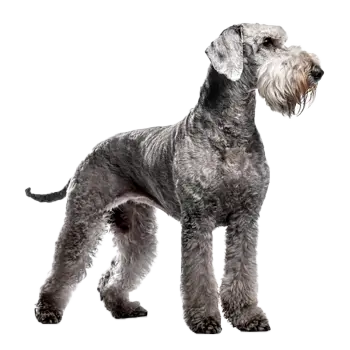

Peak Health Maintenance

A Bedlington Terrier reaches full physical maturity between eighteen months and two years of age and enters a sustained prime that can last until roughly eight or nine years. During this period, the breed's hallmark grace, endurance, and spirited personality are at their peak. The primary goal of adult care is to maintain this vitality through proactive health management rather than reactive treatment of problems as they arise.

Annual wellness examinations form the cornerstone of adult health care. Each visit should include a thorough physical exam, dental assessment, weight evaluation, and a discussion of any behavioral or lifestyle changes since the last visit. Routine bloodwork, including a complete blood count and biochemistry panel, is recommended at least once per year. For Bedlington Terriers, liver values deserve particular attention due to the breed's susceptibility to copper toxicosis. If the dog has not been genetically cleared for the condition, periodic liver function monitoring provides an early warning system.

Vaccination boosters should follow your veterinarian's recommended schedule, which is typically every one to three years for core vaccines depending on the product and local regulations. Parasite prevention, including heartworm, flea, and tick protection, should continue year-round in most climates. Discuss the specific parasite risks in your region with your veterinarian to ensure the prevention plan is appropriately targeted.

Maintaining a lean body condition throughout adulthood is one of the single most impactful things an owner can do for longevity. Excess weight places stress on the joints, cardiovascular system, and liver, all of which are particularly relevant concerns for this breed. Regularly assess your Bedlington's body condition by feeling for ribs that are easily palpable under a thin fat layer and observing a visible waist when viewed from above.

Nutrition at Maturity

An adult Bedlington Terrier typically thrives on a high-quality maintenance diet formulated for medium-sized breeds with moderate activity levels. Protein should come from identifiable animal sources, and the overall formula should provide balanced nutrition without excessive fillers or artificial additives. Most adult Bedlingtons do well on two measured meals per day, with the total daily amount calibrated to maintain an ideal body condition score.

Copper management remains a dietary priority throughout adulthood. Because the breed is genetically predisposed to accumulating copper in the liver, feeding a diet with controlled copper levels is prudent even in dogs that have tested clear for the most common copper toxicosis mutation. Avoid liver-based treats and supplements containing added copper unless specifically directed by your veterinarian. Some owners work with veterinary nutritionists to formulate or select diets with copper content tailored to the breed's needs.

Treats should constitute no more than ten percent of the daily caloric intake. Choose treats that complement the overall dietary strategy rather than undermining it. Single-ingredient treats such as dehydrated meat or small pieces of dog-safe fruits and vegetables offer nutritional value without excessive calories. Be mindful that training treats, dental chews, and table scraps all contribute to the daily caloric total.

Fresh water should always be available. Some Bedlington owners prefer filtered water to reduce mineral content, particularly in areas with hard water that may contain elevated copper levels. While the impact of waterborne copper on a Bedlington's liver health has not been conclusively established, minimizing unnecessary copper exposure from all sources is a reasonable precaution.

Exercise & Fitness

Adult Bedlington Terriers are athletic and agile dogs that require consistent daily exercise to maintain physical and mental health. Despite their elegant, lamb-like appearance, these dogs were originally bred for hunting and possess surprising speed and stamina. A healthy adult Bedlington benefits from at least sixty minutes of exercise per day, divided across walks, play sessions, and mentally engaging activities.

The breed excels in several organized dog sports that provide structured physical and mental outlets. Agility courses suit the Bedlington's nimble build and quick reflexes. Earthdog trials tap into the breed's terrier heritage and give it an opportunity to exercise its natural instincts in a controlled setting. Lure coursing provides an outlet for the prey drive in a safe, sanctioned environment. Participating in these activities strengthens the bond between dog and owner while keeping the Bedlington physically fit and mentally sharp.

Off-leash exercise should always occur in securely fenced areas. Even a well-trained adult Bedlington can be overwhelmed by its prey drive if a rabbit or squirrel appears at close range. A reliable recall is valuable but should not be the only safeguard against a chase that could lead the dog into traffic or other danger. Fenced dog parks can be appropriate if the Bedlington is well-socialized, but monitor interactions closely, as some adult Bedlingtons develop selectivity about their canine companions.

Adjust exercise intensity and duration according to weather conditions. Bedlington Terriers tolerate moderate climates well but can overheat in extreme heat and may be reluctant to exercise in heavy rain or cold. On hot days, exercise during the cooler morning and evening hours and provide ample water. During winter, consider a light coat for outdoor sessions if your Bedlington has been clipped short, as the trimmed coat provides less insulation than the natural length.

Preventive Health Care

Beyond annual exams, preventive care for the adult Bedlington Terrier encompasses several breed-specific considerations. Eye examinations by a veterinary ophthalmologist are recommended periodically, as the breed can be affected by progressive retinal atrophy and other hereditary eye conditions. Early detection allows for management strategies that may slow disease progression and helps inform decisions about breeding in intact dogs.

Heart health deserves monitoring throughout adulthood. While the Bedlington Terrier is not among the breeds most commonly associated with cardiac disease, routine auscultation during wellness exams can detect murmurs or rhythm abnormalities early. If any irregularity is noted, echocardiography provides a detailed assessment of cardiac structure and function.

Copper toxicosis screening remains the most significant breed-specific health concern. Dogs that have not been genetically tested should undergo periodic liver enzyme evaluation, and any unexplained elevation in liver values warrants further investigation, potentially including a liver biopsy. Genetic testing for the COMMD1 deletion, the most well-characterized mutation associated with the condition, is available and provides valuable information for both health management and breeding decisions.

Skin and coat health in the Bedlington requires regular professional grooming, typically every six to eight weeks, to maintain the coat's texture and prevent matting. Between professional sessions, weekly brushing keeps the coat manageable. Inspect the skin during grooming for any lumps, rashes, or parasites. The breed's distinctive coat can obscure skin changes that would be immediately visible on a smooth-coated dog, making hands-on examination an essential habit.

Behavioral Maturity

By two to three years of age, a Bedlington Terrier has typically settled into its adult temperament. The breed is known for a dual nature that combines a gentle, affectionate home demeanor with a bold, assertive presence when aroused. A well-socialized adult Bedlington is a calm and devoted household companion that bonds deeply with its family members and can be reserved but polite with strangers.

The terrier tenacity that characterizes the breed does not disappear with maturity. Adult Bedlingtons retain their prey drive, and many will pursue small animals with unwavering focus if given the opportunity. This trait is managed rather than eliminated, through consistent training, environmental management, and appropriate outlets. Owners who understand and respect this aspect of the breed's character will find it far less problematic than those who expect it to simply fade with age.

Separation tolerance varies among individual Bedlingtons, but the breed generally prefers companionship over solitude. An adult that is left alone for extended periods without adequate mental enrichment may develop undesirable behaviors such as excessive barking, destructive chewing, or anxiety-driven pacing. Providing puzzle toys, a consistent departure routine, and gradual conditioning to alone time helps most Bedlingtons cope comfortably with reasonable periods of solitude.

Continued training and enrichment throughout the adult years keeps the Bedlington's sharp mind engaged and reinforces the communication channels between dog and owner. Learning does not stop at adolescence, and introducing new commands, tricks, or activities provides stimulation that benefits both the dog's cognitive health and the quality of the relationship.

Dental & Grooming

Dental care is a critical and often underestimated component of adult Bedlington Terrier health. Periodontal disease is one of the most common health problems in dogs overall, and consistent dental hygiene significantly reduces the risk of tooth loss, pain, and systemic health effects linked to chronic oral infection. Daily tooth brushing with a veterinary-approved enzymatic toothpaste is the gold standard, though even three to four brushing sessions per week provide meaningful benefit.

Professional dental cleanings under anesthesia should be performed as recommended by your veterinarian, typically every one to two years depending on the dog's individual rate of tartar accumulation. These cleanings allow for thorough scaling below the gum line, dental radiographs to assess tooth root health, and treatment of any emerging issues. Between professional cleanings, dental chews and water additives can supplement but should not replace brushing.

The Bedlington Terrier's coat is unlike most other breeds and requires a specialized grooming regimen. The coat is a mixture of hard and soft hair that grows continuously and does not shed in the typical canine fashion. This makes the breed a good choice for allergy-conscious households but also means that regular professional grooming is not optional. The traditional Bedlington clip involves specific scissoring patterns for the head, body, and legs that preserve the breed's characteristic silhouette.

Between grooming appointments, owners should brush the coat at least weekly to prevent tangles, particularly behind the ears, under the legs, and in the furnishings. Bathe the dog as needed, using a mild shampoo that does not strip the coat's natural texture. Check and clean the ears regularly, as the drop ear shape can trap moisture and promote infection. Nails should be trimmed every two to three weeks or as needed to maintain a comfortable length that does not alter the dog's natural gait.

Always consult a qualified professional before making any health-related decisions. This content is provided for informational reference only and should not replace professional guidance specific to your animal.