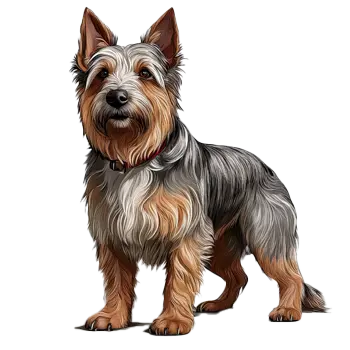

When Does Senior Begin?

Determining when an Australian Terrier transitions from adult to senior is not an exact science, but most veterinary professionals consider small breeds to enter their senior years around nine to eleven years of age. The Australian Terrier is a relatively long-lived breed with a typical lifespan of twelve to fifteen years, which means the senior stage can represent a significant and meaningful portion of the dog's life. Understanding when this transition begins allows owners to make proactive adjustments to care that support health and comfort during the aging process.

The onset of senior status is often marked by subtle changes rather than dramatic shifts. An owner who has lived with the dog for years is often the first to notice small differences in energy level, recovery time after exercise, or slight changes in gait or posture. These early signs may be easy to dismiss as normal variations, but they frequently signal the beginning of age-related changes that benefit from veterinary attention and management.

Veterinary professionals may recommend transitioning to a senior wellness program once the dog reaches the age threshold for its breed size. This typically involves increasing the frequency of veterinary examinations from annually to semi-annually and expanding the scope of routine diagnostics to include more comprehensive blood work, urinalysis, and other screening tests. These measures allow for earlier detection of conditions such as kidney disease, thyroid imbalance, diabetes, and early-stage cancers that become more prevalent with age.

It is worth noting that chronological age and biological age do not always align perfectly. Some Australian Terriers remain remarkably vital and active well into their senior years, while others may begin showing signs of aging somewhat earlier. Individual genetics, lifetime nutrition, exercise habits, and overall health history all play a role in how gracefully a particular dog ages. Regardless of outward appearance, adjusting care to account for the realities of an aging body is a wise and compassionate approach.

Mobility & Joint Health

Joint health and mobility are among the most common concerns for senior Australian Terriers. Although the breed is small and relatively light, the cumulative effects of a lifetime of activity can take a toll on joints, ligaments, and cartilage. Patellar luxation, a condition in which the kneecap slips out of its normal position, is a known concern in the breed and may worsen with age. Arthritis, or degenerative joint disease, is also common in aging dogs and can significantly impact comfort and mobility if not managed.

Early signs of joint discomfort include reluctance to jump onto furniture or climb stairs, stiffness after resting, a change in gait, or a decrease in overall activity level. These signs may be intermittent at first and more noticeable in cold or damp weather. Owners who observe these changes should bring them to the veterinarian's attention promptly, as early intervention can substantially slow the progression of joint disease and improve the dog's quality of life.

Management strategies for joint health in senior Australian Terriers are multifaceted. The veterinarian may recommend joint-supporting supplements, anti-inflammatory treatments, or physical therapy approaches such as controlled leash walking, gentle range-of-motion exercises, or hydrotherapy. Maintaining a healthy body weight is one of the most effective ways to reduce stress on aging joints, as even a small amount of excess weight can amplify joint pain and accelerate cartilage breakdown.

Simple environmental modifications can also make a meaningful difference in the daily comfort of a senior Australian Terrier with mobility challenges. Providing ramps or pet stairs to access favorite resting spots, placing non-slip mats on slippery floors, and ensuring the dog's bed is supportive and easy to get in and out of are practical steps that reduce strain on compromised joints. Regular, moderate exercise remains important for maintaining muscle mass and joint flexibility, but the intensity and duration should be adjusted to the dog's current comfort level.

Cognitive Changes

Cognitive decline is a reality for many aging dogs, and the Australian Terrier is not exempt from this aspect of growing older. Canine cognitive dysfunction, sometimes compared to dementia in humans, is a progressive condition that affects memory, learning, awareness, and behavior. While not every senior Australian Terrier will develop significant cognitive impairment, awareness of the signs allows for early intervention and supportive care.

Common indicators of cognitive change include disorientation in familiar environments, altered sleep-wake cycles such as nighttime restlessness or pacing, changes in social interaction including withdrawal from family or unusual clinginess, housetraining regression, and a decrease in responsiveness to known commands or cues. These changes typically develop gradually and may initially be mistaken for simple aging or stubbornness rather than recognized as symptoms of a neurological condition.

Mental stimulation and environmental enrichment play a protective role in supporting cognitive function in aging dogs. Continuing to engage the senior Australian Terrier in training exercises, puzzle toys, nosework activities, and gentle interactive play helps maintain neural pathways and cognitive sharpness. Novel experiences presented at a comfortable pace, such as short walks along new routes or the introduction of new safe toys, provide beneficial mental challenges without causing stress.

Veterinary assessment is important when cognitive changes are observed, as some symptoms overlap with other treatable medical conditions such as pain, vision loss, hearing loss, or urinary tract infections. The veterinarian can help differentiate between cognitive dysfunction and other causes and may recommend dietary modifications, supplements, or other supportive treatments that have shown benefit in managing cognitive decline. Establishing a predictable daily routine and maintaining a consistent, comfortable home environment also helps reduce confusion and anxiety in cognitively affected dogs.

Nutrition for Aging

Nutritional needs shift as the Australian Terrier enters its senior years, and adjusting the diet to reflect these changes is an important part of supporting health and vitality during aging. Senior dogs generally have lower caloric requirements than younger adults due to decreased activity levels and a natural slowing of metabolism, yet their needs for high-quality protein, essential fatty acids, and certain vitamins and minerals may actually increase to support aging muscles, joints, and organ systems.

Transitioning to a senior-formulated dog food designed for small breeds provides a diet calibrated to these changing needs. These formulas typically feature moderate calorie levels to help prevent weight gain, increased fiber content to support digestive health, and enhanced levels of joint-supporting nutrients. The transition should be made gradually over seven to ten days to avoid digestive upset, and the dog's response to the new diet should be monitored through body condition assessments and overall energy level.

Appetite changes are common in senior dogs and can reflect a range of underlying factors. Dental pain, gastrointestinal discomfort, decreased sense of smell, or systemic illness can all reduce appetite and should be investigated by a veterinarian. Warming food slightly to enhance its aroma, offering meals in smaller and more frequent portions, or adding a small amount of warm water or low-sodium broth to kibble can help encourage eating in dogs with reduced appetite.

Hydration becomes increasingly important in senior dogs, particularly those with kidney concerns or those taking medications that may affect fluid balance. Fresh water should always be readily accessible, and owners should monitor water intake for significant changes in either direction. Increased thirst can be an early indicator of conditions such as kidney disease, diabetes, or Cushing's disease, all of which are more common in older dogs and benefit from early detection and management.

Increased Veterinary Care

The frequency and scope of veterinary care should increase as the Australian Terrier enters its senior years. Semi-annual wellness examinations allow the veterinarian to track changes more closely and catch emerging health problems at their earliest stages, when treatment options are broadest and outcomes are most favorable. Each visit should include a thorough physical examination, dental assessment, and discussion of any changes the owner has observed at home.

Comprehensive blood work, including a complete blood count and biochemistry panel, should be performed at least annually and ideally every six months for senior dogs. These tests provide critical information about organ function, including the liver, kidneys, and thyroid, and can reveal conditions that are not yet producing outward symptoms. Urinalysis adds another layer of diagnostic information and is particularly important for detecting early kidney disease and diabetes.

Dental disease accelerates in many senior dogs and can have far-reaching health consequences beyond the mouth. Professional dental cleanings under anesthesia may be recommended more frequently, and the veterinarian will assess the dog's overall health to determine whether anesthesia is appropriate. Advanced dental disease that results in loose or infected teeth may require extraction to relieve pain and eliminate sources of chronic infection.

Senior Australian Terriers may also require more frequent monitoring and management of chronic conditions that develop with age. Conditions such as heart disease, diabetes, thyroid imbalance, and various forms of cancer become more prevalent in older dogs and often require ongoing medication, dietary management, and regular follow-up. Open communication between the owner and veterinarian about the dog's daily quality of life, comfort level, and response to treatment ensures that care decisions are made with the dog's best interests at heart.

Quality of Life Assessment

Assessing and maintaining quality of life is the guiding principle of senior care for the Australian Terrier. As the dog ages and faces the inevitable challenges of declining health, the owner's role increasingly centers on ensuring that each day is as comfortable, enjoyable, and dignified as possible. Quality of life is a holistic concept that encompasses physical comfort, emotional wellbeing, the ability to engage in enjoyable activities, and the preservation of the dog's essential character and spirit.

Several structured quality of life assessment tools are available to help owners evaluate their senior dog's daily experience. These tools typically consider factors such as pain level, appetite, hydration, mobility, hygiene, happiness, and the ratio of good days to bad days. Regularly revisiting these assessments provides a more objective framework for tracking changes over time and can be a valuable basis for conversations with the veterinarian about ongoing care decisions.

Maintaining the routines and relationships that bring the senior Australian Terrier joy is an important aspect of quality of life. Even as physical abilities decline, most dogs continue to find pleasure in companionship, gentle play, short walks in favorite locations, and the comfort of familiar surroundings. Adapting activities to the dog's current abilities rather than eliminating them entirely helps preserve the sense of purpose and engagement that contributes to emotional wellbeing.

Pain management is a cornerstone of quality of life in the senior years. Dogs are instinctively inclined to mask pain, so owners and veterinarians must be vigilant for subtle indicators such as changes in posture, facial expression, breathing patterns, appetite, and interaction with family members. A comprehensive pain management plan developed in partnership with the veterinarian may include a combination of approaches tailored to the individual dog's needs. The ultimate goal is to ensure that the Australian Terrier's senior years are characterized by comfort, contentment, and the loving care it has earned through a lifetime of companionship.

Always consult a qualified professional before making any health-related decisions. This content is provided for informational reference only and should not replace professional guidance specific to your animal.