
Breeding Readiness

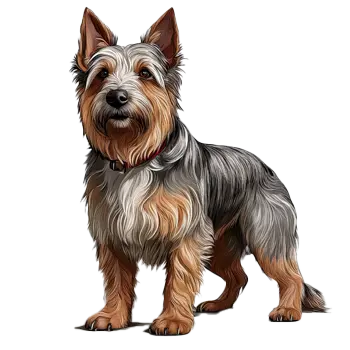
Breeding an Australian Terrier is a serious commitment that requires careful preparation, a thorough understanding of the breed, and an unwavering focus on the health and welfare of both the dam and the sire. Before any breeding is planned, both dogs should undergo comprehensive health screening to rule out hereditary conditions that are known to occur in the breed. Patellar luxation evaluation, thyroid testing, and screening for Legg-Calve-Perthes disease are among the assessments recommended by breed clubs and responsible breeders.

Physical maturity is a prerequisite for safe and successful breeding. While Australian Terriers may reach sexual maturity as early as six to eight months of age, responsible breeders typically wait until the female is at least two years old before considering a first breeding. This allows the dog to reach full physical and emotional maturity, ensures that health screening results are accurate and representative, and provides time to confirm that the dog possesses the temperament and structural qualities that merit reproduction.

Beyond physical health, the breeder should have a clear purpose for the breeding and a detailed plan for the resulting litter. This includes identifying suitable homes for every puppy before the breeding takes place, understanding the financial investment required for proper prenatal and postnatal care, and being prepared to take back or rehome any puppy at any point in its life if the placement does not work out. Breeding should never be undertaken lightly or purely for financial gain.

The pedigrees of both the dam and sire should be carefully studied to assess compatibility and to avoid doubling up on undesirable traits or genetic risks. Consultation with experienced mentors in the breed and with the dogs' veterinarians provides valuable perspective and helps ensure that the breeding decision is sound from every angle.

The Heat Cycle

Understanding the female Australian Terrier's reproductive cycle is essential for successful breeding management. The heat cycle, also known as estrus, occurs approximately every six to eight months in most Australian Terrier females, though individual variation is common. Each cycle consists of four distinct phases: proestrus, estrus, diestrus, and anestrus, and recognizing the signs of each phase helps the breeder determine the optimal time for breeding.

Proestrus is the initial phase, typically lasting seven to ten days, during which the vulva swells and a bloody vaginal discharge appears. The female may attract male dogs during this phase but will not yet accept mating. Behavioral changes such as increased urination, restlessness, and heightened attention to her hindquarters are common indicators that proestrus has begun.

Estrus follows proestrus and is the phase during which the female is receptive to mating. This phase generally lasts five to nine days, and the discharge typically lightens in color and volume. The female may actively seek the male, flag her tail to one side, and stand willingly for mounting. Ovulation usually occurs early in the estrus phase, but the precise timing can vary. Veterinary tools such as progesterone testing and vaginal cytology provide accurate determination of the optimal breeding window and significantly improve the chances of a successful mating.

Diestrus follows estrus and lasts approximately sixty to ninety days, encompassing the period of pregnancy if conception occurred. Anestrus is the resting phase between cycles during which the reproductive system is quiescent. Maintaining accurate records of each cycle's timing, duration, and characteristics helps the breeder predict future cycles and plan breedings more effectively.

Pregnancy & Gestation

The gestation period for the Australian Terrier is approximately sixty-three days from ovulation, though deliveries anywhere from fifty-eight to sixty-eight days after breeding can fall within the normal range. Confirming pregnancy can be done through veterinary ultrasound as early as twenty-five to thirty days after breeding, which also provides an estimate of litter size and allows the veterinarian to assess fetal viability. Abdominal palpation and radiography later in pregnancy offer additional confirmation and a more accurate puppy count.

Nutritional management during pregnancy is critical for the health of both the dam and the developing puppies. During the first several weeks of pregnancy, the dam's nutritional needs are only slightly increased, and she can continue on her regular high-quality adult diet. Beginning around the fifth week, caloric intake should be gradually increased, and many breeders transition the dam to a high-quality puppy food or a diet formulated for pregnancy and lactation, which provides the elevated protein, fat, and mineral levels needed to support fetal growth.

The dam should continue to receive moderate exercise throughout pregnancy to maintain muscle tone and cardiovascular fitness, but strenuous activity, rough play, and jumping should be avoided, particularly in the later weeks. Regular veterinary check-ups during pregnancy allow the veterinarian to monitor the dam's weight gain, overall condition, and the progress of the pregnancy. Any signs of illness, unusual discharge, significant changes in appetite, or behavioral abnormalities should be reported to the veterinarian promptly.

As the due date approaches, the dam may become increasingly restless, seek out quiet nesting spots, and show a decrease in appetite. A drop in body temperature below one hundred degrees Fahrenheit, measured rectally, often precedes the onset of labor by twelve to twenty-four hours and is a useful indicator that whelping is imminent. Having the veterinarian's emergency contact information readily available and a plan for after-hours veterinary care is essential during the final days of pregnancy.

Whelping Preparation

Thorough whelping preparation is one of the most important responsibilities of the breeder and can make the difference between a smooth delivery and a stressful emergency. The whelping area should be set up in a quiet, clean, and temperature-controlled location at least two weeks before the expected due date so the dam has time to become comfortable in the space. A purpose-built whelping box with low sides for easy access, removable rails to prevent the dam from accidentally lying on a puppy, and a washable, non-slip floor surface is ideal.

A comprehensive whelping kit should be assembled and kept within easy reach. Essential supplies include clean towels and washcloths for drying and stimulating puppies, sterile hemostats and surgical scissors for clamping and cutting umbilical cords if the dam does not sever them herself, unwaxed dental floss for tying off cords, a bulb syringe for clearing mucus from airways, a digital thermometer, a precise kitchen scale for weighing puppies, and a heating pad or heat lamp for supplemental warmth. A notebook and pen for recording birth times, weights, and observations should also be at hand.

Familiarizing yourself with the normal stages of canine labor is essential preparation. The first stage of labor involves uterine contractions and cervical dilation and may last six to twelve hours. The dam may pant, pace, shiver, or refuse food during this phase. The second stage is active delivery, during which puppies are born at intervals of approximately fifteen to sixty minutes, though longer pauses between puppies can be normal. The third stage involves the passage of placentas, which typically follows each puppy.

Knowing when to seek veterinary assistance during whelping can be lifesaving. Prolonged straining for more than thirty to sixty minutes without producing a puppy, more than two hours between puppies once active labor has begun, signs of extreme distress or exhaustion in the dam, a puppy visibly stuck in the birth canal, or foul-smelling or green-tinged discharge before the first puppy is born are all situations that require immediate veterinary evaluation. Having a clear plan for emergency transport and communication with the veterinary team ensures that help can be accessed quickly if needed.

Postpartum Care

The postpartum period demands attentive care for both the dam and her newborn Australian Terrier puppies. In the hours following delivery, the dam should be encouraged to rest quietly with her litter, nursing and bonding with the puppies in a calm, warm environment. The whelping area should be cleaned and fitted with fresh bedding, and the dam should be offered fresh water and a light, easily digestible meal once she has settled.

Monitoring the dam closely during the first several days after whelping is essential. Normal postpartum discharge, known as lochia, is dark red to brownish and gradually decreases in volume over the first two to three weeks. Discharge that is foul-smelling, greenish, or excessively heavy may indicate a retained placenta or uterine infection and requires prompt veterinary attention. The dam's mammary glands should be checked regularly for signs of mastitis, which presents as swollen, hard, hot, or painful teats and may be accompanied by fever and lethargy.

The dam's nutritional demands during lactation are the highest of her entire life, often requiring two to three times her normal caloric intake at peak milk production. Feeding a high-quality food formulated for lactation, offered in multiple meals throughout the day, helps ensure she can sustain milk production without depleting her own body reserves. Access to abundant fresh water is equally critical, as dehydration can quickly reduce milk supply and compromise the dam's health.

The breeder should weigh each puppy daily during the first two weeks to confirm that all are gaining weight appropriately. Any puppy that fails to gain or begins losing weight needs immediate attention, as this may indicate insufficient nursing, competition from stronger littermates, or an underlying health issue. The dam's behavior toward her puppies should also be observed carefully. While most Australian Terrier mothers are attentive and nurturing, first-time dams may occasionally show confusion or anxiety, and very rarely a mother may reject or show aggression toward a puppy, requiring intervention to ensure the puppy's safety and nutrition.

Responsible Breeding Ethics

Responsible breeding is guided by a commitment to improving the breed, producing healthy and well-tempered dogs, and ensuring that every puppy is placed in a loving, permanent home. The Australian Terrier community places a high value on ethical breeding practices, and breeders who adhere to these principles contribute to the long-term health and preservation of this distinctive breed. Cutting corners on health testing, breeding dogs with known health or temperament problems, or producing litters without confirmed homes for every puppy undermines the breed and contributes to the broader problem of pet overpopulation.

Transparency is a hallmark of ethical breeding. Responsible breeders are forthcoming about the health history and test results of their breeding dogs, honest about the strengths and weaknesses of their lines, and open to questions from prospective puppy buyers. They provide comprehensive contracts that outline the buyer's and breeder's obligations, including health guarantees, spay/neuter requirements for pet-quality puppies, and a commitment to take back or assist in rehoming any puppy at any point in its life.

The welfare of the breeding dogs themselves is a non-negotiable priority. Breeding females should be given adequate rest between litters to recover fully, and no female should be bred on every heat cycle or continue producing litters past the age at which pregnancy and whelping become risky to her health. The physical and emotional wellbeing of the dam is always more important than the production of puppies. Breeding dogs should live as valued family members, not as production animals housed in kennel-only environments.

Mentorship and ongoing education are essential components of responsible breeding. The best breeders remain students of their breed throughout their careers, seeking out knowledge from experienced mentors, staying current with advances in canine health and genetics, and actively participating in breed clubs and organizations that support the Australian Terrier. Breeding is a privilege and a responsibility, and those who approach it with humility, integrity, and a genuine love for the breed make the most meaningful contributions to its future.

Always consult a qualified professional before making any health-related decisions. This content is provided for informational reference only and should not replace professional guidance specific to your animal.