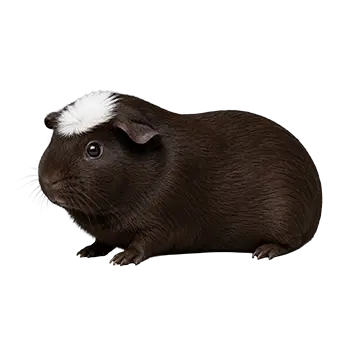

White Crested guinea pigs are generally considered to enter their senior years around four to five years of age, though the transition from adulthood to old age is gradual and varies from one individual to another. Some guinea pigs show signs of slowing down as early as three and a half years, while others remain vibrant and active well past five. Rather than relying on a single age milestone, it is more useful to watch for the collection of subtle changes that signal the onset of aging.
Early signs of aging in a White Crested guinea pig may include a slight decrease in activity level, less enthusiasm for running during floor time, and longer periods spent resting in a favorite hiding spot. The guinea pig may still enjoy interaction and respond eagerly at feeding time but show less interest in extended play or exploration. These changes are normal and do not necessarily indicate illness, but they do signal that care routines should begin to shift toward comfort and prevention.
The coat may also provide visual cues to aging. While the White Crested's short coat does not change as dramatically as some breeds, you may notice the fur becoming slightly thinner or less lustrous. The white crest itself may spread or soften in definition. Some guinea pigs develop small patches of dry or flaky skin as natural oil production decreases with age.
Once you recognize that your guinea pig is entering its senior years, schedule a veterinary visit to establish a baseline for this new stage of life. Your veterinarian can perform a thorough examination, check for common age-related conditions, and discuss any adjustments to diet, environment, or care routines that may benefit your aging companion. Semi-annual veterinary visits rather than annual ones are advisable for senior guinea pigs, as health conditions can develop and progress more quickly in older animals.