
Breeding Readiness

Before considering breeding White Crested guinea pigs, it is essential to understand the responsibilities involved and to ensure that both the sow and the boar are in optimal health. Breeding should never be undertaken casually, as guinea pig pregnancies carry real risks, particularly for the mother. A thorough veterinary examination of both prospective parents is the first step, confirming that they are free from illness, parasites, genetic abnormalities, and any condition that could be passed to offspring.

Female guinea pigs reach sexual maturity as early as four weeks of age, but this does not mean they are physically ready for pregnancy. The ideal age for a sow's first breeding is between four and seven months. It is critically important that a female guinea pig has her first litter before she reaches approximately ten months of age. After this point, the pubic symphysis, the cartilaginous joint in the pelvis, begins to fuse permanently. If a sow that has never given birth becomes pregnant after this fusion has occurred, she may be unable to deliver naturally, creating a life-threatening emergency that requires surgical intervention.

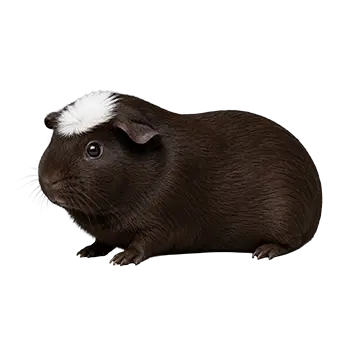
Male guinea pigs can begin breeding as early as three weeks of age, but a boar is typically at his physical best for breeding between five and twelve months. The male should be a healthy weight, free from respiratory or skin conditions, and in good overall body condition. Both parents should exhibit the breed characteristics you wish to produce, including a well-defined white crest, correct coat texture, and sound temperament.

Beyond physical readiness, consider whether you have the resources, knowledge, and commitment to care for a litter of pups. This includes having suitable housing prepared for the mother and babies, a plan for separating male pups before they reach sexual maturity, and confirmed homes for any pups you do not intend to keep. Guinea pig rescues and shelters are often overwhelmed, and responsible breeding means taking full accountability for every life you bring into the world.

The Estrous Cycle

Female guinea pigs are polyestrous, meaning they cycle continuously throughout the year without a seasonal breeding period. The estrous cycle in guinea pigs lasts approximately 15 to 17 days, with the sow being receptive to the male for a window of only 6 to 11 hours during each cycle. Recognizing the signs of estrus is important for timing a breeding introduction, though many breeders simply house compatible pairs together and allow nature to take its course.

During estrus, the sow may display subtle behavioral changes including increased restlessness, lordosis posture when touched on the back, and a willingness to approach or tolerate the boar. Some sows become more vocal or active, while others show only minimal outward signs. The vulva may appear slightly swollen or moist. These signs can be easy to miss, especially for first-time breeders, so careful daily observation is helpful if you are tracking the cycle.

When introducing a boar to a sow for breeding, do so in a neutral space or in the sow's enclosure after a thorough cleaning. Monitor the pair closely during their first interactions. The boar will typically begin courting with rumble strutting, circling, and vocalizing. If the sow is receptive, she will stand still and allow mounting. If she is not in estrus, she may flee, chatter her teeth, or turn and snap at the boar. Separate the pair if interactions become aggressive.

After a successful mating, the sow can be confirmed pregnant through weight gain, abdominal enlargement, and eventually the ability to feel fetal movement in the later stages of gestation. A veterinarian experienced with guinea pigs can often confirm pregnancy through gentle palpation or ultrasound. Once pregnancy is confirmed, the boar should be separated from the sow to prevent a postpartum pregnancy, as females can conceive again within hours of giving birth.

Pregnancy & Gestation

The gestation period for White Crested guinea pigs ranges from 59 to 72 days, with an average of about 63 to 68 days. This is notably longer than many other small rodents and reflects the advanced state of development that guinea pig pups achieve before birth. Litter sizes typically range from one to four pups, with two or three being most common. Larger litters tend to have shorter gestation periods, while a single pup may be carried for the full duration.

During pregnancy, the sow's nutritional needs increase significantly. Continue offering unlimited timothy hay, but you may reintroduce alfalfa hay to provide the additional calcium and protein needed for fetal development and preparation for lactation. Increase the daily portion of fresh vegetables, with particular emphasis on vitamin C-rich options, as the demands on the sow's body are substantial. Ensure fresh, clean water is always available, as pregnant guinea pigs drink considerably more than usual.

As the pregnancy progresses, the sow will gain weight steadily and her abdomen will become visibly enlarged. In the final weeks, you may be able to see or feel the pups moving. The sow's activity level may decrease somewhat, and she may spend more time resting. This is normal, but any sudden change in behavior, loss of appetite, or vaginal discharge should be reported to a veterinarian immediately, as these can indicate pregnancy complications.

Prepare a clean, quiet space for the birth well in advance. Remove any ramps, upper levels, or obstacles that could pose a risk to newborn pups. Ensure the cage has solid walls or very narrow bar spacing that tiny pups cannot squeeze through. Provide extra bedding and multiple low-profile hiding spots where the sow can feel secure during and after delivery. The birthing environment should be calm, warm, and free from the stress of other animals or excessive human activity.

Birth & Delivery

Guinea pig births typically occur quickly and with minimal complications when the sow is healthy and has been properly cared for during pregnancy. Most deliveries happen during the evening or nighttime hours. The entire labor process usually lasts between 15 and 40 minutes, with each pup arriving approximately five to ten minutes apart. The sow will deliver each pup still enclosed in an amniotic sac, which she will immediately break open and consume along with the placenta.

It is important to observe the birth from a distance without interfering unless absolutely necessary. The sow needs to clean each pup, which stimulates breathing and circulation. She will also consume the afterbirth, which provides important nutrients and helps reduce the scent that might attract predators in a wild setting. Each pup should begin moving and vocalizing within minutes of birth. Count the placentas to ensure one has been delivered for each pup, as a retained placenta can cause serious infection.

In most cases, human intervention during birth is neither necessary nor advisable. However, there are situations that require immediate veterinary assistance. If more than 20 minutes pass between pups with the sow showing signs of active straining, if the sow appears exhausted and stops pushing, if a pup appears stuck in the birth canal, or if there is excessive bleeding, contact an emergency veterinarian immediately. Dystocia, or difficult birth, is a genuine risk in guinea pigs and can become life-threatening for both mother and pups if not addressed promptly.

After all pups have been delivered and the sow has cleaned them, check that each pup is breathing normally, moving actively, and beginning to seek out the mother's teats. Verify that the sow is alert, eating, and drinking. Offer her a small amount of a favorite vegetable or treat to encourage eating. The family should be left undisturbed as much as possible during the first 24 hours to allow bonding and recovery.

Postpartum Care

The period immediately following birth is critical for both the sow and her pups. The mother needs time to recover from the physical demands of pregnancy and delivery while simultaneously producing milk and caring for her litter. Continue providing the enriched diet you offered during pregnancy, maintaining alfalfa hay alongside timothy hay and offering generous portions of vitamin C-rich vegetables. The sow's caloric and nutritional needs are at their highest during the first three weeks of lactation.

Monitor the sow closely for signs of postpartum complications. Mastitis, an infection of the mammary glands, can occur if a teat becomes blocked or damaged. Signs include swollen, hard, or discolored mammary tissue, reluctance to nurse, and lethargy. A sow that stops eating, shows signs of pain, or develops a foul-smelling vaginal discharge may be experiencing a uterine infection. Both conditions require prompt veterinary treatment.

The boar must remain separated from the sow during the postpartum period and beyond, unless he has been neutered. A female guinea pig can enter estrus and become pregnant again within hours of giving birth. A back-to-back pregnancy places enormous strain on the sow's body and significantly increases health risks for both mother and future pups. If you plan to house the pair together again, the boar should be neutered and a waiting period of several weeks observed before reintroduction.

As the pups grow, begin planning for their future housing arrangements. Male pups must be separated from their mother and female siblings by three weeks of age to prevent early pregnancies. Have separate enclosures ready for weaned males, and confirm homes for any pups you will be rehoming. The transition from the birthing environment to permanent housing should be gradual and as stress-free as possible for all animals involved.

Responsible Breeding Ethics

Responsible breeding of White Crested guinea pigs goes far beyond simply pairing a male and female and allowing nature to take its course. Ethical breeders prioritize the health, temperament, and welfare of their animals above all other considerations, including aesthetics, show potential, or financial return. Every breeding decision should be made with the understanding that you are creating new lives that will depend entirely on human care for the next five to seven years.

Genetic responsibility is a cornerstone of ethical breeding. Familiarize yourself with the hereditary conditions and traits relevant to the White Crested breed and guinea pigs in general. Avoid breeding animals with known health issues, poor temperament, or conformational defects that could be passed to offspring. Maintain records of your breeding lines, including health histories, litter sizes, and any complications, to inform future pairing decisions.

The welfare of the sow must always be the primary concern. No female guinea pig should be bred more than two or three times in her lifetime, and adequate recovery time between litters is essential. A sow that has experienced complications during pregnancy or delivery should generally not be bred again. Retired breeding animals deserve the same quality of care and companionship as any pet guinea pig and should be provided with comfortable, permanent homes.

Consider the broader context of guinea pig welfare before breeding. Shelters and rescues frequently house guinea pigs in need of homes, and every litter produced by a breeder potentially displaces an animal in rescue. If your goal is to improve the breed, demonstrate a commitment to that goal through health testing, careful record-keeping, mentorship from experienced breeders, and a willingness to keep and care for any pups that do not find suitable homes. Breeding is a privilege that carries significant responsibility, and the welfare of every animal involved should remain at the center of every decision.

Always consult a qualified professional before making any health-related decisions. This content is provided for informational reference only and should not replace professional guidance specific to your animal.