
Growth & Physical Development

The juvenile period for a White Crested guinea pig spans roughly from four weeks to about five or six months of age, and it is marked by rapid and visible physical transformation. During this stage, your guinea pig will gain weight steadily, often reaching half of its adult body weight by eight weeks and approaching full size by five months. Males tend to grow slightly larger than females, ultimately reaching the upper end of the 700 to 1,200 gram adult weight range.

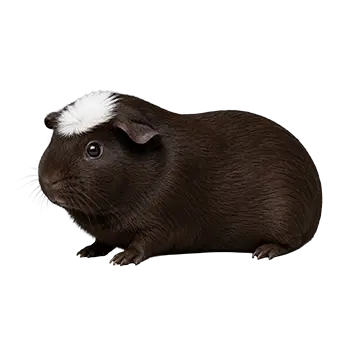
The White Crested's defining feature, the single white rosette centered on the forehead, becomes fully formed during this period. The crest should be clean, well-defined, and symmetrical, sitting neatly between the ears. The rest of the coat remains short, smooth, and dense. Coat color deepens and becomes more uniform as the juvenile fur is gradually replaced by the adult coat, typically completing the transition by around four months.

Bone development is still ongoing during the juvenile stage, which makes proper nutrition and gentle handling especially important. Avoid allowing young guinea pigs to jump from heights, as their skeletal structure is not yet fully hardened. Growth plates remain open for several months, and injuries during this time can result in lasting skeletal problems.

Regular weigh-ins remain valuable during this period, though they can shift from daily to weekly. Track your guinea pig's weight on a consistent schedule, always weighing at the same time of day. A healthy juvenile should show steady upward progress. Any sudden weight loss or prolonged plateau should prompt a veterinary consultation to rule out illness or parasites.

Nutrition & Diet Transition

By the time a White Crested guinea pig reaches the juvenile stage, it should be fully weaned and eating a complete diet of timothy hay, quality pellets, and a variety of fresh vegetables. Unlimited timothy hay is the cornerstone of the diet at every life stage, providing the fiber necessary for healthy digestion and continuous dental wear. Young guinea pigs may also be offered alfalfa hay until about six months of age, as its higher calcium and protein content supports growth.

Pellets formulated specifically for guinea pigs should be offered daily in measured amounts. For juveniles, approximately one-eighth of a cup per day is a reasonable guideline, though this can vary depending on the individual's size and growth rate. Choose a plain pellet without added seeds, dried fruit, or colorful additives, as these ingredients offer no nutritional benefit and can encourage selective eating habits.

Fresh vegetables should be introduced gradually and rotated to provide dietary variety and a broad spectrum of vitamins. Vitamin C is of particular importance because guinea pigs cannot produce it internally. Bell peppers, parsley, and dark leafy greens such as kale and romaine are excellent daily choices. Introduce one new vegetable at a time and watch for any digestive upset, such as soft stool or gas, before adding it to the regular rotation.

Fresh, clean water must be available at all times. Many owners use sipper bottles, which should be checked daily to ensure the ball valve is functioning and the water is flowing freely. Some guinea pigs prefer open water dishes, which should be heavy enough to resist tipping and cleaned daily to prevent bacterial buildup. During the juvenile growth phase, adequate hydration supports every aspect of development, from organ function to coat quality.

Behavioral Changes

Adolescence brings a noticeable shift in behavior for White Crested guinea pigs. The playful, carefree energy of the baby stage evolves into more complex social behaviors as the guinea pig begins to establish its place within its group. You may notice increased vocalizations, including assertive rumbling, louder wheeks at feeding time, and occasional teeth chattering during interactions with cage mates.

Male guinea pigs in particular may begin to display dominance behaviors between two and four months of age. These can include mounting, chasing, rumble strutting, and raising the head to appear taller. In most cases, these behaviors are normal parts of establishing a social hierarchy and will settle once a pecking order is decided. However, if interactions escalate to aggressive biting or sustained chasing that prevents a submissive pig from eating or resting, intervention may be necessary.

Female juveniles tend to be somewhat less overtly dramatic in their social dynamics, though they also establish hierarchies. A pair or small group of females will typically sort out their social order with less conflict than males, but individual personalities vary widely. The White Crested breed is generally known for its docile nature, but adolescence can temporarily amplify assertive tendencies in any individual.

This is also the age when your guinea pig's unique personality becomes most apparent. Some White Cresteds are bold and outgoing, greeting their owners with enthusiastic wheeks and readily climbing into laps. Others are more reserved and cautious, preferring to observe before engaging. Respect your guinea pig's individual temperament and avoid forcing interactions. Patient, consistent handling during adolescence builds a foundation of trust that shapes the guinea pig's behavior for the rest of its life.

Handling & Confidence Building

Regular, gentle handling during the juvenile period is essential for raising a confident and trusting White Crested guinea pig. Aim for at least one or two handling sessions per day, keeping them positive and stress-free. Always approach the guinea pig at its level rather than reaching in from above, and scoop it up with both hands supporting its full body. Speaking in a calm, steady voice helps the guinea pig associate your presence with safety.

Lap time is one of the most effective ways to build a bond with a juvenile guinea pig. Place a towel or fleece pad on your lap and let the guinea pig sit with you while you talk, read, or watch television. Offer small pieces of a favorite vegetable during these sessions to create a positive association. Over time, most White Cresteds become remarkably comfortable with lap time and may even begin to seek it out.

Floor time in a guinea pig-safe area provides valuable exercise and mental stimulation during the juvenile phase. Set up a pen with tunnels, low bridges, and hiding spots to encourage exploration. Supervise all floor time carefully, ensuring the area is free from electrical cords, toxic plants, and other hazards. Floor time also provides an opportunity to observe your guinea pig's movement and coordination, which can help you spot potential health issues early.

If your guinea pig is particularly nervous, avoid the temptation to rush the socialization process. Some juveniles need more time to adjust, especially if they were not handled frequently before coming to your home. Sit near the enclosure and talk to the guinea pig without trying to pick it up. Offer treats through the cage bars. Gradually progress to placing your hand in the enclosure and allowing the guinea pig to approach you. Patience during this stage is always rewarded with a more trusting adult.

Exercise & Enrichment

Juvenile White Crested guinea pigs are energetic and curious, and they thrive when given opportunities for physical activity and mental stimulation. The enclosure itself should be spacious enough to allow running and exploration. A minimum of 7.5 square feet of floor space is recommended for a pair of guinea pigs, though more space is always better. Multi-level cages with low ramps can add usable area, but ramps should be gentle in slope and covered with a non-slip surface.

Enrichment items keep a juvenile guinea pig mentally engaged and help prevent boredom-related behaviors such as excessive chewing on cage bars or overgrooming. Tunnels, paper bags with the handles removed, crumpled newspaper, and cardboard boxes with entry holes all provide inexpensive entertainment. Rotate enrichment items regularly to maintain novelty, as guinea pigs can become bored with the same objects over time.

Foraging opportunities are a natural and rewarding form of enrichment. Scatter pellets or small pieces of vegetable throughout the hay rather than placing them in a single bowl. Hide treats inside paper towel rolls or under hay piles. These activities encourage the guinea pig to use its natural foraging instincts and slow down eating, which benefits both mental and digestive health.

Social interaction with compatible cage mates is perhaps the most important form of enrichment for any guinea pig. Guinea pigs are herd animals and should never be housed alone if it can be avoided. A bonded pair or trio will play together, groom each other, and communicate constantly. The companionship of another guinea pig provides a level of social enrichment that no amount of toys or human interaction can fully replace.

Spay & Neuter Considerations

Guinea pigs reach sexual maturity early, with males capable of breeding as young as three weeks and females as early as four weeks. If you are housing mixed-sex groups, separation or surgical alteration is essential to prevent unplanned pregnancies. Neutering a male guinea pig is the most common approach, as the surgery is generally considered less invasive than spaying a female.

The decision to spay or neuter should be made in consultation with a veterinarian experienced in guinea pig surgery. Guinea pigs are sensitive to anesthesia, and not all veterinary practices have the specialized knowledge required for safe small-animal surgery. Seek out an exotic animal specialist and discuss the risks and benefits thoroughly before scheduling any procedure.

Neutered males can typically be introduced to female cage mates after a waiting period of several weeks to ensure no residual fertility. This waiting period is critical, as viable sperm can remain in the reproductive tract for some time after surgery. Your veterinarian will advise you on the appropriate timeline based on the individual case.

Spaying females is sometimes recommended for health reasons beyond reproductive control. Female guinea pigs are prone to ovarian cysts, which can develop at any age but become more common as the animal matures. Spaying eliminates this risk entirely. However, because the surgery carries inherent anesthetic risk, it is typically recommended only when there is a medical indication or a clear need for mixed-sex housing. Discuss the long-term health implications with your veterinarian to determine the best course of action for your White Crested.

Socialization & Cage Mate Introductions

The juvenile period is the ideal time to introduce a White Crested guinea pig to new cage mates, as younger guinea pigs tend to be more adaptable and accepting of unfamiliar companions. However, introductions must always be handled with care and patience, regardless of age. Begin by housing the guinea pigs in adjacent enclosures so they can smell and hear each other without physical contact. This acclimation period typically lasts several days to a week.

When you are ready for a face-to-face introduction, choose a neutral territory that neither guinea pig has claimed as its own. A bathroom floor, a clean playpen, or a section of floor covered with a fresh towel works well. Place several piles of hay and a few hiding spots in the area to reduce tension. Supervise the interaction closely and be prepared to intervene if aggression escalates beyond normal dominance displays.

Expect some degree of dominance behavior during initial meetings. Rumble strutting, mounting, nose-to-nose confrontations, and mild chasing are all normal and should be allowed to proceed as long as no guinea pig is being injured. These rituals help the guinea pigs establish their social hierarchy. Intervene only if there is lunging with intent to bite, sustained aggressive chasing, or if one guinea pig is clearly terrorized and unable to escape.

Once the guinea pigs have coexisted peacefully during several supervised sessions, you can move them into a shared enclosure. Thoroughly clean the cage beforehand and rearrange the furniture to create neutral ground. Provide multiple food stations, water sources, and hiding spots so no single guinea pig can monopolize resources. Monitor the pair closely for the first few days in their shared home, watching for signs of stress, injury, or food guarding. Most well-matched guinea pigs settle into a comfortable routine within a week or two.

Always consult a qualified professional before making any health-related decisions. This content is provided for informational reference only and should not replace professional guidance specific to your animal.