
Peak Health Maintenance

The adult stage for a White Crested guinea pig generally spans from around six months to approximately four years of age, representing the longest and most stable period of its life. During these prime years, your guinea pig should be at its healthiest, most active, and most socially engaged. Maintaining this peak condition requires consistent attention to diet, environment, and routine veterinary care.

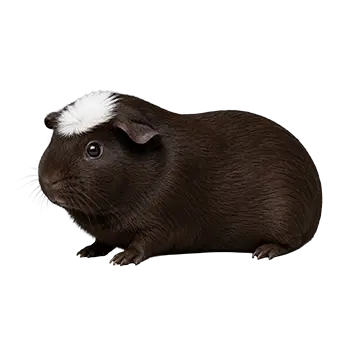
A healthy adult White Crested will have bright, clear eyes, a smooth and glossy coat with a well-defined white crest, and a body condition that is neither bony nor excessively round. The guinea pig should be alert and responsive, vocalizing regularly and showing interest in its surroundings. Familiarize yourself with your guinea pig's normal behavior patterns so that subtle changes, which are often the first indicators of illness, stand out immediately.

Weekly weigh-ins remain an important health monitoring tool throughout adulthood. An adult White Crested should maintain a relatively stable weight once it has reached full size. Fluctuations of more than 50 grams in either direction over a short period warrant closer observation, and a sustained downward trend should prompt a veterinary visit. Keep a simple weight log that you can reference over time to identify patterns.

Preventive care during the adult years focuses on maintaining the conditions that support long-term health rather than reacting to problems as they arise. A clean living environment, a balanced diet, regular social interaction, and annual veterinary checkups form the foundation of a care routine that can help your White Crested enjoy a full and comfortable lifespan.

Nutrition at Maturity

The adult White Crested guinea pig's diet should center on unlimited timothy hay, which provides the fiber essential for proper digestion and continuous dental wear. By the time a guinea pig reaches adulthood, it should have transitioned fully from alfalfa hay to timothy or orchard grass hay. Alfalfa is too high in calcium for adult guinea pigs and can contribute to the formation of bladder stones when fed long-term.

Pellets continue to play a supporting role in the adult diet but should be offered in controlled quantities. Approximately one-eighth of a cup of timothy-based pellets per day per guinea pig is sufficient. Overfeeding pellets is one of the most common dietary mistakes and can lead to obesity, a condition that puts strain on the guinea pig's joints, heart, and overall health. Choose a pellet that is fortified with vitamin C and free of artificial colors and added sugars.

Fresh vegetables should make up a meaningful portion of the daily diet, providing hydration, vitamins, and variety. Aim to offer about one cup of mixed vegetables per guinea pig per day. Prioritize vitamin C-rich options such as bell peppers, which are one of the most concentrated natural sources of the nutrient. Rotate other vegetables including romaine lettuce, endive, cucumber, and herbs like cilantro and parsley to keep the diet interesting and nutritionally diverse.

Fruits should be treated as occasional treats rather than dietary staples. The high sugar content of most fruits can disrupt digestive balance and contribute to weight gain if offered too frequently. A small slice of apple, a few blueberries, or a thin wedge of strawberry once or twice a week is sufficient. Always remove uneaten fresh foods from the enclosure within a few hours to prevent spoilage and bacterial growth.

Exercise & Fitness

Adult White Crested guinea pigs benefit from daily exercise outside their enclosure in addition to the activity they get within it. Floor time in a safe, enclosed area allows your guinea pig to run, explore, and stretch in ways that the confines of even a generous cage cannot accommodate. Aim for at least 30 minutes to an hour of supervised floor time each day, though many guinea pigs will happily explore for longer.

The exercise area should be free from hazards including electrical cords, small objects that could be swallowed, and spaces where a guinea pig could become trapped. Cover smooth flooring with towels or fleece to provide traction, as guinea pigs can slip on hardwood or tile surfaces. Add tunnels, low ramps, and hiding spots to encourage movement and exploration. Rotate these items periodically to maintain the guinea pig's curiosity.

Watch for signs that your guinea pig may not be getting enough physical activity. An adult that spends most of its time sitting in one spot, shows little interest in exploring during floor time, or has begun to gain excess weight may need more encouragement to move. Sometimes simply rearranging the cage furniture or introducing a new enrichment item is enough to spark renewed interest in activity.

Social play between bonded cage mates is a natural and important form of exercise. Guinea pigs that live in pairs or small groups chase each other, play-wrestle, and race around their enclosure in ways that solitary guinea pigs cannot replicate. If your White Crested lives alone due to circumstances, make an extra effort to provide interactive enrichment and consider whether a compatible companion might be possible in the future.

Preventive Health Care

Annual veterinary checkups are the cornerstone of preventive health care for adult White Crested guinea pigs. During these visits, the veterinarian will examine the teeth for malocclusion or overgrowth, check the ears for mites or infection, palpate the abdomen for masses or organ enlargement, and assess overall body condition. These routine examinations often catch problems in their earliest stages, when treatment is most effective and least invasive.

Dental health deserves particular attention throughout adulthood. Guinea pig teeth grow continuously, and a diet rich in hay is essential for keeping them worn to a healthy length. Signs of dental problems include drooling, dropping food while eating, weight loss, and a preference for soft foods over hay. If you notice any of these symptoms, seek veterinary attention promptly, as dental issues can escalate quickly and lead to secondary infections or starvation.

Skin and coat health should be monitored regularly. The White Crested's short, smooth coat is relatively low-maintenance, but it is still susceptible to fungal infections, mites, and lice. Watch for excessive scratching, hair loss, flaky skin, or scabs. Fungal infections in particular are common in guinea pigs and can spread between animals and occasionally to humans. A veterinarian can perform a skin scraping or culture to diagnose the cause and recommend appropriate treatment.

Urinary health is another area of focus for guinea pigs. The species is prone to bladder stones and urinary tract infections, especially when calcium intake is too high or water consumption is too low. Monitor your guinea pig's urination patterns and watch for signs of straining, blood in the urine, or vocalizing during urination. A balanced diet with controlled calcium and plenty of fresh water significantly reduces the risk of urinary complications.

Behavioral Maturity

By the time a White Crested guinea pig reaches full adulthood, its personality is well established and its behavior patterns are generally predictable. The adolescent dominance displays and social jockeying have given way to a settled hierarchy among cage mates. Adults tend to be calmer and more consistent in their interactions with both humans and other guinea pigs, making this stage particularly rewarding for owners.

Adult guinea pigs communicate through a rich vocabulary of sounds and body language. Wheeks of excitement at the sound of a rustling bag, contented purring during lap time, and quiet teeth chattering to establish boundaries are all part of the normal behavioral repertoire. Learning to interpret these signals deepens your understanding of your guinea pig's needs and preferences, and it allows you to respond appropriately to expressions of comfort, stress, or desire.

Some behavioral changes in adulthood can signal underlying health issues and should not be dismissed as personality quirks. A guinea pig that suddenly becomes aggressive toward a long-term cage mate may be in pain. One that stops vocalizing or retreats to a hiding spot for extended periods may be ill. Changes in eating habits, grooming behavior, or activity level all warrant attention and potentially a veterinary consultation.

Mental stimulation remains important throughout adulthood to prevent boredom and associated behavioral problems. Continue to offer a variety of enrichment activities, rotate cage furniture, and provide regular social interaction. An adult guinea pig that is physically healthy, mentally stimulated, and socially fulfilled will exhibit the confident, curious, and affectionate demeanor that makes the White Crested breed such a popular companion animal.

Dental & Grooming

The White Crested guinea pig's grooming needs are modest compared to long-haired breeds, but routine care is still essential for maintaining health and comfort. A weekly brushing with a soft-bristled brush removes loose hair, distributes natural skin oils, and gives you an opportunity to inspect the coat and skin for any abnormalities. Pay attention to the area around the crest, as the rosette pattern can sometimes trap small debris or bedding.

Nail trimming is one of the most important and frequently overlooked aspects of guinea pig grooming. Adult guinea pigs typically need their nails trimmed every three to four weeks. Overgrown nails can curl under the foot, causing pain, difficulty walking, and an increased risk of injury. Use small animal nail clippers and trim just the tip of each nail, avoiding the quick. If your guinea pig has dark nails that make the quick difficult to see, trim conservatively and more frequently.

Guinea pigs have a grease gland located at the base of the spine, near where a tail would be. This gland can produce an oily, waxy buildup that is particularly noticeable in intact males. Clean the grease gland area gently with a small amount of coconut oil or a guinea pig-safe cleanser as needed. Neglecting this area can lead to matted fur, skin irritation, and an unpleasant odor.

Full baths are rarely necessary for White Crested guinea pigs and should be avoided unless the guinea pig is genuinely soiled or a veterinarian has recommended a medicated bath for a skin condition. Guinea pigs are susceptible to chilling, and the stress of bathing can outweigh the benefits for most animals. If a bath is needed, use lukewarm water, a guinea pig-safe shampoo, and dry the guinea pig thoroughly afterward in a warm, draft-free area. Spot cleaning with a damp cloth is usually sufficient for minor messes.

Always consult a qualified professional before making any health-related decisions. This content is provided for informational reference only and should not replace professional guidance specific to your animal.