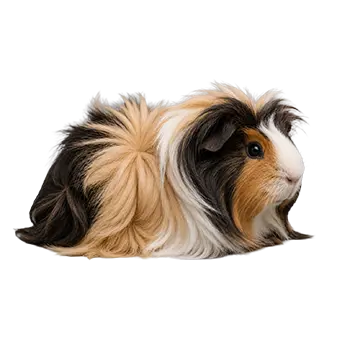

Recognizing the Signs

As a Sheba Mini Yak approaches the end of its life, a constellation of changes typically emerges that distinguishes terminal decline from treatable illness. Persistent weight loss despite adequate food availability, a progressive withdrawal from social interaction, and a marked decrease in grooming behavior are among the most common early indicators. Your guinea pig may stop wheeking for food, spend most of its time tucked into a single hiding spot, and show little interest in vegetables that once prompted an enthusiastic response.

Physical signs can include labored or noisy breathing, a dull and unkempt coat, sunken eyes, and a notable loss of muscle mass along the spine and hindquarters. You may notice changes in droppings, either significantly reduced output, abnormal shape, or the absence of cecotropes, which indicate declining digestive function. In some cases, you may observe a guinea pig grinding its teeth quietly even while resting, which can be a sign of persistent discomfort.

It is important to distinguish between a treatable condition and genuine end-stage decline. A guinea pig that suddenly stops eating may have a dental problem that can be corrected, an infection that responds to antibiotics, or a bladder stone that can be managed. Always consult your veterinarian when you notice concerning changes, even when you suspect the end may be near. A veterinary assessment can clarify whether intervention can restore quality of life or whether the kindest course is comfort care.

Trust the intimate knowledge you have built over years of daily observation. You know your guinea pig's baseline better than anyone, and your instinct that something has fundamentally changed is often the most reliable signal. Acknowledging that your pet may be entering its final phase is difficult, but it opens the door to providing the most compassionate care possible during the time that remains.

Palliative & Hospice Care

Hospice care for a guinea pig focuses on maximizing comfort and minimizing distress during the final stage of life. Work closely with your veterinarian to develop a palliative care plan tailored to your Sheba Mini Yak's specific condition. This plan may include pain management medication, anti-inflammatory drugs, appetite stimulants, and subcutaneous fluids to support hydration in a guinea pig that is drinking less on its own.

Environmental comfort becomes paramount during hospice care. Keep the enclosure warm, draft-free, and on a single level with everything within easy reach. Use the softest available bedding, and consider placing fleece pads or small towels in your guinea pig's favorite resting spots. If your guinea pig is no longer able to groom itself, gently clean its coat with a damp cloth, paying special attention to the hindquarters and any areas prone to urine scalding.

Syringe feeding may become necessary if your guinea pig is no longer eating enough to maintain its weight. Your veterinarian can recommend a critical care formula that provides the calories, fiber, and vitamin C needed to sustain a guinea pig that has lost its appetite. Feed slowly and gently, allowing the guinea pig to swallow at its own pace, and stop if it shows signs of distress or aspiration. The goal of syringe feeding during hospice is comfort and nourishment, not aggressive nutritional rehabilitation.

Maintain social connection throughout the hospice period. If your Sheba Mini Yak has a bonded cage mate, allow them to remain together as long as the healthy guinea pig is not causing stress to the declining one. The presence of a companion can be profoundly comforting for a social species. Similarly, continue gentle handling sessions if your guinea pig finds them soothing, but follow its cues and do not force interaction when it prefers to rest.

The Decision

Deciding when to pursue euthanasia for a beloved guinea pig is one of the hardest choices a pet owner faces. The goal is to prevent unnecessary suffering while honoring the life and bond you share. A quality-of-life assessment, ideally done in collaboration with your veterinarian, provides a structured framework for evaluating whether your guinea pig is still experiencing more comfort than distress.

Consider the daily balance of good moments versus difficult ones. Is your guinea pig still able to eat, drink, and rest comfortably? Does it respond to your voice or presence with any sign of recognition or comfort? Is pain adequately managed, or does the guinea pig show persistent signs of suffering despite medication? When the answers to these questions consistently point toward more suffering than peace, the compassionate choice becomes clearer.

Many owners struggle with the fear of acting too soon or waiting too long. Both concerns are valid and reflect the depth of your care. Veterinarians experienced in guinea pig medicine can offer their professional perspective, but the final decision rests with you. It is worth remembering that choosing euthanasia when your pet is still having some good moments means you are sparing it from the worst of what lies ahead, and that is an act of love, not one of giving up.

Having the conversation with your veterinarian before a crisis allows you to make a thoughtful, informed decision rather than a reactive one during a moment of panic. Ask your vet to explain the process, the options for at-home versus in-clinic euthanasia, and what to expect so that you feel as prepared as possible when the time comes.

The Process

Euthanasia for guinea pigs is a gentle, humane process designed to end suffering with minimal distress. Your veterinarian will typically administer a sedative first to relax the guinea pig and eliminate any awareness of the subsequent steps. Once the sedative has taken full effect and the guinea pig is deeply unconscious, an overdose of an anesthetic agent is administered, which stops the heart painlessly within seconds.

You may choose to be present during the procedure or not, and both choices are entirely valid. Many owners find comfort in holding their guinea pig or resting a hand on its body during the process, providing a final moment of physical connection. Others prefer to say goodbye beforehand and step out, and there is no judgment in that choice. Do whatever feels right for you and your family.

Bring a favorite blanket, fleece liner, or small item from home to wrap your guinea pig in during and after the procedure. Familiar scents can provide comfort during the sedation phase, and having something soft and personal makes the experience feel less clinical. Some owners bring a small piece of a favorite vegetable, a final offering that carries symbolic weight even if the guinea pig is too sedated to eat.

After the procedure, your veterinarian will confirm that the heart has stopped and give you time with your guinea pig if you wish. There is no rush. Take whatever time you need to say goodbye, and ask your vet about aftercare options before you leave. Many clinics can handle arrangements for you or provide referrals to pet aftercare services in your area.

Aftercare Options

After your Sheba Mini Yak has passed, you have several options for caring for its remains, and the right choice is whichever brings you the most peace. Home burial is permitted in many areas and allows you to create a personal memorial in your yard or garden. Check local regulations regarding depth requirements and proximity to water sources before proceeding. A small wooden box or biodegradable wrapping provides a dignified resting place.

Pet cremation services offer individual or communal cremation. Individual cremation returns your guinea pig's ashes to you, typically within a few days to a week, in an urn or container of your choosing. Communal cremation is a less expensive option where multiple animals are cremated together and the ashes are not returned. Both options are handled respectfully by professional pet aftercare providers.

Some owners choose to preserve a memento of their guinea pig, such as a clipping of fur, a paw print impression, or a photograph taken during a peaceful moment. These keepsakes can provide tangible comfort in the days and weeks following a loss. Many pet aftercare services offer paw print kits and personalized memorial items as part of their packages.

If your Sheba Mini Yak had a bonded cage mate, allow the surviving guinea pig to spend time near the body if possible. Some cavy behaviorists believe this helps the surviving animal understand the absence of its companion, reducing the confusion and distress that can follow a sudden disappearance. Even a brief period of proximity before aftercare arrangements are made can be meaningful for a closely bonded pair.

Grief & Healing

The grief that follows the loss of a guinea pig is real, valid, and deserving of the same compassion you would extend to anyone mourning a loved one. The bond between a cavy owner and their pet is built on thousands of small daily interactions, and the absence of those rituals can leave a profound void. Allow yourself to grieve without judgment, whether that process takes days, weeks, or longer.

Children in the household may experience pet loss for the first time, and this moment can become an important and formative experience in understanding love, loss, and compassion. Be honest and age-appropriate in your explanations, and encourage children to express their feelings through talking, drawing, or creating a small memorial. Avoid minimizing their grief with phrases like it was just a guinea pig, as the relationship was deeply meaningful to them.

If you have a surviving guinea pig, watch closely for signs of depression and loneliness. Guinea pigs are herd animals, and the loss of a companion can cause the remaining animal to stop eating, become withdrawn, and deteriorate physically. Increased human interaction, extra floor time, and consideration of a new compatible companion can help a grieving guinea pig recover. Introductions to a new cage mate should be gradual and supervised, and the timing depends on both your own readiness and the surviving pig's needs.

When you are ready, reflecting on the life you shared with your Sheba Mini Yak can shift the emotional weight from loss to gratitude. The quirks, the loud wheeking at dinnertime, the way its tousled coat always looked like it had just rolled out of bed, these memories become treasures rather than triggers over time. Whether or not you choose to welcome another guinea pig into your life, the experience of caring for one has enriched you in ways that endure far beyond the animal's lifespan.

Always consult a qualified professional before making any health-related decisions. This content is provided for informational reference only and should not replace professional guidance specific to your animal.