
Peak Health Maintenance

A Sheba Mini Yak typically reaches full physical maturity between 12 and 14 months of age, entering a period of peak health that can last several years with proper care. During the adult phase, your guinea pig's weight should remain stable within its healthy range of 1.5 to 2.5 pounds. Weekly weigh-ins continue to be valuable because gradual weight changes, either gains or losses, can be the earliest indicator of health issues before other symptoms appear.

Routine veterinary checkups are recommended at least once a year for healthy adult guinea pigs. These visits should include a dental examination, as overgrown or misaligned teeth are among the most common health problems in cavies. Your vet will also palpate the abdomen to check for bladder stones, ovarian cysts in females, and other internal abnormalities. Blood work is not always necessary for routine visits but may be recommended if your vet detects anything unusual.

At home, perform brief daily health observations. Check your Sheba Mini Yak's eyes for clarity, nose for dryness, and coat for bald patches, excessive grease, or parasites. Listen for any changes in breathing sounds. Monitor droppings for consistency, size, and quantity, as any sudden changes in fecal output are among the first signs of gastrointestinal disturbance. Catching problems early is the single most effective strategy for keeping your guinea pig healthy through its prime years.

Vitamin C supplementation remains essential throughout adulthood. Guinea pigs require approximately 10 to 30 milligrams of vitamin C daily, depending on their size and stress level. Fresh vegetables are the best delivery method, with bell peppers providing one of the highest concentrations per serving. If your vet recommends a supplement, use a liquid form administered directly by syringe rather than adding it to the water supply, where it degrades rapidly.

Nutrition at Maturity

An adult Sheba Mini Yak's diet should center on unlimited timothy hay, which provides the fiber critical for digestive health and continuous dental wear. Hay should make up approximately 80 percent of the total diet by volume. Offer a fresh pile each morning and evening, and do not wait until the previous serving is completely consumed before adding more. Guinea pigs are selective feeders and will often pick through hay for the most palatable pieces, leaving the rest.

Timothy-based pellets should be offered in a measured daily portion of approximately one-eighth cup per guinea pig. Avoid mixes that contain seeds, nuts, dried fruit, or colorful puffs, as these are high in sugar and fat and can lead to selective feeding where the guinea pig eats only the unhealthy additions and ignores the pellets. Plain, uniform pellets with added vitamin C are the best choice for long-term health.

Daily fresh vegetables round out the diet and serve as the primary source of vitamin C. Offer a cup of mixed vegetables per guinea pig each day, rotating through options like bell pepper, romaine lettuce, cilantro, endive, radicchio, and small amounts of kale or parsley. Introduce high-calcium greens like spinach and chard sparingly, as excessive calcium can contribute to bladder sludge and stone formation in adult guinea pigs.

Fresh water must be available at all times. Many owners find that offering both a sipper bottle and a shallow ceramic dish ensures the guinea pig always has access, even if one source becomes clogged or tipped. Clean water containers daily and replace the water to prevent bacterial growth. Proper hydration supports kidney function, digestive motility, and overall cellular health throughout the adult years.

Exercise & Fitness

Adult Sheba Mini Yaks maintain their playful curiosity well into maturity and benefit from daily exercise outside the cage. Floor time sessions of 30 minutes to an hour in a guinea-pig-safe area provide essential cardiovascular activity and mental stimulation. Create an engaging environment with tunnels, crinkle materials, safe chew toys, and foraging opportunities to encourage natural movement patterns.

Inside the enclosure, ensure there is enough uncluttered floor space for your guinea pig to take short sprints, or zoomies, which are a sign of good health and high spirits. An adult Sheba Mini Yak housed in a cage that meets or exceeds the recommended minimum of eight square feet will be noticeably more active and content than one confined to a smaller space. Multi-level enclosures with gentle ramps can add usable area without increasing the footprint.

Obesity is a genuine concern in adult guinea pigs, particularly those with limited exercise opportunities and unrestricted pellet access. An overweight guinea pig is at higher risk for heart disease, joint problems, pododermatitis (bumblefoot), and difficulty grooming, which is especially problematic for a long-coated breed like the Sheba Mini Yak. If your guinea pig's belly drags on the ground when it walks or you can no longer feel its ribs with gentle pressure, consult your veterinarian about a weight management plan.

Social interaction remains a powerful motivator for activity. Guinea pigs housed with a compatible companion tend to be more active than solitary animals, as they chase, play, and groom each other throughout the day. If your guinea pig lives alone, increased human interaction and enrichment become even more critical to prevent the sedentary behavior and boredom that can accompany isolation.

Preventive Health Care

Preventive care for an adult Sheba Mini Yak revolves around consistent observation, environmental hygiene, and timely veterinary attention. Unlike dogs and cats, guinea pigs do not require vaccinations, but they are susceptible to a range of conditions that benefit from proactive management. Respiratory infections, urinary tract problems, dental disease, and skin parasites are among the most common health challenges during the adult years.

Maintaining a clean living environment is one of the most effective preventive measures. Spot-clean the enclosure daily, removing soiled bedding, old food, and any damp patches. Perform a full bedding change at least once a week, and sanitize food dishes and water bottles regularly. Ammonia buildup from urine-soaked bedding is a leading contributor to respiratory infections, which can progress from a mild sniffle to pneumonia with alarming speed.

Skin and coat health deserve special attention in the Sheba Mini Yak due to its long, dense fur. Check regularly for signs of fungal infection such as ringworm, which presents as circular bald patches with flaky skin, and for ectoparasites such as mites, which cause intense itching, scabbing, and hair loss. Both conditions are treatable but require veterinary diagnosis to distinguish from other skin problems and to prescribe the appropriate medication.

Dental health is a lifelong concern. Monitor your guinea pig's eating habits closely, as a guinea pig that drops food, drools, or shows a sudden preference for soft foods over hay may have overgrown or misaligned teeth. Regular veterinary dental checks can catch problems before they become painful. Providing unlimited hay and safe chew items such as untreated wooden blocks and willow sticks supports natural dental wear between veterinary visits.

Behavioral Maturity

By the time a Sheba Mini Yak reaches full adulthood, its personality is well established. Adult guinea pigs tend to be calmer and more predictable in their routines than juveniles, though they retain a playful streak that can emerge during floor time or when a favorite treat appears. You will notice that your guinea pig has strong preferences for specific vegetables, sleeping positions, and social interactions, and these preferences remain remarkably consistent over time.

Social dynamics in adult guinea pig groups are generally stable, with an established hierarchy that minimizes daily conflict. Occasional reminders of dominance such as rumblestrutting or mild chasing are normal maintenance behaviors rather than signs of trouble. However, any escalation to persistent aggression, biting, or significant weight loss in a subordinate animal warrants intervention, which may include rearranging the enclosure, adding more resources, or in rare cases, permanently separating incompatible individuals.

Adult Sheba Mini Yaks that have been well socialized are typically confident with human handling and may actively seek out interaction. Many guinea pigs develop routines around their owner's schedule, wheeking loudly at specific times of day in anticipation of feeding or lap time. This predictability is a sign of a secure, comfortable animal that trusts its environment.

Changes in behavior can be meaningful diagnostic clues. A normally social guinea pig that suddenly hides, a vocal guinea pig that goes quiet, or an active guinea pig that becomes lethargic should all prompt a closer health evaluation. Guinea pigs are prey animals with a strong instinct to mask illness, so behavioral shifts often represent the only visible evidence that something is wrong. Knowing your pet's baseline behavior intimately is one of the most valuable tools in your caregiving arsenal.

Coat Care & Grooming

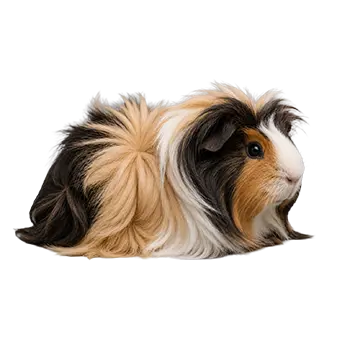
The Sheba Mini Yak's crowning feature is its long, tousled, rosetted coat, and maintaining it requires a dedicated grooming routine throughout adulthood. Unlike smooth-coated guinea pigs, the Sheba Mini Yak's fur is prone to tangling, matting, and collecting debris from bedding and hay. Plan on combing through the coat at least two to three times per week using a small, fine-toothed comb or a soft slicker brush designed for small animals.

Pay particular attention to the rear end, where the coat tends to accumulate the most soiling. Urine and fecal staining around the hindquarters can lead to skin irritation and attract flies in warm weather, a dangerous condition known as flystrike. Trim the hair around the rear short enough to stay clean, and spot-clean with a damp cloth as needed between full grooming sessions. Full baths should be rare and only performed when truly necessary, as frequent bathing strips the coat of natural oils and can chill the animal.

Male Sheba Mini Yaks have a grease gland located just above the base of the tail that can produce a buildup of waxy, oily secretion. This gland becomes more active in adult males and can cause the surrounding fur to become stiff, discolored, and smelly. Clean the grease gland area periodically with a small amount of coconut oil applied to the affected fur, allowed to sit for several minutes, then gently combed out and wiped clean.

Regular nail trimming every three to four weeks remains essential throughout adulthood. Overgrown nails can curl into the footpad, causing pain and infection. Use small animal nail clippers and trim just the tip, avoiding the quick. If the nails are dark and the quick is not visible, trim conservatively and more frequently. Keeping a styptic powder on hand provides peace of mind in case of an accidental nick.

Always consult a qualified professional before making any health-related decisions. This content is provided for informational reference only and should not replace professional guidance specific to your animal.