
Breeding Readiness

Before considering breeding your Sheba Mini Yak, a thorough evaluation of both potential parents is essential. The sow should be between four and twelve months of age for her first pregnancy. This window matters because the pubic symphysis, the cartilaginous joint connecting the pelvic bones, fuses permanently if a female guinea pig has not delivered pups before approximately ten to twelve months of age. A first pregnancy after this point carries a dramatically increased risk of dystocia, a life-threatening inability to deliver, which often requires emergency surgical intervention.

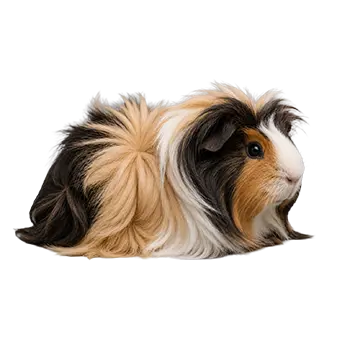
The boar should be at least four months old and in robust health, with a well-developed coat that displays the breed's characteristic tousled rosettes. Both parents should be free of hereditary conditions, parasites, respiratory infections, and dental abnormalities. A pre-breeding veterinary examination for both animals is strongly recommended to identify any health concerns that could complicate breeding or be passed to offspring.

Temperament is another important consideration. The Sheba Mini Yak is valued for its gentle, curious nature, and breeding should aim to preserve and strengthen these traits. Avoid breeding animals that display persistent aggression, extreme nervousness, or poor sociability, as these characteristics can be passed to pups both genetically and through early environmental exposure to a stressed mother.

Before breeding, you must also have a clear plan for the pups. Guinea pig litters typically range from one to six pups, with two to four being most common. Each pup will need a responsible, knowledgeable home or space in your own herd. Breeding without a placement plan contributes to the already significant population of guinea pigs in rescues and shelters. Responsible breeding always begins with a commitment to the welfare of every animal produced.

The Estrous Cycle

Female guinea pigs are polyestrous, meaning they cycle year-round without a seasonal pattern. The estrous cycle in guinea pigs lasts approximately 15 to 17 days, with the sow being receptive to the boar for a brief window of roughly 6 to 11 hours during estrus. Recognizing the signs of estrus helps breeders time introductions and confirm that mating has occurred.

During estrus, the sow may display increased activity, lordosis posturing when pressure is applied to her lower back, and a willingness to approach and accept the boar. She may also produce a distinctive purring vocalization and adopt a swaying gait known as rumblestrutting. Outside of estrus, a sow will typically reject the boar's advances, sometimes aggressively, which is why supervised introductions are preferable to simply housing the pair together and hoping for the best.

If mating is successful, the sow will not return to estrus, which can serve as an early indicator of pregnancy. However, guinea pig pregnancy can be subtle in the first few weeks, and weight monitoring combined with veterinary palpation after two to three weeks provides more reliable confirmation. Ultrasound imaging is available at many exotic animal practices and can confirm pregnancy and estimate litter size as early as two weeks after conception.

It is important to note that a sow enters a fertile postpartum estrus within hours of giving birth. If the boar is present during or immediately after delivery, he will mate with the sow, resulting in a back-to-back pregnancy. This places enormous physiological strain on the mother and is not recommended. Separate the boar from the sow before delivery or immediately after to prevent this.

Pregnancy & Gestation

The gestation period for guinea pigs is notably long compared to other small rodents, averaging 59 to 72 days depending on litter size. Smaller litters tend toward the longer end of this range, while larger litters often arrive somewhat earlier. During pregnancy, the sow's nutritional needs increase substantially, and providing optimal care during this period directly impacts the health of both mother and pups.

Increase the sow's vitamin C intake during pregnancy, as demand rises significantly. Offer additional servings of bell pepper, parsley, and other vitamin-C-rich vegetables daily. Alfalfa hay can be offered alongside timothy hay during pregnancy and nursing to provide the extra calcium and calories needed for fetal development and milk production. Ensure unlimited access to fresh water, as the pregnant sow's fluid requirements increase as well.

As the pregnancy progresses, the sow will become noticeably larger and heavier. By the final two weeks, you may be able to feel individual pups moving when you gently rest your hand on her side. Avoid picking her up unnecessarily during late pregnancy, and when handling is required, support her body fully with both hands. Dropping or squeezing a heavily pregnant sow can injure both the mother and her developing pups.

Monitor the sow closely for signs of pregnancy toxemia, a metabolic emergency that can occur in the final weeks of pregnancy, particularly in overweight or first-time mothers. Symptoms include lethargy, loss of appetite, labored breathing, and a sweet or acetone-like odor on the breath. Pregnancy toxemia is a veterinary emergency that requires immediate treatment. Maintaining a healthy body weight before breeding and ensuring consistent nutrition throughout pregnancy are the best preventive measures.

Delivery Preparation

As the expected delivery date approaches, prepare a quiet, clean, and secure nesting area for the sow. The enclosure should be on a single level with no ramps or elevated platforms that could pose a fall risk. Line the bottom with soft, absorbent bedding and provide at least two low-profile hiding spots where the sow can feel secure during labor. Remove cage mates other than established female companions, and always remove the boar before delivery to prevent postpartum mating.

Guinea pig deliveries are typically quick and uncomplicated. Labor often occurs in the early morning hours and may be completed before you are aware it has begun. Each pup is delivered in its amniotic sac, which the mother breaks open and consumes. She also chews the umbilical cord and cleans each pup before the next one arrives. The entire process for a litter of three or four pups usually takes 15 to 30 minutes.

Have the contact information for an exotic-animal emergency veterinarian readily available in case complications arise. Signs that require immediate professional help include active straining for more than 20 minutes without delivering a pup, a pup that is partially delivered but stuck, heavy bleeding, or a sow that becomes unresponsive during labor. Dystocia is the most serious delivery complication and can be fatal without prompt intervention.

After delivery, give the mother uninterrupted time to clean and nurse her pups. Count the pups to ensure none have been overlooked in the bedding, and confirm that each one is moving and breathing. Offer the mother fresh water, hay, and a favorite vegetable to encourage eating and rehydration. A healthy sow will begin nursing within the first hour, and the pups will be on their feet and exploring within minutes of birth.

Postpartum Care

The postpartum period is demanding for the sow, and attentive care during the first two weeks after delivery makes a significant difference in her recovery and the health of the litter. Continue providing alfalfa hay, increased vegetables, and unlimited timothy hay to support the caloric demands of milk production. A nursing sow can require two to three times her normal caloric intake, and any nutritional shortfall will be reflected in her body condition and the pups' growth rate.

Weigh the sow daily during the first week postpartum. Some weight loss immediately after delivery is expected, but a continued downward trend beyond the first few days may indicate insufficient nutrition, mastitis, or another complication. Check her mammary glands daily for swelling, heat, hardness, or discoloration, all of which can signal mastitis, an infection that requires prompt veterinary treatment with antibiotics and sometimes pain management.

Monitor the pups' weight gain and nursing behavior closely. Each pup should gain weight daily, and any pup that stalls or loses weight needs supplemental feeding and veterinary evaluation. Watch for the mother rejecting or ignoring a specific pup, which can occasionally occur, particularly with very large litters. A rejected pup will need to be hand-fed with a guinea-pig-safe milk replacement using a small syringe.

Remember to sex the pups accurately by two weeks of age and separate males from the mother and female siblings by three to four weeks. Guinea pig boars can impregnate their own mother and sisters at a surprisingly young age, and accidental inbreeding creates both genetic and welfare problems. If you are unsure about sexing, seek veterinary assistance during the first health check to avoid mistakes that lead to unplanned litters.

Responsible Breeding Ethics

Breeding Sheba Mini Yaks carries a genuine ethical responsibility that extends well beyond the mechanics of mating and delivery. The global population of guinea pigs in rescues, shelters, and foster networks is substantial, and every intentionally bred litter should serve a clear purpose: to preserve and improve the breed's health, temperament, and coat quality while ensuring every pup has a committed, knowledgeable home waiting for it.

Avoid breeding guinea pigs with known health issues, poor conformation, or temperament problems. Hereditary conditions such as dental malocclusion, predisposition to bladder stones, and skin disorders can be perpetuated or amplified through careless pairings. Study the breed standard for the Sheba Mini Yak, consult with experienced breeders, and prioritize the long-term welfare of the breed over short-term litter production.

Limit the number of litters a sow produces throughout her lifetime. Back-to-back pregnancies are physically taxing and shorten the mother's healthy lifespan. A responsible breeding schedule allows the sow to fully recover between pregnancies, with a minimum gap of several months between weaning one litter and conceiving the next. Many experienced breeders limit a sow to two or three litters over her lifetime to protect her long-term health.

Finally, be prepared for the unexpected. Not every pregnancy goes smoothly, and veterinary emergencies during breeding, pregnancy, or delivery can be costly and emotionally difficult. Set aside an emergency fund before breeding begins, and establish a relationship with a veterinarian experienced in guinea pig reproductive care. Responsible breeding is a commitment of time, resources, and emotional investment, and it should never be undertaken casually or for profit at the expense of animal welfare.

Always consult a qualified professional before making any health-related decisions. This content is provided for informational reference only and should not replace professional guidance specific to your animal.