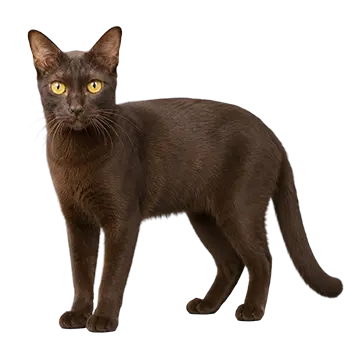

When Does Senior Begin?

The transition from adult to senior is gradual in the Suphalak cat, and there is no single day when your companion suddenly becomes old. Veterinary convention generally considers cats to be senior around the age of eleven, with the geriatric classification beginning around fifteen years. However, individual variation is significant, and a healthy, well-cared-for Suphalak may show few outward signs of aging well into its early teens, while another may begin to slow down somewhat earlier.

The changes that mark the onset of the senior years are often subtle at first. You may notice your Suphalak sleeping a bit more during the day, showing less enthusiasm for vigorous play, or hesitating before jumping to a favorite perch. The coat may lose some of its youthful luster, and the body may feel slightly less muscular than it did during the prime adult years. These gradual shifts are normal aspects of aging, but they also overlap with the early signs of treatable medical conditions, making veterinary monitoring increasingly important.

Recognizing the senior transition early allows you to adjust care proactively rather than reactively. Shifting from annual to biannual veterinary examinations is one of the most impactful changes you can make. More frequent check-ups allow your veterinarian to track trends in weight, bloodwork, and organ function over shorter intervals, catching deviations from baseline before they progress to clinical disease.

The Suphalak's close bond with its owner can be an advantage during the senior years, as owners who know their cat intimately are often the first to detect the subtle behavioral changes that signal emerging health issues. Trust your observations. If something feels different about your cat, even if you cannot articulate precisely what has changed, a veterinary visit is always worthwhile.

Mobility & Joint Health

Joint stiffness and reduced mobility are among the most common age-related changes in senior cats, though they are frequently underrecognized because cats compensate so effectively. A Suphalak that once leaped effortlessly to the top of a bookshelf may begin choosing lower perches, taking a longer route that involves smaller jumps, or simply spending more time on the floor. These behavioral adaptations mask discomfort and can easily be dismissed as simple preference changes rather than signs of joint pain.

Osteoarthritis affects a significant majority of cats over the age of twelve, and veterinary assessment is the only way to confirm the diagnosis and determine the most appropriate management approach. Your veterinarian may recommend joint-supportive supplements, anti-inflammatory medications, or other interventions based on the severity of the condition and your cat's overall health profile. Never administer pain medications designed for humans or dogs to your cat, as many of these are toxic to felines.

Environmental modifications can dramatically improve the quality of life for a senior Suphalak with mobility limitations. Provide ramps or pet stairs to favorite elevated spots, place litter boxes with low-entry sides on every floor of the home, and ensure food and water are easily accessible without requiring climbing or jumping. Orthopedic bedding that supports aging joints is a simple addition that many senior cats gravitate toward immediately.

Gentle play and light exercise remain beneficial for senior cats, as movement helps maintain muscle mass, joint flexibility, and a healthy weight. Adapt play sessions to your cat's current abilities, using ground-level toys rather than those requiring jumping or acrobatic maneuvers. Even brief daily sessions of gentle play contribute to physical maintenance and provide the mental engagement that the intelligent Suphalak breed continues to crave throughout its life.

Cognitive Changes

Cognitive dysfunction syndrome is a recognized condition in aging cats that parallels dementia in humans, and the Suphalak is not exempt from its effects. Signs may include disorientation in familiar surroundings, changes in sleep-wake cycles such as increased nighttime activity or vocalization, altered interactions with family members, house soiling in a previously fastidious cat, and increased anxiety or clinginess. These changes can develop gradually, making them easy to attribute to simple aging rather than a specific treatable condition.

If you observe cognitive changes in your senior Suphalak, discuss them with your veterinarian. Some symptoms that resemble cognitive decline are actually caused by treatable medical conditions such as hyperthyroidism, hypertension, kidney disease, or pain. A thorough medical workup helps rule out these underlying causes before a cognitive dysfunction diagnosis is considered. In some cases, treating an underlying medical issue resolves or significantly improves the behavioral changes.

Environmental enrichment remains valuable for senior cats experiencing cognitive changes, though the type and intensity should be adapted. Maintaining familiar routines provides a sense of security, while gentle sensory stimulation through varied textures, soft music, or the introduction of novel but non-threatening objects can help keep neural pathways active. Avoid major changes to the home environment, as disoriented cats may become more confused if furniture is rearranged or their usual pathways are altered.

Nighttime vocalization is one of the most distressing manifestations of cognitive change for both the cat and the household. A senior Suphalak that calls out in the dark may be experiencing confusion, anxiety, or simply seeking reassurance. A nightlight in the areas the cat frequents, along with a warm and comfortable sleeping spot near the owner's bedroom, can reduce nighttime distress. Your veterinarian can discuss additional options if nighttime symptoms are significantly affecting the cat's quality of life or the household's ability to sleep.

Nutrition for Aging

The nutritional needs of a senior Suphalak differ from those of a younger adult, and dietary adjustments can play a significant role in supporting health during the aging process. Senior-formulated cat foods typically feature moderate protein levels from highly digestible sources, adjusted phosphorus levels to support kidney function, added antioxidants to combat cellular aging, and supplemental omega fatty acids for coat quality and joint support.

Maintaining a healthy weight is critical during the senior years, though the challenge may shift from preventing obesity to preventing weight loss. Many older cats experience a gradual decline in their ability to digest and absorb nutrients, leading to muscle wasting and weight loss even if food intake remains stable. If your Suphalak is losing weight despite eating normally, a veterinary evaluation is warranted to investigate possible causes such as hyperthyroidism, diabetes, kidney disease, or gastrointestinal conditions.

Hydration becomes increasingly important as kidney function naturally declines with age. Encourage water intake through multiple fresh water sources placed throughout the home, water fountains that provide moving water, and an increased proportion of wet food in the diet. Some owners find success adding a small amount of warm water or low-sodium broth to dry food to increase moisture content. Monitor water intake and urine output, as significant changes in either can be early indicators of kidney disease or diabetes.

Appetite fluctuations are common in senior cats and may be influenced by dental pain, reduced sense of smell, gastrointestinal discomfort, or medication side effects. Warming food slightly to enhance its aroma, offering small frequent meals rather than two large ones, and experimenting with different textures can help maintain adequate caloric intake. If appetite loss persists for more than a day or two, consult your veterinarian, as prolonged fasting can trigger hepatic lipidosis, a serious liver condition, in cats.

Increased Veterinary Care

The frequency and scope of veterinary care should increase as your Suphalak enters the senior years. Biannual wellness examinations allow your veterinarian to monitor age-related changes more closely and intervene at earlier stages of disease. Each visit should include a comprehensive physical examination, blood pressure measurement, and a panel of blood work and urinalysis that establishes trends over time. Thyroid function testing becomes particularly important in older cats, as hyperthyroidism is one of the most common endocrine disorders in aging felines.

Kidney disease is another condition that disproportionately affects senior cats and is best managed when detected early through routine screening. Advances in veterinary diagnostics have made it possible to identify kidney changes at earlier stages than was previously possible, and early intervention with dietary management and supportive care can significantly slow disease progression and maintain quality of life. Your veterinarian can explain the specific markers that are monitored and what the results mean for your cat's care plan.

Dental disease continues to be a concern in the senior years, and some cats develop conditions such as tooth resorption that require extraction. Dental pain is a significant source of hidden suffering in older cats, and addressing it can produce dramatic improvements in appetite, behavior, and overall demeanor. Anesthetic risk for dental procedures does increase with age and underlying health conditions, but modern veterinary anesthesia protocols and monitoring equipment have made these procedures safer than ever for senior patients.

Maintain an open and ongoing dialogue with your veterinarian about your Suphalak's changing needs. As health conditions accumulate, the management plan becomes more complex, and it is important to understand the goals of each treatment, how different medications may interact, and what monitoring is needed to ensure that therapies are helping rather than causing additional problems. Your veterinarian is your partner in navigating the complexities of senior cat care, and clear communication in both directions produces the best outcomes.

Quality of Life Assessment

Evaluating quality of life is an ongoing responsibility that becomes more nuanced as your Suphalak ages and health challenges accumulate. Quality of life is not determined by a single factor but by the balance of many: comfort, appetite, mobility, social engagement, hygiene, and the ratio of good days to difficult ones. Periodic honest assessment of these factors helps ensure that your cat's daily experience remains positive and that medical interventions are serving the cat's wellbeing rather than simply extending time.

The Suphalak's characteristically close bond with its owner provides a unique window into quality of life. A Suphalak that continues to seek out companionship, purr during interactions, show interest in its environment, and maintain its personal grooming habits is generally experiencing a good quality of life. Withdrawal from social interaction, loss of interest in surroundings, cessation of grooming, and persistent reluctance to eat are signals that the balance may be shifting.

Several structured quality of life assessment tools exist to help owners move beyond intuition and evaluate their cat's wellbeing more objectively. These tools typically ask you to rate factors such as pain management, nutrition, hydration, hygiene, happiness, mobility, and the frequency of good days versus bad days on a numerical scale. Repeating the assessment at regular intervals helps track trends and can facilitate productive conversations with your veterinarian about the direction of care.

Quality of life assessment is not solely about identifying the endpoint. It is also a tool for optimizing the senior years by identifying areas where adjustments to care, environment, or medical management could improve your cat's daily experience. A low score in mobility, for example, might prompt a conversation about pain management options that could restore some of your Suphalak's comfort and willingness to engage with the household. Approaching these assessments with compassion and honesty ensures that every stage of your cat's senior years is supported with the best possible care.

Always consult a qualified professional before making any health-related decisions. This content is provided for informational reference only and should not replace professional guidance specific to your animal.