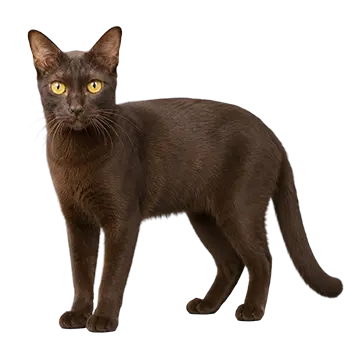

The Suphalak cat's deep bond with its owner often makes the end-of-life transition particularly poignant, and recognizing the signs that your companion is declining is the first step in providing the compassionate care this stage demands. Cats are instinctively skilled at masking pain and vulnerability, a survival trait that served their wild ancestors well but that can make it difficult for even attentive owners to gauge the true extent of suffering in a domestic companion.
Signs that a Suphalak may be entering the final phase of life include a persistent and progressive loss of appetite that does not respond to the usual enticements, significant and ongoing weight loss despite efforts to maintain nutrition, withdrawal from social interaction in a breed that is characteristically people-seeking, cessation of grooming, and a general air of disengagement from the household activities that once drew the cat's interest. A Suphalak that no longer greets its owner at the door or seeks out a lap is communicating something important through the absence of behaviors that defined its personality.
Physical signs may include labored or open-mouth breathing, persistent dehydration despite available water, incontinence or loss of litter box habits, difficulty walking or standing, and a noticeable drop in body temperature that leaves the extremities feeling cool to the touch. Some cats experience terminal restlessness, pacing or vocalizing in a way that suggests discomfort or confusion, while others become progressively more still and withdrawn.
It is important to distinguish between a treatable decline and an irreversible one. Some of the signs described above can also accompany conditions that respond to medical intervention, such as infections, pain that can be managed, or metabolic crises that can be stabilized. A veterinary evaluation is essential to determine whether the cat is experiencing a manageable setback or whether the trajectory has shifted beyond the reach of treatment. This assessment, combined with your intimate knowledge of your cat's normal behavior, forms the basis for the decisions that lie ahead.