
Peak Health Maintenance

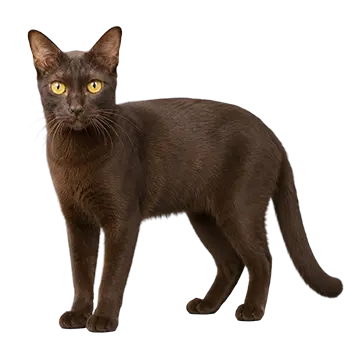
The adult Suphalak, typically reaching full maturity between one and two years of age, enters a period of peak physical condition that can last well into the middle years with proper care. This is the stage where the breed's defining characteristics are fully expressed: the luminous copper-brown coat lies smooth and close to the body, the musculature is lean and well-defined, and the temperament settles into the steady, devoted companionship for which the Suphalak is treasured.

Annual veterinary examinations form the foundation of preventive health care during the adult years. These visits should include a thorough physical examination, dental assessment, weight evaluation, and discussion of any behavioral changes observed at home. Blood work, urinalysis, and fecal testing on a schedule recommended by your veterinarian help detect emerging health issues before they become symptomatic, which is particularly important because cats are skilled at masking discomfort.

Parasite prevention remains relevant throughout adulthood, even for indoor-only Suphalak cats. Fleas, ticks, and intestinal parasites can enter the home on clothing, shoes, or other pets, and heartworm disease is transmitted by mosquitoes that readily find their way indoors. Your veterinarian can recommend a year-round preventive protocol appropriate for your region and your cat's lifestyle.

Vaccination boosters should follow the schedule established during kittenhood, with core vaccines administered at intervals determined by current veterinary guidelines. Non-core vaccines may be recommended based on risk factors specific to your cat's environment. Keep accurate vaccination records, as these are required for boarding, travel, and in some jurisdictions for licensing purposes.

Nutrition at Maturity

Transitioning your Suphalak from a kitten-formulated diet to an adult maintenance diet should occur around twelve months of age. The shift reflects the cat's reduced caloric needs now that active growth has concluded. Choose a high-quality adult cat food with a named animal protein as the primary ingredient, and look for formulas that provide balanced levels of taurine, omega fatty acids, and appropriate fiber content to support digestive health.

Portion control becomes increasingly important during the adult years. The Suphalak is an active breed, but its medium build means that even modest excess weight places disproportionate stress on the joints and cardiovascular system. Follow feeding guidelines on the food packaging as a starting point, then adjust based on your individual cat's body condition. You should be able to feel the ribs easily without pressing hard, and the waist should be visible when viewed from above.

The balance between wet and dry food is a matter of ongoing discussion among feline nutritionists, and both formats have their advantages. Wet food contributes to hydration and is generally more palatable, while dry food offers dental benefits through mechanical abrasion and is more convenient for measured feeding. Many owners find success with a combination approach, offering wet food at mealtimes and a measured portion of dry food for grazing or in puzzle feeders.

Monitor your Suphalak's eating habits closely, as changes in appetite are among the earliest indicators of illness in cats. A cat that suddenly refuses food, becomes excessively hungry, or begins showing interest in non-food items may be signaling a medical issue. Sudden dietary changes should be avoided; when switching foods, transition gradually over seven to ten days by mixing increasing proportions of the new food with the old.

Exercise & Fitness

Adult Suphalak cats retain a playful disposition well beyond the kitten phase, and daily exercise remains essential for maintaining physical health and mental wellbeing. Two interactive play sessions of fifteen to twenty minutes each provide a solid baseline of activity. Wand toys that simulate the erratic movement of prey are particularly effective at engaging the Suphalak's keen predatory instincts, and rotating through different toy types prevents boredom.

Environmental enrichment should evolve as the cat matures. Adult Suphalaks appreciate vertical spaces such as tall cat trees, wall-mounted shelves, and elevated walkways that allow them to survey their territory from above. Window perches positioned near bird feeders provide hours of stimulation with minimal effort on the owner's part. Puzzle feeders that require the cat to work for a portion of its daily food ration engage problem-solving skills and slow down cats that tend to eat too quickly.

The Suphalak's social nature means that companionship itself is a form of enrichment. Cats of this breed that are left alone for extended periods during the workday may benefit from a compatible feline companion, a selection of automated or self-directed toys, or a combination of both. Signs that a Suphalak is under-stimulated include excessive vocalization, over-grooming, destructive scratching, and attention-seeking behaviors that intensify when the owner returns home.

While encouraging activity, be attentive to any changes in your cat's willingness or ability to engage in exercise. A previously active Suphalak that becomes reluctant to jump, play, or climb may be experiencing pain from a dental issue, soft tissue injury, or early joint changes. Subtle shifts in activity level that develop gradually are easy to overlook but deserve veterinary attention.

Preventive Health Care

Preventive care during the adult years is about detecting problems early, when they are most treatable, and maintaining the routines that keep your Suphalak in optimal condition. Dental health is a major focus, as periodontal disease affects the majority of cats by the age of three and can lead to pain, tooth loss, and systemic health complications affecting the heart, kidneys, and liver. Annual dental examinations, and professional cleanings as recommended by your veterinarian, are essential components of a comprehensive health plan.

At-home dental care supplements professional cleanings. Daily tooth brushing with a feline-specific toothpaste is the gold standard, though not every cat tolerates it. Dental treats, water additives, and dental-specific diets can provide supplemental benefit, but they should not be considered substitutes for professional assessment. The Suphalak's amenable temperament makes it a better candidate for home dental care than many breeds, particularly if brushing was introduced during the juvenile period.

Urinary tract health warrants attention in all cats, and regular urinalysis can detect early signs of crystals, infection, or kidney changes before clinical symptoms emerge. Encourage adequate water intake through the use of water fountains, multiple water stations placed throughout the home, and the inclusion of wet food in the diet. Monitor litter box habits closely, as changes in urination frequency, volume, or the appearance of urine can signal urinary tract disease.

Skin and coat condition serve as visible indicators of overall health. The Suphalak's short, close-lying coat should appear glossy and smooth, with no patches of thinning, flaking, or excessive oiliness. Regular grooming sessions, even though the coat requires minimal maintenance, provide an opportunity to check for lumps, skin irritation, parasites, or wounds. Any changes in coat quality that cannot be attributed to seasonal shedding should be discussed with your veterinarian.

Behavioral Maturity

By the time a Suphalak reaches full adulthood, its personality is well established, and the characteristics that make this breed so distinctive are on full display. The adult Suphalak is typically a devoted, affectionate companion that forms an intensely close bond with one or two primary people in the household. This attachment is a defining feature of the breed, and it expresses itself through consistent proximity seeking, vocalizations directed at the owner, and a desire to participate in daily household activities.

The breed's intelligence means that the adult Suphalak requires ongoing mental stimulation to remain content. A cat that has mastered all the puzzle feeders and toys in the household may begin to create its own entertainment, sometimes in ways that are inconvenient for the owner. Regularly introducing new challenges, rotating enrichment items, and engaging in short training sessions for new tricks or behaviors keeps the Suphalak's active mind engaged and reduces the likelihood of boredom-driven misbehavior.

Separation anxiety can be a genuine concern in this breed, particularly for cats in single-person households or homes where the primary caregiver's schedule changes significantly. Signs include excessive vocalization when the owner prepares to leave, destructive behavior during absences, and inappropriate elimination. If separation anxiety develops, a gradual desensitization program combined with environmental enrichment and, in consultation with your veterinarian, possible behavioral support can help manage the issue.

Social dynamics within multi-cat households may shift as the Suphalak matures. Some individuals become more assertive about preferred resting spots, access to the owner's attention, or feeding order. These changes are normal as social hierarchies settle, but persistent conflict, resource guarding, or aggression requires intervention. Ensuring adequate resources for all cats in the household, including separate feeding stations, multiple litter boxes, and individual resting areas, reduces competition and promotes harmony.

Dental & Grooming

The Suphalak's short, sleek coat is one of its most practical features from a grooming perspective, requiring far less maintenance than the coats of long-haired breeds. A weekly brushing session with a soft rubber grooming mitt or a fine-toothed comb is generally sufficient to remove loose hair, distribute natural skin oils, and keep the coat looking its best. During seasonal shedding periods, typically in spring and fall, increasing brushing frequency to two or three times per week helps manage loose hair in the home.

Bathing is rarely necessary for a healthy Suphalak cat, as the breed's coat has a naturally low tendency to accumulate oils or odors. If a bath does become necessary due to a specific mess or skin treatment, use a gentle cat-specific shampoo and ensure the cat is thoroughly dried afterward, as even short-coated cats can become chilled when wet. The Suphalak's generally cooperative temperament makes bathing less of an ordeal than it is with many other breeds, especially if water exposure was introduced gently during kittenhood.

Nail trimming should be performed every two to three weeks, or as needed based on wear. Provide appropriate scratching surfaces to promote natural nail maintenance between trimmings, but do not rely on scratching alone to keep nails at a safe length. Overgrown nails can curve into the paw pads, causing pain and infection. If you are not comfortable trimming nails at home, your veterinarian or a professional groomer can perform this service.

Ear cleaning and eye care round out the grooming routine. Check the ears weekly for wax buildup, debris, or odor that could indicate infection. Clean only the visible portion of the ear with a veterinarian-recommended ear cleaning solution and a soft cotton ball. The eyes should be clear and bright, with no excessive tearing or discharge. A small amount of clear discharge at the inner corner of the eye is normal and can be gently wiped away with a damp cloth, but colored or persistent discharge warrants veterinary evaluation.

Always consult a qualified professional before making any health-related decisions. This content is provided for informational reference only and should not replace professional guidance specific to your animal.