
Growth & Physical Development

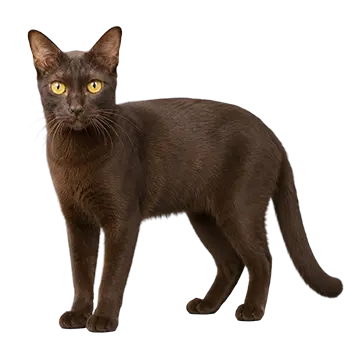
The juvenile phase of a Suphalak cat spans roughly from two months to about one year of age, during which the kitten undergoes a remarkable physical transformation. During these months, your Suphalak will progress from a plump, round-faced kitten into a sleek, muscular young cat displaying the breed's signature copper-brown coat and elegant build. Growth is most rapid between three and six months, with noticeable weekly changes in size, leg length, and overall body proportion.

Suphalak cats are a medium-sized breed, and their growth curve reflects this. Males tend to be slightly larger than females, but both sexes develop a well-muscled, compact frame without the extreme bulk seen in larger breeds. By six months, most Suphalak kittens have reached approximately sixty to seventy percent of their adult weight. The remaining growth occurs more gradually through the remainder of the first year, with the body filling out and the chest broadening subtly.

The coat undergoes its own development during this period. Kitten fur, which may appear slightly lighter or less uniform than the adult coat, gradually gives way to the characteristic rich, warm brown that defines the breed. The texture becomes smoother and more close-lying as the juvenile coat is replaced. Some Suphalak kittens may go through a slightly awkward phase where the coat appears uneven, but this is temporary and resolves as the adult coat fully comes in.

Regular weight monitoring remains important during the juvenile stage, though the frequency can be reduced from daily to weekly. Plot your kitten's weight on a growth chart to ensure a steady upward trajectory. Sudden plateaus or weight loss should prompt a veterinary consultation, as they may indicate parasitic infection, dental issues related to the transition from baby to adult teeth, or underlying metabolic problems.

Nutrition & Diet Transition

Nutritional needs shift significantly as your Suphalak kitten moves through the juvenile stage. The weaning process, which begins around four weeks of age, should be largely complete by eight weeks, with the kitten fully transitioned to solid food. Choose a high-quality kitten food that lists a named animal protein as the first ingredient, and ensure the formula meets the nutritional standards established by recognized pet nutrition authorities for growth and reproduction.

Feeding frequency should be adjusted as the kitten grows. From two to four months, offer four meals per day to support the high metabolic demands of rapid growth. Between four and six months, this can be reduced to three meals daily, and from six months onward, two meals per day is generally appropriate. Free-feeding dry kibble is an option for some households, but monitoring intake is more difficult with this approach, and the Suphalak's food-motivated nature may lead to overconsumption.

The transition from kitten food to adult food is not a concern during the juvenile period itself, as kitten-formulated diets should be maintained until the cat reaches approximately one year of age. However, this is the time to establish healthy eating habits and routines that will carry into adulthood. Offering a variety of textures, including both wet and dry food, helps prevent the finicky eating habits that can develop when a cat becomes accustomed to only one food type.

Fresh water should always be available, and many Suphalak cats show a preference for running water. A pet water fountain can encourage adequate hydration, which is particularly important for cats that eat primarily dry food. Avoid offering milk or dairy products, as most cats are lactose intolerant after weaning, and gastrointestinal upset is the likely result. Treats should make up no more than ten percent of the daily caloric intake to prevent nutritional imbalances.

Behavioral Changes

The juvenile and adolescent period brings a surge of personality in the Suphalak cat, and owners should be prepared for a household companion that is curious, vocal, and deeply attached. This breed is known for its strong desire to be near its people, and adolescent Suphalaks often follow their owners from room to room, vocalize to initiate interaction, and seek out laps and warm spots with single-minded determination. This attachment is endearing but also means the breed is more susceptible to separation anxiety than many other cats.

Play behavior reaches its peak intensity during this stage. Suphalak kittens are athletic and inventive, engaging in vigorous chasing, pouncing, climbing, and mock-fighting with littermates or household companions. This play serves critical developmental functions, refining motor skills, building muscle tone, and establishing social boundaries. Kittens that play too roughly with human hands or feet should be redirected to appropriate toys rather than punished, as rough play is a normal expression of predatory instincts that simply needs a suitable outlet.

Territory marking behaviors may emerge during adolescence, particularly in intact males. Spraying, scratching on vertical surfaces, and increased assertiveness around resources are all natural but manageable behaviors. Even cats destined for early spaying or neutering may briefly exhibit these tendencies as hormonal changes begin. Environmental enrichment, including vertical spaces, scratching posts, and interactive toys, channels these instincts productively.

Some Suphalak kittens go through a testing phase around five to eight months, pushing boundaries and seeming to forget previously learned household rules. This is analogous to adolescent behavior in many species and is not a sign of a behavioral problem. Patience, consistency, and positive reinforcement will carry you through this period, and most Suphalaks emerge from adolescence as well-mannered, deeply bonded companions.

Training Priorities

Suphalak cats are intelligent and responsive to training, making the juvenile period an ideal time to establish the behaviors and routines that will define your shared life. Litter box training is usually instinctive for kittens raised with a queen who models the behavior, but it is worth ensuring that the box is easily accessible, kept scrupulously clean, and placed in a quiet location where the kitten feels safe. Providing one litter box per cat plus one additional box is a general guideline that helps prevent elimination issues.

Scratch training is another priority. Offer a variety of scratching surfaces, including vertical posts and horizontal pads, made from materials such as sisal, cardboard, and carpet. Place them near areas where the kitten naturally tends to scratch, and reward usage with praise or a small treat. If the kitten scratches furniture, calmly redirect to the nearest appropriate surface rather than using punishment, which can create fear and damage the trusting relationship that the Suphalak breed values so highly.

Carrier training and handling desensitization pay enormous dividends over a cat's lifetime. Leave the carrier out in the living space with a soft blanket inside so the kitten learns to view it as a safe resting spot rather than a harbinger of stressful events. Practice brief sessions of holding the kitten in positions used during veterinary exams, touching paws, opening the mouth gently, and looking in the ears, rewarding calm acceptance with a small treat or affection.

The Suphalak's intelligence and desire to please make it an excellent candidate for clicker training and even simple tricks such as sitting, offering a paw, or coming when called. These training activities provide mental stimulation that is just as important as physical exercise for this engaged and curious breed. Short, positive sessions of five to ten minutes are most effective, and ending on a successful note keeps motivation high.

Exercise & Activity

Juvenile Suphalak cats possess abundant energy that requires daily outlets to prevent boredom and the destructive behaviors that accompany it. Interactive play sessions using wand toys, feather lures, or laser pointers should occur at least twice daily, with each session lasting fifteen to twenty minutes or until the kitten shows signs of tiring. These sessions mimic the hunt-catch-kill-eat cycle that satisfies feline predatory instincts, and following play with a meal reinforces this natural sequence.

Environmental enrichment extends the benefits of structured play into the hours when you are not actively engaging with the kitten. Cat trees with multiple levels, window perches for bird watching, tunnel toys, and puzzle feeders all contribute to a stimulating environment that keeps an inquisitive Suphalak occupied. Rotating toys on a weekly basis prevents habituation and maintains the novelty factor that drives engagement.

Social play with other cats or cat-friendly pets in the household provides exercise and socialization simultaneously. Suphalak cats generally enjoy the company of other animals, and a well-matched feline companion can be an invaluable source of daily activity and mental stimulation. If introducing a new companion, do so gradually using scent-swapping and controlled visual introductions to establish a positive relationship from the start.

While encouraging activity, also be mindful of the physical limitations of a growing body. Juvenile cats should not be encouraged to make extreme jumps from high surfaces, as their skeletal system is still developing and growth plates remain open. Provide intermediate surfaces that allow climbing and descending in manageable increments rather than requiring dramatic leaps that could stress developing joints.

Spay/Neuter Considerations

The decision about when to spay or neuter a Suphalak cat is one that should involve a thoughtful conversation with your veterinarian. Early spaying or neutering, typically performed between four and six months of age, is widely recommended for cats not intended for a responsible breeding program. The procedure eliminates the risk of unplanned litters, reduces the incidence of certain reproductive cancers, and generally mitigates hormonally driven behaviors such as spraying, roaming, and vocalization during heat cycles.

Suphalak females can experience their first heat cycle as early as five months of age, and the breed's vocal nature means that a queen in heat can produce remarkably persistent and loud calling behavior. This is stressful for both the cat and the household, and it underscores the practical advantages of spaying before the first cycle if breeding is not planned. Males may begin spraying urine to mark territory around the same age, and early neutering significantly reduces the likelihood that this behavior becomes established.

Discuss the specific timing with your veterinarian based on your individual kitten's development and health status. Some veterinary practices recommend waiting until the kitten has reached a certain weight threshold, while others prefer to schedule the procedure at a specific age. Both approaches have their merits, and the best choice depends on factors unique to your kitten.

Post-surgical care is straightforward but requires vigilance. Restrict activity for the recovery period recommended by your veterinarian, monitor the incision site for swelling or discharge, and use an Elizabethan collar or surgical recovery suit to prevent the kitten from licking the wound. Most Suphalak kittens bounce back quickly from the procedure, often showing normal energy levels within a day or two, which makes activity restriction the most challenging aspect of recovery for owners of this lively breed.

Socialization & Exposure

The socialization window for cats is most sensitive between two and seven weeks of age, but meaningful socialization continues throughout the juvenile period and should not be neglected once the kitten arrives in its new home. Suphalak cats are naturally sociable and people-oriented, but this genetic predisposition must be supported by positive experiences to fully develop. A kitten that is isolated during the juvenile period may become fearful or anxious despite the breed's inherent friendliness.

Introduce your Suphalak kitten to a wide variety of people, including men, women, children, and visitors of different ages and appearances. Each introduction should be calm and positive, with the kitten allowed to approach at its own pace. Offering treats during these encounters builds positive associations and teaches the kitten that new people are a source of good things. Avoid forcing interactions, as a single frightening experience during this impressionable period can create lasting wariness.

Exposure to household sounds and activities is equally important. Run the vacuum cleaner, dishwasher, and other appliances while the kitten is in the home, starting at lower volumes or greater distances and gradually working closer as the kitten demonstrates comfort. Car rides, carrier travel, and visits to the veterinary clinic for positive, non-treatment visits all help build a resilient cat that handles novel experiences with the calm confidence the Suphalak breed is prized for.

If your household includes other pets, the juvenile period is generally the most adaptable time for introductions. Suphalak kittens tend to be open to forming relationships with other cats, and many coexist peacefully with cat-friendly dogs as well. Manage introductions carefully with separate spaces, scent exchange, and supervised meetings, gradually increasing access as both animals demonstrate comfort. A well-socialized Suphalak that has been thoughtfully introduced to the full range of household experiences will grow into a confident, adaptable adult.

Always consult a qualified professional before making any health-related decisions. This content is provided for informational reference only and should not replace professional guidance specific to your animal.