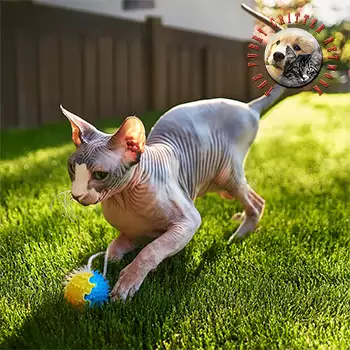

Determining exactly when a Sphynx cat transitions into the senior life stage is not an exact science, as aging is a gradual process influenced by genetics, overall health history, and the quality of care the cat has received throughout its life. Most veterinary professionals consider cats to enter the senior category around ten to twelve years of age, though some Sphynx cats may show signs of aging earlier, particularly if they carry breed-related health conditions such as hypertrophic cardiomyopathy.
The physical indicators of aging in a Sphynx are often subtle at first. A slight decrease in activity level, longer recovery times after vigorous play, and a preference for warmer resting spots may be among the earliest noticeable changes. Because the Sphynx is hairless, some physical signs of aging that are masked by fur in other breeds become visible sooner. The skin may lose some of its elasticity, wrinkles may deepen, and pigmentation changes can become more pronounced.
Behavioral shifts also serve as markers of the transition into the senior years. A Sphynx that once demanded constant play may begin to favor shorter, less intense activity sessions. Sleep patterns may change, with the cat sleeping more during the day and occasionally becoming restless at night. These changes are normal to a degree, but sudden or dramatic shifts in behavior warrant veterinary evaluation to rule out underlying health issues.
Recognizing the onset of senior status is important because it signals the need for adjustments in care, diet, veterinary monitoring, and environmental accommodations. Rather than viewing aging as a decline, it is more productive to approach the senior years as a stage that requires thoughtful adaptation to ensure your Sphynx continues to enjoy a comfortable, fulfilling life.