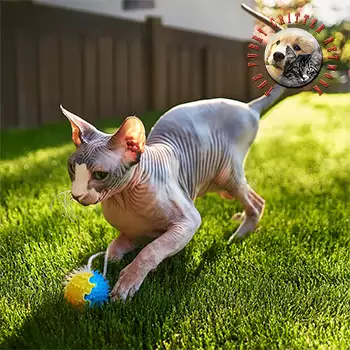

Peak Health Maintenance

A Sphynx cat reaches full physical maturity between one and two years of age, entering a prime period that typically extends through age eight or nine. During these years, the foundation of care established in kittenhood pays dividends, and the primary focus shifts from development to maintenance. A healthy adult Sphynx is a muscular, energetic, and remarkably social companion that thrives on routine, attention, and proactive health management.

Annual veterinary wellness examinations are the cornerstone of preventive care for an adult Sphynx. These visits should include a thorough physical examination, dental assessment, and baseline blood work. Because hypertrophic cardiomyopathy is a known breed predisposition, discussing a cardiac screening schedule with your veterinarian is strongly recommended. Echocardiograms performed at regular intervals can detect early changes in heart muscle thickness before clinical signs appear, providing the best opportunity for management.

Skin health requires ongoing attention throughout adulthood. The Sphynx produces body oils like any cat, but without fur to absorb them, these oils accumulate on the skin and can clog pores if not addressed. A regular bathing routine, typically every one to two weeks depending on the individual, keeps the skin clean and healthy. Use a gentle, fragrance-free cleanser formulated for cats, and be sure to rinse thoroughly to avoid residue that could cause irritation.

Vaccination boosters, parasite prevention, and weight monitoring should continue on the schedule established by your veterinarian. An adult Sphynx in peak condition typically weighs between six and twelve pounds, with males tending toward the higher end. Maintaining an ideal body condition score prevents the strain on joints, organs, and metabolism that excess weight creates, particularly in a breed already working harder to regulate body temperature.

Nutrition at Maturity

Feeding an adult Sphynx requires balancing their elevated caloric needs against the risk of overfeeding. The breed's higher metabolism means they genuinely require more fuel than a similarly sized cat with a full coat, but the difference is not unlimited. A high-quality, protein-forward cat food that lists a named animal protein as the first ingredient provides the essential amino acids, fatty acids, and nutrients an adult Sphynx needs to maintain lean muscle mass and healthy skin.

Most adult Sphynx cats do well on two measured meals per day, though some individuals with particularly high activity levels may benefit from a third smaller meal or the addition of a puzzle feeder with a portion of their daily ration. Measuring food precisely rather than estimating prevents the gradual caloric creep that leads to weight gain over months and years. Your veterinarian can help you calculate an appropriate daily caloric target based on your cat's weight, body condition, and activity level.

Wet food, dry food, or a combination of both can all be appropriate, and each format has its advantages. Wet food provides additional hydration, which supports urinary tract health, while dry food can benefit dental health through mechanical abrasion. Many Sphynx owners find that a rotation of both types keeps their cat engaged at mealtimes and provides a broader nutritional profile.

Skin and coat supplements containing omega-3 and omega-6 fatty acids are sometimes recommended for Sphynx cats to support skin suppleness and reduce excessive oil production. Fish oil is a common source, though it should be introduced gradually and at a dosage appropriate for cats. Consult your veterinarian before adding any supplement to ensure it does not interfere with your cat's existing diet or any medications.

Exercise & Fitness

Adult Sphynx cats retain much of the playful energy that characterizes their kittenhood, and regular physical activity remains essential for both physical and mental health. A sedentary Sphynx is a bored Sphynx, and boredom in this breed frequently manifests as destructive behavior, excessive vocalization, or attention-seeking antics. Committing to daily interactive play sessions of at least 20 to 30 minutes keeps your cat fit, mentally stimulated, and emotionally satisfied.

The best exercise for a Sphynx mimics natural feline behaviors. Chasing, stalking, pouncing, and climbing are all instinctive activities that provide full-body engagement. Wand toys that simulate the erratic movement of prey are perennial favorites, while battery-operated toys that move unpredictably can provide entertainment during times when direct human interaction is not possible. Rotating the selection regularly prevents habituation.

Environmental enrichment is just as important as structured play. Cat trees with multiple levels, window perches for bird watching, tunnels, and elevated walkways all provide opportunities for spontaneous activity throughout the day. Sphynx cats are particularly fond of warm, elevated spots where they can survey their domain, so positioning perches near sunny windows or heat sources encourages use. Be mindful of direct sunlight exposure, however, as their unprotected skin can burn through window glass during extended sessions.

Some Sphynx cats take readily to harness walking and can enjoy supervised exploration of enclosed outdoor spaces. This provides novel sensory stimulation that is difficult to replicate indoors. If your cat is harness trained, brief outdoor sessions in mild weather offer both exercise and enrichment. Always check that the ground surface is not too hot or cold for bare paw pads, and avoid peak sun hours to protect exposed skin.

Preventive Health Care

Preventive care for an adult Sphynx extends well beyond annual veterinary visits. At home, establishing a weekly health check routine helps catch emerging issues before they become serious. Run your hands over the entire body, feeling for lumps, bumps, tender areas, or skin changes. Check the ears for excessive wax buildup or dark discharge that might indicate ear mites or infection. Inspect the nails, eyes, and teeth, noting anything that appears different from the normal baseline.

Ear care is a particularly significant consideration for the Sphynx breed. Without the fine hairs that line the ear canals of coated cats, Sphynx ears accumulate wax and debris more readily. Weekly cleaning with a veterinarian-approved ear cleaner and a soft cotton pad keeps the ears healthy and reduces the risk of infection. Never insert cotton swabs into the ear canal, as this can push debris deeper and cause injury.

Nail care should occur every one to two weeks. Like ear wax, the oils that accumulate on a Sphynx's skin also collect around the nail beds, creating a brownish buildup that can harbor bacteria if neglected. Trimming nails regularly and gently cleaning the nail beds during bath time prevents this accumulation and keeps the paws healthy.

Parasite prevention remains important even for exclusively indoor Sphynx cats. Fleas, ticks, and intestinal parasites can enter the home on other pets, on clothing, or through open doors and windows. Monthly preventive treatments as recommended by your veterinarian provide consistent protection. Additionally, keeping litter boxes meticulously clean reduces exposure to parasites and supports the fastidious hygiene preferences common to this breed.

Behavioral Maturity

As the Sphynx transitions from adolescence into full adulthood, many of the more challenging juvenile behaviors moderate naturally. The relentless counter-surfing, curtain-climbing, and midnight zoomies that characterized kittenhood typically diminish in frequency, replaced by a calmer but still enthusiastic engagement with daily life. An adult Sphynx remains one of the most interactive and people-oriented cat breeds, often following family members from room to room and inserting itself into every household activity.

The deep social bonding that defines the Sphynx temperament solidifies during adulthood. These cats form intense attachments to their human companions and often extend genuine warmth to visitors and strangers as well. This sociability is one of the breed's most cherished traits, but it also means that prolonged isolation or insufficient social interaction can lead to stress, depression, and behavioral issues. Sphynx cats are not well suited to households where they will be left alone for extended periods without companionship, whether human or feline.

Territorial behaviors, if present, tend to stabilize during adulthood in neutered or spayed individuals. Most adult Sphynx cats coexist peacefully with other pets, though individual personality plays a significant role. Introducing new animals into an established Sphynx's territory should still be done gradually and with care, even though the breed is generally more accepting than many others.

Mental stimulation remains a priority throughout the adult years. Puzzle feeders, training sessions using clicker methods, and novel toys prevent cognitive stagnation. Many Sphynx cats enjoy learning new tricks well into adulthood and will eagerly participate in training sessions that incorporate food rewards and praise. Keeping the mind active contributes to overall well-being and strengthens the bond between cat and caregiver.

Skin Care & Grooming

Grooming a Sphynx cat is a fundamentally different experience than grooming a coated breed, and it is one of the most important aspects of ownership to understand thoroughly. Without fur to wick away body oils, the Sphynx's skin develops a visible oily residue that requires regular bathing. Most owners find that a bath every one to two weeks strikes the right balance between cleanliness and avoiding over-washing, which can strip the skin of necessary moisture and trigger compensatory oil overproduction.

Bath time should be a calm, positive experience. Use lukewarm water and a mild, cat-safe cleanser, paying particular attention to the folds of skin around the neck, armpits, and belly where oils and debris tend to accumulate. The wrinkled skin that gives the Sphynx its distinctive appearance can trap moisture and bacteria if not cleaned and dried properly. After bathing, pat the skin dry thoroughly with a soft towel rather than rubbing, which can cause irritation.

Between baths, many Sphynx owners use gentle, fragrance-free pet wipes to maintain skin cleanliness, particularly in the areas most prone to oil accumulation. This is especially useful during warmer months when oil production may increase. Monitoring the skin for rashes, bumps, blackheads, or areas of unusual redness provides early warning of potential dermatological issues that warrant veterinary attention.

Sun protection is a year-round consideration for Sphynx cats, even those that live exclusively indoors. Extended exposure to direct sunlight through windows can cause sunburn and increases the long-term risk of skin damage. Providing shaded resting spots and limiting access to sun-drenched areas during peak hours helps protect the skin. If your veterinarian recommends a pet-safe sunscreen for specific situations, apply it only as directed and ensure it is formulated specifically for cats, as many human sunscreen ingredients are toxic to felines.

Always consult a qualified professional before making any health-related decisions. This content is provided for informational reference only and should not replace professional guidance specific to your animal.