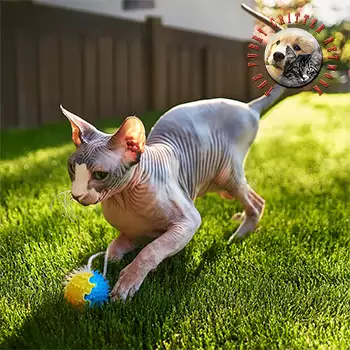

Growth & Physical Development

The juvenile period for a Sphynx cat spans roughly from three months to around one year of age, during which the kitten undergoes dramatic physical transformation. Growth rates vary between individuals, but most Sphynx kittens experience their most rapid weight gain between four and eight months. By the end of this stage, many will have reached close to their adult frame size, though they may continue to fill out and add muscle mass well into their second year.

Because the Sphynx is a hairless breed, physical changes during adolescence are especially visible. The characteristic wrinkles deepen and shift as the kitten's body lengthens and its musculature develops. The skin may change in pigmentation as the cat matures, with some individuals developing more pronounced spots or color shifts. Ear size, one of the breed's most distinctive features, often appears disproportionately large during adolescence before the head and body catch up in proportion.

Bone density and joint development are actively progressing throughout this stage, making nutrition and appropriate activity levels critically important. Overfeeding can lead to excess weight that stresses developing joints, while underfeeding can result in insufficient skeletal growth. Regular weigh-ins every two to four weeks help track whether the kitten is following a healthy growth trajectory. Your veterinarian can compare your kitten's progress against breed-appropriate growth benchmarks.

Dental development is another hallmark of this period. Sphynx kittens begin losing their baby teeth around three to four months of age, with the full set of adult teeth typically in place by six to seven months. Some kittens experience mild discomfort during teething and may chew on objects more than usual. Providing appropriate chew toys can help redirect this behavior away from household items.

Nutrition & Diet Transition

Juvenile Sphynx cats have notably higher caloric requirements than many other breeds of similar size. Their lack of an insulating fur coat means they burn additional calories simply maintaining body temperature, and this increased metabolic demand is compounded by the energy requirements of rapid growth. A high-quality, protein-rich kitten food formulated for active breeds is an excellent foundation for meeting these nutritional needs.

Feeding frequency during the juvenile period should reflect the kitten's age and appetite. From three to six months, three to four meals per day is generally appropriate, transitioning to two to three meals daily from six months onward. Free-feeding, or leaving food available at all times, can work for some Sphynx kittens given their high metabolism, but it should be monitored carefully to prevent overeating in individuals prone to weight gain.

The transition from kitten food to adult food should not be rushed. Most veterinarians recommend keeping Sphynx cats on a kitten-formulated diet until they are approximately twelve months of age, as the higher protein and fat content supports ongoing development. When the time comes to switch, the transition should occur gradually over seven to ten days, mixing increasing proportions of the new food with the old to minimize digestive upset.

Fresh water should be available at all times, and some Sphynx cats show a preference for running water from a pet fountain. Adequate hydration supports kidney function, skin health, and digestion. Avoid feeding table scraps or foods that are toxic to cats, including onions, garlic, chocolate, grapes, and anything containing xylitol. If you have questions about specific dietary supplements or specialty diets, consult your veterinarian for guidance tailored to your kitten's individual needs.

Behavioral Changes

Adolescence in the Sphynx is a period of boundless energy, curiosity, and occasionally exasperating behavior. These cats are naturally extroverted and playful, and the juvenile stage amplifies these tendencies considerably. Expect a Sphynx kitten in this phase to climb everything within reach, investigate every cupboard and drawer, and demand interactive engagement from their human companions on a near-constant basis.

Boundary testing is a normal part of feline adolescence. A Sphynx kitten that previously respected household rules may suddenly begin jumping on countertops, scratching furniture, or engaging in ambush play with household members. These behaviors are not signs of a bad temperament but rather the natural expression of a highly intelligent and energetic breed exploring the limits of its environment. Consistent, patient redirection is far more effective than punishment, which can damage the bond of trust between cat and caregiver.

Social dynamics may also shift during this period, particularly in multi-pet households. A juvenile Sphynx may begin to assert itself more confidently with other animals, testing hierarchies and initiating play that can sometimes be perceived as aggression by older or more reserved pets. Monitoring interactions and ensuring each animal has personal space and resources reduces the likelihood of genuine conflict.

Separation anxiety can emerge during adolescence, especially in Sphynx cats that have formed intense attachments to a primary caregiver. Signs include excessive vocalization when left alone, destructive behavior, and inappropriate elimination. Gradually acclimating the kitten to short periods of separation, providing enrichment toys, and ensuring they have a comfortable space can help manage anxiety. In multi-person households, encouraging the kitten to bond with more than one family member distributes the attachment more broadly.

Training Priorities

The Sphynx breed's intelligence and desire for human interaction make juvenile cats highly receptive to training. Positive reinforcement methods work exceptionally well with this breed, as they are strongly food-motivated and eager to please. Starting with basic commands and routines during adolescence establishes a framework for a well-mannered adult cat and channels their considerable energy into constructive activities.

Litter box habits should be well established by the juvenile stage, but reinforcement and consistency remain important. Ensure the litter box is kept scrupulously clean, as Sphynx cats can be particular about hygiene. If litter box avoidance occurs, investigate potential causes such as a dirty box, an unfavorable litter substrate, a location that feels too exposed, or an underlying medical issue before assuming it is a behavioral problem.

Clicker training is an excellent tool for juvenile Sphynx cats and can be used to teach tricks, reinforce desired behaviors, and provide mental stimulation. Many Sphynx cats can learn to sit, come when called, high-five, and even walk on a harness with patient, consistent training sessions. Keeping sessions short, around five to ten minutes, and ending on a positive note maintains the kitten's enthusiasm and prevents frustration.

Perhaps the most important training priority for a juvenile Sphynx is acclimation to regular handling and grooming routines. Because this breed requires frequent skin care, ear cleaning, and nail trimming throughout its life, teaching the kitten to accept and even enjoy these procedures during adolescence prevents stress and struggle later. Practice gentle restraint, touch paws and ears frequently, and pair grooming sessions with treats and praise to build positive associations.

Exercise & Activity

Juvenile Sphynx cats possess a remarkable amount of energy and require ample opportunities for physical activity and mental engagement. Unlike some breeds that are content to lounge for much of the day, an adolescent Sphynx that lacks stimulation will create its own entertainment, often at the expense of furniture, curtains, and household objects. Structured playtime of at least 30 to 45 minutes per day, broken into multiple sessions, is a reasonable baseline.

Interactive toys that mimic prey behavior, such as feather wands, laser pointers, and small balls, tap into the Sphynx's natural hunting instincts and provide vigorous physical exercise. Puzzle feeders and treat-dispensing toys add a cognitive dimension that satisfies their intellectual curiosity. Rotating toys regularly prevents boredom, as even the most engaging toy loses its appeal if it is always available.

Vertical space is particularly important for this breed. Cat trees, wall-mounted shelves, and perches near windows give Sphynx cats the climbing and observation opportunities they crave. Because they are hairless and may be sensitive to rough surfaces, choosing cat furniture with soft or padded surfaces is a thoughtful consideration that encourages use without causing skin irritation.

While Sphynx cats are indoor cats by necessity due to their vulnerability to sunburn, cold, and environmental hazards, some individuals enjoy supervised outdoor time in a secure enclosure or on a harness. Harness training is best started during the juvenile period when the cat is most adaptable to new experiences. Always supervise outdoor excursions and avoid prolonged sun exposure, as the Sphynx's unprotected skin is susceptible to ultraviolet damage.

Spay/Neuter Considerations

The decision of when to spay or neuter a Sphynx cat is one that should be made in consultation with your veterinarian, taking into account the individual kitten's health, growth, and your long-term plans. Many veterinarians recommend spaying or neutering between four and six months of age, before the onset of sexual maturity, which typically occurs around five to nine months in cats. Early spay/neuter has been shown to reduce the risk of certain reproductive cancers and eliminates the behavioral complications associated with intact status.

Intact male Sphynx cats may begin spraying urine to mark territory as they reach sexual maturity, a behavior that is pungent, persistent, and much easier to prevent than to correct after it has become established. Intact females will cycle into heat, which in Sphynx cats is often accompanied by loud, persistent vocalization and restlessness. Spaying eliminates heat cycles and the associated behavioral disruption entirely.

Some breeders and veterinarians advocate for delaying the procedure slightly in certain cases to allow for additional physical development, particularly in breeds prone to joint or skeletal concerns. Current veterinary research continues to refine our understanding of the optimal timing, and there is no single answer that applies to every cat. Discussing the specific risks and benefits for your Sphynx with a veterinarian who is familiar with the breed ensures the most informed decision.

Post-surgical care for a spayed or neutered Sphynx requires particular attention to the incision site. Without fur to protect the area, the hairless skin may be more prone to irritation from recovery suits or cones. Your veterinarian can recommend the most comfortable protective option to prevent the kitten from licking or scratching the incision while it heals, which typically takes ten to fourteen days.

Socialization & Exposure

Continued socialization throughout the juvenile period is essential for producing a confident, well-adjusted adult Sphynx. While the primary socialization window occurs between two and seven weeks of age, the experiences a kitten has during the subsequent months significantly reinforce or erode the foundation laid during that early period. A Sphynx that is exposed to a variety of people, environments, and stimuli during adolescence is far more likely to be a relaxed and adaptable companion.

Introduce the juvenile Sphynx to visitors of different ages, appearances, and energy levels in controlled, positive settings. Encourage gentle handling by guests and pair these interactions with treats or play to create positive associations. Sphynx cats are naturally sociable and often enjoy meeting new people, but each kitten is an individual, and some may need more gradual introductions than others.

Exposure to common household sounds and experiences is equally valuable. Running the vacuum cleaner, playing music, operating kitchen appliances, and having the television on at various volumes all contribute to a kitten's auditory resilience. Car rides in a secure carrier, visits to the veterinary office for positive-only experiences such as being weighed and receiving treats, and gentle exposure to grooming tools build comfort with situations the cat will encounter throughout its life.

If you plan to introduce the Sphynx to other animals, the juvenile period is an opportune time, as kittens are generally more adaptable and less territorial than adults. Introductions should be gradual, supervised, and conducted through a barrier such as a closed door or baby gate before progressing to face-to-face contact. Allow each animal to set the pace, and never force interactions. With patience, most Sphynx cats integrate well into multi-pet households, often becoming the social glue that bridges relationships between more reserved animals.

Always consult a qualified professional before making any health-related decisions. This content is provided for informational reference only and should not replace professional guidance specific to your animal.