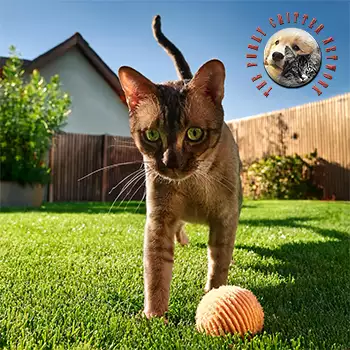

The Sokoke enters its juvenile phase around two months of age and continues through approximately one year, during which time the kitten undergoes remarkable physical transformation. During this period, the lean and athletic body type characteristic of the breed begins to emerge. The legs lengthen relative to the body, and the muscular definition that distinguishes the Sokoke from many other domestic breeds becomes increasingly apparent. You can expect your Sokoke to reach its full adult size by around 12 to 14 months, though some individuals continue filling out slightly beyond that.
Weight gain during the juvenile stage should be steady and proportional. A healthy Sokoke kitten typically gains weight consistently each week, and you should monitor this with regular weigh-ins at least twice monthly. The breed tends toward a lean, athletic build, so a Sokoke in good condition will appear fit and muscular rather than round. If your kitten seems excessively thin or is not gaining weight as expected, consult your veterinarian to rule out parasites, nutritional deficiencies, or underlying health concerns.
The Sokoke's distinctive modified classic tabby coat pattern becomes more defined during the juvenile stage. The characteristic wood-grain or marbled markings darken and sharpen as the kitten matures, and the warm brown base color deepens. The coat itself remains short and close-lying with minimal undercoat, a trait inherited from the breed's origins in the coastal forests of Kenya. This low-maintenance coat requires little grooming but does benefit from occasional brushing to remove loose hair and distribute natural oils.
Dental development is a significant aspect of this phase. The deciduous (baby) teeth give way to permanent adult teeth between three and six months of age. During this transition, kittens may chew more aggressively on toys and household objects. Providing appropriate chew toys helps satisfy this urge and protects your belongings while supporting healthy dental development.