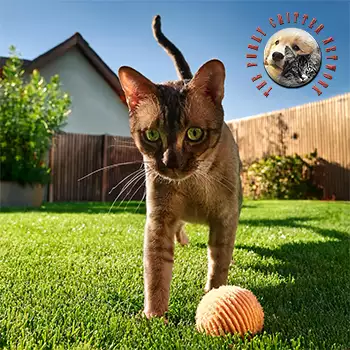

Recognizing that your Sokoke is approaching the end of its life is one of the most difficult tasks any pet owner faces. The signs are often gradual and can be masked by the cat's instinct to conceal vulnerability. For a breed as social and expressive as the Sokoke, changes in behavior are frequently the earliest and most reliable indicators. A Sokoke that withdraws from family interaction, stops greeting you at the door, or loses interest in activities that once brought joy is communicating something important.
Physical signs of decline may include a sustained loss of appetite that does not respond to dietary changes or appetite stimulants, progressive weight loss and muscle wasting, difficulty breathing, persistent vomiting or diarrhea, and an inability or unwillingness to groom. The Sokoke's short coat makes physical changes relatively visible. A coat that becomes dull, unkempt, or matted in a breed that normally maintains itself fastidiously signals that the cat no longer has the energy or flexibility for self-care.
Changes in mobility may accelerate, with the cat spending increasing amounts of time in one spot and showing reluctance or inability to move to the litter box, food, or water. Some cats begin eliminating outside the litter box simply because they can no longer reach it in time or navigate the entry. This should be understood as a physical limitation rather than a behavioral problem, and the appropriate response is to bring essential resources closer to the cat's chosen resting area.
It is important to distinguish between a bad day or week and a sustained decline in quality of life. Every aging cat will have fluctuations, and a single difficult day does not necessarily signal the end. However, when the overall trend is clearly downward, with fewer good days, reduced interest in food and companionship, and visible discomfort, it is time to begin a conversation with your veterinarian about your cat's prognosis and the options available for compassionate end-of-life care.