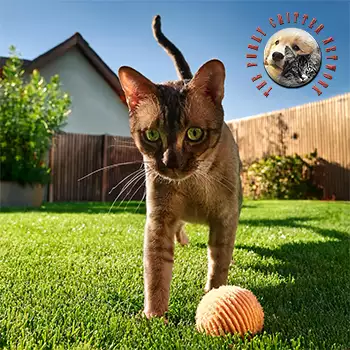

Peak Health Maintenance

The adult Sokoke, typically reaching full maturity between one and two years of age, is an impressive combination of athletic grace and engaging personality. During these prime years, your focus shifts from the rapid developmental changes of kittenhood to maintaining the excellent health and condition your Sokoke has built. Annual veterinary wellness exams are the cornerstone of preventive care, providing an opportunity to catch subtle changes before they become significant health concerns.

The Sokoke is generally a robust and healthy breed, benefiting from a diverse genetic background rooted in the naturally evolved feral cat population of the Arabuko Sokoke Forest in Kenya. However, no breed is entirely free from health considerations. Regular bloodwork during annual exams establishes baseline values for organ function, allowing your veterinarian to detect trends over time. Early identification of changes in kidney, liver, or thyroid values gives you the widest range of treatment options.

Parasite prevention should continue throughout the adult years. Even indoor Sokokes can be exposed to fleas, ticks, and intestinal parasites through a variety of vectors, including other pets, open windows, or contact with contaminated soil tracked inside on shoes. Discuss an appropriate year-round prevention protocol with your veterinarian based on your geographic location and your cat's lifestyle.

Keep vaccinations current according to your veterinarian's recommendations. Core vaccines protect against serious and potentially fatal diseases, while non-core vaccines may be recommended based on your Sokoke's risk factors. Maintaining a consistent vaccination schedule ensures continuous protection without unnecessary over-vaccination.

Nutrition at Maturity

An adult Sokoke requires a balanced diet that supports its naturally high activity level without promoting excess weight gain. The breed's lean, muscular build should be maintained through a combination of appropriate food selection and portion control. Choose a high-quality adult cat food with a named animal protein as the first ingredient and a nutritional profile that supports an active lifestyle. The Sokoke's metabolism tends to run higher than many domestic breeds, reflecting its origins as an active forest-dwelling cat.

Portion sizes should be calibrated to your individual Sokoke's activity level, body condition, and whether the cat has been spayed or neutered. A moderately active adult Sokoke typically requires between 200 and 300 calories per day, but this varies significantly based on individual factors. Use body condition scoring rather than weight alone to assess whether your cat is at an ideal size. You should be able to feel the ribs easily under a thin layer of fat, and the cat should have a visible waist when viewed from above.

Hydration remains important throughout the adult years. Cats evolved as desert animals and often have a low thirst drive relative to their needs. Incorporating wet food into the diet provides additional moisture and is often more palatable than dry food alone. Many Sokoke owners find success with a mixed feeding approach, offering wet food at scheduled meals and leaving a small amount of dry food available for grazing between meals.

Avoid feeding table scraps, as many common human foods are toxic to cats, including onions, garlic, grapes, chocolate, and anything containing xylitol. Treats should constitute no more than ten percent of the daily caloric intake. If you use treats for training or enrichment, account for those calories in the daily food allowance to prevent gradual weight creep that can be difficult to reverse once established.

Exercise & Fitness

The adult Sokoke retains much of the energy and athleticism of its youth, and ongoing physical activity is essential for both physical and mental well-being. This is not a breed that will contentedly spend the day sleeping on a windowsill. The Sokoke needs dynamic, engaging activity that challenges its body and mind. Continue providing at least two interactive play sessions daily, using toys that mimic prey behavior to engage the breed's strong hunting instincts.

Maintain and refresh the vertical environment in your home as your Sokoke matures. Cat trees, climbing shelves, and elevated walkways remain essential furniture for this breed throughout adulthood. The Sokoke's exceptional jumping ability and love of heights mean that a well-designed vertical space provides exercise opportunities throughout the day, even when you are not available for interactive play. Position perches near windows to combine climbing with the visual stimulation of outdoor activity.

Rotate toys and enrichment activities regularly to prevent boredom. The Sokoke's intelligence means it will quickly lose interest in predictable play patterns. Introduce new puzzle feeders periodically, rearrange climbing structures, and vary the types of interactive toys you use during play sessions. Some Sokokes enjoy fetch games, chasing crinkle balls or small soft toys that can be tossed and retrieved repeatedly.

If you established leash walking during the juvenile period, continue this activity as a regular part of your adult Sokoke's routine. Outdoor exploration on a secure harness provides irreplaceable sensory enrichment and physical exercise. Choose quiet routes during low-traffic times to minimize stress, and allow your Sokoke to set the pace, pausing to investigate interesting scents and sounds along the way. A secure catio or enclosed outdoor space remains an excellent alternative for cats that prefer unstructured outdoor time.

Preventive Health Care

Preventive health care for the adult Sokoke encompasses regular veterinary visits, ongoing parasite control, and attentive home monitoring. Schedule comprehensive wellness examinations at least once annually, and increase to twice yearly as your Sokoke approaches the transition to the senior stage. These visits should include a thorough physical examination, dental assessment, and baseline blood chemistry and complete blood count panels.

Heart health deserves attention in any cat breed. While the Sokoke is not specifically predisposed to hypertrophic cardiomyopathy at the rates seen in some breeds, this condition remains the most common heart disease in cats generally. Your veterinarian may recommend periodic cardiac screening, particularly if a heart murmur is detected during a routine exam. Early detection of cardiac changes allows for medical management that can significantly extend quality of life.

Monitor your Sokoke's litter box habits closely, as changes in urination or defecation patterns are often the earliest indicators of developing health issues in cats. Increased urination frequency or volume can signal kidney disease, diabetes, or hyperthyroidism. Changes in stool consistency, frequency, or color may indicate gastrointestinal problems. Because cats instinctively mask signs of illness, behavioral changes around the litter box are often the first clue that something is not right.

Maintain a home health routine that includes regular weight checks, coat condition assessment, and observation of eating and drinking patterns. The Sokoke's short coat makes it relatively easy to spot skin issues, lumps, or parasites during casual petting and grooming sessions. Familiarize yourself with your cat's normal baseline so that you can detect deviations promptly. Early veterinary consultation for any changes consistently produces better outcomes than waiting to see if a problem resolves on its own.

Behavioral Maturity

The adult Sokoke settles into a behavioral pattern that balances its naturally high energy with increased emotional stability and predictability. While the breed never truly becomes sedate, the manic bursts of kitten energy give way to more purposeful and sustained activity patterns. Your adult Sokoke will develop clear preferences for play styles, resting spots, and daily routines, and will communicate these preferences with characteristic vocal expressiveness.

The Sokoke's deep attachment to its human family is one of the breed's most defining traits during adulthood. These cats often choose a primary person to bond with most closely, following them around the home, sitting nearby during work or leisure, and greeting them enthusiastically at the door. This strong bond is rewarding but also means the Sokoke can be sensitive to changes in household routine, extended absences, or disruptions in the family dynamic.

Separation anxiety can be a concern with this breed if left alone for extended periods. Sokokes that spend long hours without human or animal companionship may develop stress behaviors such as excessive grooming, vocalization, or inappropriate elimination. If your schedule requires lengthy absences, consider providing a feline companion for your Sokoke, as the breed generally thrives in multi-cat households with compatible partners. Enrichment activities such as puzzle feeders, timed treat dispensers, and window bird feeders can also help bridge periods of solitude.

Territorial behavior in the adult Sokoke is typically moderate. They establish and patrol their home territory with interest but are generally not aggressive about it. If you introduce a new pet during this stage, follow a gradual introduction protocol to allow your Sokoke to adjust. Despite their social nature, adult cats are more set in their territorial expectations than kittens, and forcing a rushed introduction can create lasting conflict between animals that might otherwise have become companions.

Dental & Grooming

Dental health is one of the most commonly overlooked aspects of cat care, yet dental disease affects a majority of cats by the time they reach middle age. Begin or continue a dental care routine for your adult Sokoke that includes regular home tooth brushing with a cat-specific enzymatic toothpaste. Daily brushing is ideal, but even two to three sessions per week can significantly reduce plaque and tartar accumulation. Introduce brushing gradually, using positive reinforcement to build your Sokoke's tolerance for the process.

Professional dental cleanings performed by your veterinarian under anesthesia may be recommended periodically based on your Sokoke's dental condition. These cleanings allow for thorough scaling below the gum line, dental radiographs to assess tooth root health, and treatment of any developing periodontal disease. While anesthesia always carries some risk, modern protocols are extremely safe, and the health benefits of professional dental care far outweigh the minimal risk for a healthy adult cat.

The Sokoke's short, close-lying coat is one of the breed's most practical features. With minimal undercoat, this breed sheds less than many other cats and requires only weekly brushing to remove loose hair and maintain coat health. Use a soft bristle brush or grooming mitt, which most Sokokes enjoy as a form of social interaction. Regular brushing sessions also provide an opportunity to check for skin issues, lumps, or parasite evidence.

Nail trimming should be performed every two to three weeks, or as needed based on your Sokoke's activity level and scratching habits. A cat that uses scratching posts actively may wear down nails naturally, requiring less frequent trimming. Check the ears weekly for wax buildup or signs of infection, and wipe gently with a veterinarian-approved ear cleaner if needed. Eye discharge should be minimal in a healthy Sokoke; any persistent tearing or colored discharge warrants veterinary evaluation.

Always consult a qualified professional before making any health-related decisions. This content is provided for informational reference only and should not replace professional guidance specific to your animal.