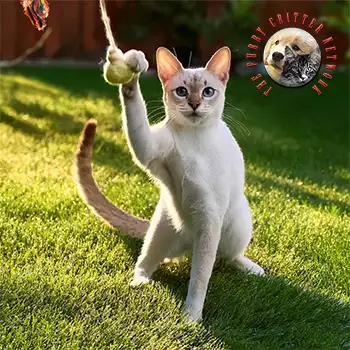

Growth & Physical Development

The Singapura is the smallest recognized domestic cat breed, and this becomes increasingly apparent during the juvenile stage as other breeds rapidly outpace them in size. Between three and six months of age, Singapura kittens go through steady but modest growth spurts, gaining weight gradually rather than in dramatic leaps. Their adult weight typically falls between four and eight pounds, with males tending toward the higher end of that range.

During this period, the body begins to transition from the rounded, slightly clumsy kitten form into the muscular, compact build characteristic of the breed. The legs lengthen proportionally, the chest fills out, and the distinctive large ears and eyes become even more prominent against the small head. The sepia agouti ticking of the coat deepens and becomes more clearly defined as the kitten coat is gradually replaced by adult fur.

Growth in Singapura cats tends to continue longer than in many other breeds. While some cats reach their full size by twelve months, Singapuras may continue to fill out and develop muscle tone until they are closer to two years old. Regular weigh-ins every two to four weeks during the juvenile period help you track progress and catch any unexpected plateaus or weight loss that could indicate a health issue.

Bone development is also critical during this stage. Proper nutrition supports the formation of strong skeletal structure, and kittens should be allowed plenty of active play to encourage healthy bone density and muscle development. Avoid restricting a juvenile Singapura's movement or play, as physical activity during this period directly contributes to the strong, agile body they will carry into adulthood.

Nutrition & Diet Transition

Juvenile Singapura cats require a high-quality kitten food formulated to support continued growth and development. Kitten-specific formulas provide higher levels of protein, fat, and essential nutrients like calcium and phosphorus compared to adult cat food. Because Singapuras are small cats, they have a high metabolic rate relative to their body weight, which means they need calorie-dense nutrition even though their portions remain small.

Feed measured meals three to four times per day until around six months of age, then transition to two to three daily meals. Free-feeding can be problematic even with small-breed cats, as it makes it difficult to monitor intake and can contribute to weight issues. Measure portions according to the food manufacturer's guidelines adjusted for your kitten's current weight and activity level, and adjust as they grow.

The transition from kitten food to adult food typically occurs between twelve and eighteen months of age for Singapuras, somewhat later than for faster-maturing breeds. Make the switch gradually over seven to ten days, mixing increasing proportions of adult food with decreasing amounts of kitten food to avoid digestive upset. Your veterinarian can advise on the optimal timing based on your individual cat's growth and development.

Fresh water should be available at all times. Many Singapura cats enjoy running water, so a cat water fountain can encourage adequate hydration. Avoid feeding table scraps, as many common human foods are toxic to cats, and even safe foods can create picky eating habits that make it difficult to maintain consistent nutrition.

Behavioral Changes

The juvenile stage brings a dramatic increase in energy, curiosity, and mischief. Singapura cats are naturally one of the most energetic and inquisitive breeds, and during adolescence these traits are amplified considerably. Expect your young Singapura to explore every shelf, investigate every open door, and test the boundaries of what they can climb, squeeze into, and knock off surfaces.

Between four and eight months, many kittens go through a phase of heightened independence where they may test household rules and seem less responsive to redirection. This is a normal part of feline adolescence and not a sign of a behavioral problem. Consistency in your responses is key during this period. Redirect unwanted behaviors calmly and reward desired behaviors with praise, treats, or play.

Singapuras are highly social cats and may become vocal or attention-seeking during the juvenile period, particularly if they are left alone for extended hours. They thrive on interaction and can develop anxiety-related behaviors such as excessive grooming or destructive scratching if their social needs are not met. If your household schedule requires long absences, consider whether a feline companion might benefit your Singapura's emotional wellbeing.

Play aggression is common during adolescence as kittens practice their hunting skills. Biting and scratching during play should be redirected to appropriate toys rather than hands or feet. If you allow a kitten to play-bite your fingers, they will carry that behavior into adulthood. Use wand toys, ball toys, and interactive puzzles to channel their energy into appropriate outlets.

Training Priorities

Singapura cats are intelligent and responsive to positive reinforcement, making the juvenile period an excellent time to establish good habits. Litter box training is usually instinctive for cats, but during adolescence you should ensure the box is kept scrupulously clean, appropriately sized, and placed in a quiet, accessible location. Some juvenile cats develop litter box aversion if the box is dirty, too small, or located in a high-traffic area.

Scratching post training is essential during this stage, as kittens are developing their scratching habits and preferences. Provide multiple scratching surfaces in various orientations, both vertical and horizontal, and place them near areas where your Singapura likes to rest or play. When you catch your kitten scratching furniture, calmly redirect them to an appropriate surface and reward them when they use it.

This is also the ideal time to acclimate your Singapura to routine handling that will be necessary throughout their life. Practice gentle tooth brushing, nail trimming, ear checking, and coat brushing in short, positive sessions. Pair each handling exercise with a small treat or a brief play session so your cat builds positive associations. A cat that accepts grooming and examination calmly as a juvenile will be far easier to care for as an adult and senior.

Consider clicker training or other marker-based training methods to teach basic behaviors and provide mental stimulation. Singapuras are capable of learning tricks and responding to verbal cues, and the mental engagement that training provides helps satisfy their active minds. Short sessions of two to five minutes are most effective, ending on a positive note before the kitten loses interest.

Exercise & Activity

Juvenile Singapura cats have extraordinary energy levels and require ample opportunities for physical activity. Their small size and natural athleticism make them exceptional climbers and jumpers, and they benefit enormously from vertical space in the home. Tall cat trees, wall-mounted shelves, and window perches give them the elevated vantage points they instinctively seek while providing exercise as they leap between levels.

Interactive play sessions should occur at least twice daily, with each session lasting fifteen to twenty minutes or until the kitten naturally winds down. Wand toys that mimic the movement of birds or insects are particularly effective at engaging the Singapura's strong prey drive. Rotate toys regularly to maintain novelty, as even the most engaging toy becomes boring if it is always available.

Puzzle feeders and food-dispensing toys add physical and mental challenge to mealtimes. These devices require the cat to manipulate objects to access food, slowing down eating while providing stimulation. For a breed as intelligent as the Singapura, puzzle feeders help prevent boredom-related behavioral issues and satisfy the need for problem-solving.

Despite their high energy, juvenile Singapuras also need adequate rest. Kittens in this age range still sleep twelve to sixteen hours per day, and their play periods are often intense but relatively brief. Provide comfortable resting spots in quiet areas of the home where your kitten can retreat for uninterrupted sleep. A well-exercised Singapura that gets sufficient rest is far less likely to develop destructive habits born of frustration or excess energy.

Spay/Neuter Considerations

Most veterinarians recommend spaying or neutering pet cats between four and six months of age, before the onset of sexual maturity. Singapura cats can reach sexual maturity as early as four months, though five to six months is more typical. Discuss timing with your veterinarian, who will consider your kitten's weight, overall health, and development when making a recommendation.

For female Singapuras, spaying before the first heat cycle significantly reduces the risk of mammary cancer later in life and eliminates the possibility of pyometra, a potentially life-threatening uterine infection. Unspayed females will cycle into heat regularly, displaying behaviors such as loud yowling, restlessness, and urine marking that can be disruptive to the household.

For male Singapuras, neutering reduces or eliminates urine spraying, roaming behavior, and inter-cat aggression driven by hormones. Intact males also produce more pungently scented urine, which can make indoor living unpleasant. Neutering is a straightforward procedure with a short recovery period, and most kittens are back to normal activity within a few days.

If you have acquired your Singapura with a breeding contract, the timing and decision around altering will be guided by your agreement with the breeder. Responsible breeders have specific plans for their breeding programs and will provide clear guidance on expectations. For all pet-quality Singapura cats, spaying or neutering is strongly recommended as part of responsible ownership and helps reduce the population of homeless cats.

Socialization & Exposure

Continued socialization during the juvenile period builds on the foundation established in the kitten's first weeks. While the most critical socialization window closes around seven weeks of age, adolescent cats still benefit greatly from ongoing positive exposure to new people, environments, and experiences. Singapuras that are well-socialized during this stage tend to be confident, adaptable adults who handle change with ease.

Introduce your juvenile Singapura to visitors of varying ages and appearances in a controlled, positive manner. Allow the kitten to approach new people at its own pace and reward brave, curious behavior with treats and gentle praise. Avoid forcing interactions, as negative experiences during this formative period can create lasting fearfulness.

Carrier training is an often-overlooked aspect of socialization that pays dividends for years. Leave the carrier out in the home with a comfortable blanket inside so your kitten can explore it freely. Feed treats inside the carrier and take short, positive car rides that do not end at the veterinarian's office. A cat that views the carrier as a safe space rather than a trap is dramatically easier to transport throughout its life.

Expose your Singapura to the grooming tools and routines they will encounter regularly, including brushes, nail clippers, and the sound of running water near the bathing area. Gradually introduce any household equipment that produces unusual sounds, such as hair dryers or blenders, from a distance and at low volume. The goal is not to desensitize your cat to unpleasant stimuli through flooding but to build familiarity through gentle, incremental exposure paired with positive outcomes.

Always consult a qualified professional before making any health-related decisions. This content is provided for informational reference only and should not replace professional guidance specific to your animal.