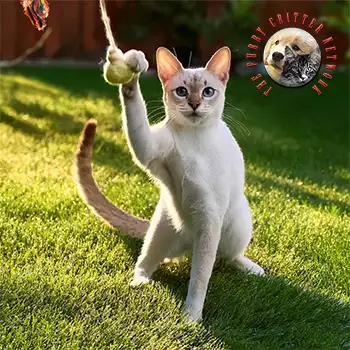

Peak Health Maintenance

The adult Singapura, generally considered fully mature between two and three years of age, is a remarkably healthy and resilient breed. Their small, muscular build and active nature contribute to overall fitness, but proactive health management ensures they remain in peak condition throughout their prime years. Annual veterinary wellness examinations form the backbone of preventive care, allowing your vet to catch subtle changes before they develop into serious conditions.

Singapuras are generally a hardy breed, but like all pedigreed cats they can be predisposed to certain health concerns. Pyruvate kinase deficiency, a hereditary condition affecting red blood cells, has been identified in the breed. Responsible breeders test for this condition, but if your cat's status is unknown, discuss testing with your veterinarian. Early detection allows for monitoring and management that can significantly improve long-term outcomes.

Maintain a consistent schedule of parasite prevention, including flea, tick, and intestinal parasite control appropriate for your cat's lifestyle and geographic region. Even indoor-only Singapuras can be exposed to parasites through open windows, other pets, or human clothing and shoes. Your veterinarian can recommend products and schedules suited to your specific situation.

Keep vaccination boosters current according to your veterinarian's recommendations. Core vaccines protect against serious and potentially fatal diseases, and booster schedules may vary based on your cat's risk factors, lifestyle, and local disease prevalence. Maintain an organized health record for your Singapura that includes vaccination dates, test results, weight history, and any notes from veterinary visits.

Nutrition at Maturity

Adult Singapura cats should be fed a high-quality cat food appropriate for their age, size, and activity level. Because they are small cats with fast metabolisms, they need calorie-dense nutrition in modest portions. Most adult Singapuras do well on two measured meals per day, though some owners prefer to divide the daily portion into three smaller meals to better match their cat's natural grazing tendencies.

Protein should be the primary component of your Singapura's diet, sourced from high-quality animal ingredients. Cats are obligate carnivores and require nutrients found naturally in animal tissue, including taurine, arachidonic acid, and preformed vitamin A. Read ingredient labels carefully and choose foods where a named animal protein is the first ingredient.

Weight management is important even for small cats. An adult Singapura in ideal body condition should have a visible waist when viewed from above and ribs that are easily felt but not prominently visible. Even a pound of excess weight on a cat that should weigh six pounds represents a significant percentage of body mass and can contribute to joint stress, diabetes, and reduced quality of life. Weigh your cat monthly and adjust portions if you notice a trend in either direction.

Fresh water is essential to urinary tract health, which is a common concern in all cat breeds. Encourage adequate water intake by providing clean water in multiple locations throughout the home and considering a pet water fountain. Some owners supplement dry food with wet food to increase overall moisture intake, which can benefit urinary and kidney health over the long term.

Exercise & Fitness

Adult Singapura cats retain much of their kitten energy well into maturity, and their need for daily physical and mental stimulation does not diminish significantly with age. These are athletic, agile cats that love to climb, jump, and explore, and a sedentary lifestyle is contrary to their nature. Plan for at least two interactive play sessions each day, using toys that engage their prey drive and allow them to run, leap, and stalk.

Vertical space remains critically important for adult Singapuras. Cat trees, wall-mounted perches, and shelving systems that create elevated pathways through the home satisfy their instinct to survey their territory from above. A well-designed vertical environment also provides exercise as the cat moves between levels throughout the day, even when you are not actively playing with them.

Rotate toys and introduce new forms of enrichment regularly to prevent boredom. Puzzle feeders, treat-dispensing toys, and hide-and-seek games with small objects keep your Singapura mentally engaged. Some Singapuras enjoy learning new tricks or playing fetch, and short training sessions can serve as both mental exercise and bonding time.

Pay attention to your cat's activity patterns and energy levels over time. A noticeable decrease in activity or interest in play can be an early indicator of pain, illness, or emotional distress. While individual cats naturally vary in their energy levels, a sudden or significant change in an adult Singapura's behavior warrants a veterinary evaluation to rule out underlying health concerns.

Preventive Health Care

Preventive health care for the adult Singapura extends beyond annual examinations and vaccinations to include regular monitoring of key health indicators. Blood work performed during annual or biannual wellness visits provides baseline values for organ function, blood cell counts, and metabolic markers. These baselines become invaluable as your cat ages, allowing your veterinarian to identify trends and intervene early.

Urinary tract health deserves particular attention in all cats, and the Singapura is no exception. Monitor your cat's litter box habits for changes in frequency, volume, or appearance of urine. Straining, frequent trips to the box, blood in the urine, or urinating outside the box can all indicate urinary tract issues ranging from infections to blockages. Male cats are at higher risk for urinary blockages, which constitute a medical emergency.

Dental disease is one of the most common health problems in adult cats and can have systemic effects on heart, kidney, and liver health if bacteria from infected gums enter the bloodstream. Establish a dental care routine that includes regular veterinary dental examinations and, ideally, daily tooth brushing at home using a cat-specific toothpaste. Dental treats and water additives can supplement brushing but should not replace it entirely.

Keep your Singapura's environment safe by securing windows and balconies, removing toxic houseplants, storing household chemicals out of reach, and keeping small objects that could be swallowed off accessible surfaces. Singapuras are curious and clever, capable of opening cabinets and accessing spaces that less determined cats would ignore. Childproof latches on cabinets containing cleaning supplies or medications are a worthwhile investment.

Behavioral Maturity

By two to three years of age, the Singapura has reached behavioral maturity, though they retain a distinctly playful and kittenish demeanor throughout much of their lives. The frenetic energy of adolescence mellows into a more directed and purposeful activity level, though these cats are never what most people would describe as calm or sedate. Expect an adult Singapura to remain highly interactive, vocal, and deeply bonded to their human family.

Singapuras are known for their desire to be involved in everything their owners do. They will follow you from room to room, perch on your shoulder, supervise your work, and insert themselves into any activity that catches their attention. This level of engagement is one of the breed's most endearing qualities, but it also means they do not tolerate being ignored or isolated. An adult Singapura that is left alone for long periods without enrichment may develop stress-related behaviors including overgrooming, excessive vocalization, or inappropriate elimination.

Multi-cat households can work very well for Singapuras, provided introductions are handled carefully and each cat has access to its own resources including food bowls, water sources, litter boxes, and resting spots. Singapuras are generally sociable with other cats, though individual personality plays a significant role. A second cat can provide companionship and play opportunities during the hours when the household is away.

Any sudden change in an adult Singapura's established behavior patterns should be investigated. Cats are masters at concealing discomfort, and behavioral changes are often the first visible sign of pain, illness, or environmental stress. Increased hiding, decreased appetite, aggression toward people or other pets, and changes in litter box habits all warrant attention and potentially a veterinary consultation.

Dental & Grooming

The Singapura's short, fine coat requires minimal grooming compared to longhaired breeds, but regular maintenance supports coat and skin health while providing an opportunity to check for abnormalities. A weekly brushing with a soft bristle brush or grooming glove removes loose hair, distributes natural oils, and gives you a chance to look for lumps, skin irritation, parasites, or wounds that might otherwise go unnoticed under their ticked coat.

Nail trimming should be performed every two to three weeks, or as needed based on your cat's activity level and scratching habits. If your Singapura was trained to accept nail trimming during the juvenile period, this should be a straightforward routine. If not, gradual desensitization using positive reinforcement can help even adult cats learn to tolerate the process. Keep styptic powder on hand in case of accidental overcutting.

Ear cleaning is necessary only when visible debris is present. Check your Singapura's large ears weekly for wax buildup, redness, or odor that could indicate an infection or ear mites. Use a veterinarian-recommended ear cleaning solution and a soft cotton ball, never inserting anything into the ear canal. The Singapura's prominent ears make inspection easy, which is an advantage for early detection of problems.

Dental care is arguably the most important grooming-related health practice for adult cats. Daily brushing using a finger brush or small cat toothbrush with enzymatic cat toothpaste is the gold standard. If daily brushing is not feasible, aim for several times per week and supplement with veterinary-approved dental treats. Professional dental cleanings under anesthesia may be recommended by your veterinarian based on the condition of your cat's teeth and gums during regular examinations.

Always consult a qualified professional before making any health-related decisions. This content is provided for informational reference only and should not replace professional guidance specific to your animal.