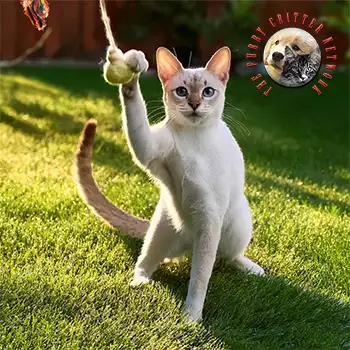

Singapura Cat Breed Guide - Furry Critter Network

Singapura

Quick Facts

📏 Height
6-8 inches
⚖ Weight
4-8 pounds
⏱ Lifespan
11-15 years
📊 Size Category
Small
🏆 Breed Group
Natural
✹ Coat Type
Short
😊 Temperament
Active, playful, curious, affectionate, extroverted, intelligent, people-oriented
🏃 Exercise Needs
Moderate
💇 Grooming Needs
Low
🔊 Vocalization
Moderate
🌍 Origin
Singapore

Singapura - Names & Recognition

The Singapura name comes from the Malay word for Singapore—"Singapura" or "Singa Pura," meaning "Lion City." This reflects the breed's origin in Singapore, where these small cats lived as street cats before being developed into a recognized breed. The name has remained consistent since the breed's formal recognition and is used universally across all major cat registries including The International Cat Association (TICA), the Cat Fanciers' Association (CFA), and international organizations worldwide.

The breed is sometimes affectionately called "Pura" by owners and breeders, a shortened, casual version of the full name. This abbreviation is widely understood in cat fancy circles and among Singapura enthusiasts, though it's informal rather than official. The term appears frequently in casual conversation and social media discussions about the breed.

Singapuras are occasionally nicknamed "Little Lions" or "Little Lion Cats," playing on Singapore's designation as the Lion City and the breed's bold personality despite their tiny size. This nickname emphasizes the contrast between their diminutive stature and their large, fearless personalities. Some enthusiasts also call them "love cats" due to their extremely affectionate, people-oriented nature and constant desire for human companionship.

In Singapore, these cats were historically known as "drain cats" or "longkang cats" (longkang being Malay for drain), referring to their habit of living in storm drains and under buildings in the tropical climate. This unflattering name reflects their street cat origins before being recognized as a valuable breed. The transformation from street cats to one of the rarest and most sought-after pedigreed breeds is remarkable.

The breed is officially recognized by all major cat registries. CFA granted championship status in 1988, and TICA followed suit. International registries including FIFe (Fédération Internationale Féline) and GCCF (Governing Council of the Cat Fancy) also recognize the breed. Recognition was somewhat controversial initially due to questions about the breed's true origins and development, but the Singapura is now well-established in the cat fancy.

There are no color varieties within the Singapura breed—all Singapuras must be sepia agouti, featuring a warm, ivory ground color with dark sepia brown ticking. This uniform color requirement distinguishes Singapuras from breeds that come in multiple colors. Any color variation would disqualify a cat from being a purebred Singapura. This color consistency contributes to the breed's distinctive, immediately recognizable appearance.

No longhaired variety exists, though longhaired kittens occasionally appear in litters due to recessive genes. These are not recognized as Singapuras and cannot be shown or bred as such. The breed standard specifically requires short coats, and the ticked pattern that defines the breed shows best on short fur. The consistency in coat length and color creates uniformity that makes Singapuras instantly identifiable.

Singapura Physical Description

The Singapura is notable as the smallest recognized cat breed, with females typically weighing 4-6 pounds and males ranging from 6-8 pounds. Their diminutive size is part of their charm, though beneath their small frames are surprisingly muscular, solid bodies. They're stocky and compact rather than delicate, with moderate bone structure creating sturdy builds despite their petite proportions. The overall impression is of a small but substantial cat—not fragile or weak.

The Singapura's most distinctive feature is the coat—short, fine, and silky with a specific ticked (agouti) pattern in sepia tones. The ground color is warm old ivory, with each hair showing at least two bands of dark sepia brown ticking separated by lighter bands. This creates a luminous, shimmering effect. The coat is finest and shortest on the back, gradually becoming slightly longer and softer on the sides and belly. The ticking pattern is most visible on the back and head, creating depth and richness in the coat color.

The face should show distinctive markings including cheetah lines—dark lines running from the inner corners of the eyes down alongside the nose. The muzzle, chin, chest, and stomach are lighter—unticked warm ivory creating contrast with the ticked areas. The spine shows a darker line running from head to tail, and the tail tip should be dark sepia. The backs of the hind legs show dark sepia bars. These markings enhance the wild, exotic appearance of the breed.

The head is round with a broad skull, medium-short muzzle, and blunt nose with a slight stop below eye level. The profile shows a rounded head with gentle curves rather than flat planes or extreme features. The muzzle is broad and round rather than pointed, with a firm chin creating proper bite alignment. Whisker pads are prominent, adding to the sweet facial expression characteristic of the breed.

The eyes are one of the breed's most striking features—large, almond-shaped, and set at a slight angle with wide placement. Eye color should be hazel, green, or yellow, with deeper, more intense colors preferred. The eyes appear enormous relative to the small face, creating the sweet, wide-eyed expression that makes Singapuras so appealing. The combination of large eyes and small face gives them an almost permanently surprised or curious look.

The ears are another distinctive feature—large, slightly pointed, wide at the base, and deeply cupped. They're set at a slight outward angle on the head and should never be small or too high-set. The large ears in proportion to the small head create a distinctive profile that's immediately recognizable. The inside of the ears should show pale furnishings, and the ears contribute significantly to the breed's alert, attentive expression.

The body is small to medium, moderate and muscular with a stocky build. Despite their tiny size, Singapuras feel solid and substantial when picked up—there's weight to them that surprises people expecting delicate cats. The chest is deep and rounded, the back is slightly arched, and the rump is rounded. Females are noticeably smaller and more refined than males, though both are compact and well-muscled.

The legs are heavy and muscular in proportion to the body, medium in length with firm muscles. The paws are small and oval. The tail is slender, shorter than body length, and slightly tapered with a blunt tip. The tail should reach approximately to the shoulder when laid along the body. Overall, the Singapura combines refinement with substance, creating a well-balanced, compact package that's distinctive and appealing despite—or perhaps because of—their diminutive size.

Affection Level
Singapuras are exceptionally affectionate cats that crave human companionship constantly. They're devoted to their families and want to be involved in everything their owners do. Their affection is demonstrative and persistent, making them ideal for those seeking intensely bonded pets. They thrive on attention and physical contact with their favorite people.
Friendliness
Singapuras are remarkably friendly and outgoing with everyone, including strangers. They typically greet visitors with curiosity and confidence rather than hiding. Their extroverted nature makes them excellent companions for social households. They genuinely enjoy meeting new people and adapt well to various social situations, showing little fear or reservation.
Child-Friendly
Singapuras are wonderful with respectful children, showing patience and enthusiasm for gentle play. Their small size requires careful handling, but they're sturdy enough for family life when children are taught appropriate interaction. They enjoy the activity and attention children provide, often seeking them out as playmates. Their playful nature matches well with energetic kids.
Pet-Friendly
Singapuras typically excel in multi-pet households, getting along well with other cats and cat-friendly dogs. Their social nature means they often prefer having animal companions for entertainment and comfort. Early socialization ensures the best results, though most Singapuras naturally accept other animals readily. Their size requires monitoring with larger pets to prevent accidental injury.
Exercise Needs
Singapuras have moderate to high exercise needs despite their small size. They're active, energetic cats that require daily play sessions to burn energy and stay physically fit. They enjoy climbing, jumping, and interactive games. Their high activity level requires engaged owners who can provide regular stimulation. Without adequate exercise, they may become bored or develop behavioral issues.
Playfulness
Singapuras are among the most playful cat breeds, maintaining kitten-like enthusiasm throughout their lives. They love interactive games, toys, and exploration. Their playful nature is endearing and entertaining but requires owners who can provide consistent engagement. They often initiate play and create their own entertainment with household objects. Their energy seems boundless even into maturity.
Energy Level
Singapuras possess high energy levels and are constantly active and engaged. They're curious, athletic cats that enjoy exploring, playing, and interacting with their environment. This energy makes them entertaining companions but requires owners who can provide adequate stimulation. They balance activity with brief rest periods but are generally lively, engaging cats throughout their lives.
Intelligence
Singapuras are intelligent cats that learn quickly and solve problems effectively. They're curious and observant, understanding household routines and anticipating events. They can learn tricks, figure out puzzles, and manipulate their environment. This intelligence requires mental stimulation through interactive play, puzzle toys, and training. They're engaged learners that respond well to positive reinforcement training.
Tendency to Vocalize
Singapuras are moderately vocal cats that communicate with soft, pleasant voices. They're chattier than some breeds but not as demanding as Siamese. They'll meow to greet their owners, express needs, or engage in conversation. Their vocalizations are generally quiet and sweet rather than loud or intrusive. Most owners find their communication endearing rather than annoying.
Amount of Shedding
Singapuras are low shedders with short coats that produce minimal loose hair. Their fine coat doesn't shed excessively, making them excellent choices for people concerned about cat hair. Regular grooming easily manages what little shedding occurs. This low shedding is a significant advantage for maintaining clean homes and for those with mild cat allergies.

Singapura History & Origins

The Singapura's history is fascinating and somewhat controversial, involving both natural development in Singapore and deliberate breeding programs in the United States. According to the most commonly told origin story, American cat fanciers Hal and Tommy Meadow discovered these small, ticked cats living as feral or street cats in Singapore in 1975. The cats reportedly lived in storm drains (longkang) and under buildings in Singapore's tropical climate, evolving as a natural population over generations.

The Meadows exported several cats from Singapore to the United States, beginning a breeding program to develop them into a recognized breed. They named the breed Singapura after the city-state where the foundation cats originated. The cats' distinctive appearance—small size, ticked sepia coats, and large eyes—captured attention in the cat fancy, and interest in the breed grew rapidly.

However, the breed's origin story became controversial in the 1990s when documents surfaced suggesting that the foundation cats may not have been pure native Singapore cats but rather descendants of cats the Meadows had taken from Singapore to the United States and back again. Some evidence suggested the foundation cats may have included Burmese and Abyssinian ancestry rather than being purely natural Singapore street cats. This revelation caused significant controversy in the cat fancy.

Investigations into the breed's origins revealed complex circumstances. While small, ticked cats certainly existed in Singapore as street cats, questions arose about whether the specific cats used as breed foundations were truly representative of Singapore's street cat population or had been selectively bred or influenced by other breeds. The Singapore Tourist Promotion Board (later Singapore Tourism Board) initially promoted Singapuras as a national treasure but later distanced itself from the breed when questions about authenticity emerged.

Despite origin controversies, genetic studies have shown that Singapuras are genetically distinct from most other breeds, suggesting they do represent a unique population whether entirely native to Singapore or partially developed through selective breeding. The breed's genetic profile doesn't match pure Burmese or Abyssinian, indicating they're not simply hybrids of those breeds even if some admixture occurred in their development.

The Cat Fanciers' Association (CFA) granted Singapuras championship status in 1988, relatively quickly for a breed introduced in the late 1970s. The International Cat Association (TICA) also recognized the breed, as did other international registries. The breed gained popularity in the United States and Europe, though they remain relatively rare compared to more common breeds.

In Singapore itself, the breed has had mixed reception. After initial enthusiasm when the Singapore Tourist Promotion Board adopted the breed as a tourism mascot in the 1990s, later controversies about origins cooled official support. Small, ticked cats still exist in Singapore's street cat population, though purebred Singapuras registered with international registries are uncommon in their country of nominal origin. Some Singaporeans feel the breed was appropriated and commercialized by Western breeders rather than developed respectfully by locals.

Modern Singapura breeding faces challenges due to the breed's extremely small gene pool. All current Singapuras trace back to a very limited number of foundation cats, creating concerns about genetic diversity and inbreeding. Responsible breeders work to maintain genetic health while preserving breed type, occasionally introducing carefully selected outcrosses to increase diversity. The breed's small size also means litters are typically small (often 2-3 kittens), limiting how quickly the breed can grow.

Genetic testing and health screening have become important tools in managing the breed's limited gene pool. Breeders test for genetic conditions and make informed decisions about breeding pairs to maximize genetic diversity while maintaining the distinctive Singapura characteristics—small size, sepia agouti coat, and large eyes and ears.

Today, the Singapura is established worldwide though remains relatively uncommon. Their rarity, combined with small litter sizes and high demand, means they're among the more expensive cat breeds. The breed represents either a successful preservation of Singapore's native cats or a successful development of a distinctive breed from limited foundation stock—depending on perspective. Regardless of the exact origin details, modern Singapuras are now a recognized, distinct breed with devoted followings among those who appreciate their unique combination of tiny size, beautiful coloring, and extroverted, affectionate personalities.

Singapura Temperament & Personality

The Singapura temperament is characterized by extraordinary affection, high energy, and unrelenting curiosity. These cats are intensely people-oriented and crave constant companionship. Unlike more independent breeds, Singapuras want to be involved in everything their owners do—helping with tasks, supervising activities, and providing commentary. They're often described as having dog-like devotion, following their favorite people from room to room and demanding attention and interaction.

Affection is central to the Singapura personality. These cats are exceptionally loving and demonstrative, seeking physical contact constantly. They enjoy being held, sitting on laps or shoulders, and sleeping under covers with their owners. Many Singapuras are "velcro cats" that want to be touching or near their people at all times. Their affection isn't reserved or subtle—it's enthusiastic and persistent. This makes them ideal for people seeking intensely bonded pets but unsuitable for those wanting independent cats.

The breed is remarkably extroverted and social. Singapuras typically greet strangers enthusiastically rather than hiding, often becoming the center of attention when visitors arrive. Their fearless, confident nature means they approach new situations and people with curiosity rather than caution. This sociability makes them excellent companions for social households that entertain frequently. They genuinely seem to enjoy meeting new people and experiencing new situations.

Playfulness in Singapuras is pronounced and persistent throughout their lives. Even senior Singapuras often maintain kitten-like enthusiasm for play. They love interactive games, particularly those engaging hunting instincts—feather wands, laser pointers (with tangible toy rewards), and small prey toys. They're acrobatic and athletic despite their small size, capable of impressive jumps and climbing feats. Their energy seems boundless, and they need multiple daily play sessions to stay content.

Intelligence is notable in Singapuras. They're quick learners that understand household routines, anticipate events, and can be trained to perform tricks or follow commands. Many learn to fetch, come when called, and understand various words. They figure out how to open doors, drawers, and containers, and they understand cause and effect. This intelligence requires mental stimulation—bored Singapuras become destructive or develop behavioral issues.

Curiosity drives much of Singapura behavior. They investigate everything, explore every space, and take intense interest in household activities. They want to know what's in every drawer, what you're doing, and what's happening in every room. This curiosity is endearing but means they can get into things if not supervised. Nothing escapes their notice, and they feel entitled to investigate everything in their domain.

Singapuras are moderately vocal and use their voices to communicate needs, desires, and opinions. They're chattier than some breeds but not as demanding as Siamese or Orientals. Their voices are generally soft and pleasant—they trill, chirp, and meow but rarely yowl loudly. Most owners find their communication endearing, enjoying the back-and-forth conversation Singapuras offer. They'll "talk" about meals, play, attention needs, and general commentary on household events.

The breed is notably heat-seeking, likely due to their origins in tropical Singapore and their fine coats providing minimal insulation. Singapuras love warm spots—sunny windowsills, heated cat beds, under blankets with their owners, or anywhere heat accumulates. Many Singapuras burrow under covers at night or seek out the warmest person in the house to cuddle with. This heat-seeking behavior is charming and creates opportunities for close bonding.

Singapuras typically get along well with other pets when properly introduced. Their social nature means they often prefer having animal companions for entertainment when humans are unavailable. They're neither overly dominant nor timid with other cats, integrating smoothly into multi-pet households. They also adapt well to living with cat-friendly dogs, often engaging them in play. Their small size requires monitoring to prevent accidental injury from larger pets.

Despite their tiny size, Singapuras are fearless and confident. They don't act like small, vulnerable cats—they approach life with bold confidence that seems outsized for their stature. This fearlessness means they'll explore anywhere, try anything, and aren't easily intimidated. While charming, this also means they may not recognize dangers that their size should make them cautious about.

The overall temperament makes Singapuras ideal for people seeking interactive, affectionate, entertaining companions that want to be fully integrated family members. They're not suitable for people wanting independent, low-maintenance pets or those away from home frequently. They require significant time, attention, and engagement. However, for owners wanting devoted cats that offer constant companionship, entertainment, and love, Singapuras deliver exceptionally. Their combination of tiny size, beautiful appearance, and extroverted personality creates uniquely rewarding human-animal relationships.

Care Requirements

Caring for a Singapura involves meeting their substantial social, physical, and mental needs despite their tiny physical size. The most critical aspect is providing constant companionship—these cats cannot tolerate being alone for extended periods. They need either consistent human presence or animal companions. If you work long hours, adopting two Singapuras or providing compatible feline or canine companions is essential to prevent loneliness, anxiety, and destructive behaviors that develop from isolation.

Physical exercise is crucial for these high-energy cats. Singapuras need multiple daily play sessions totaling at least 30 minutes or more, distributed throughout the day. Use interactive toys like feather wands, laser pointers (always with tangible toy rewards), and small prey toys. Despite their small size, they're athletic and need opportunities for climbing and jumping. Without adequate physical activity, they may become hyperactive, destructive, or develop behavioral issues.

Environmental enrichment should include vertical space despite their small size. Provide cat trees, wall-mounted shelves, and window perches. Singapuras are excellent climbers and jumpers who enjoy surveying their territory from elevated positions. Puzzle feeders, food-dispensing toys, and rotating regular toys provide mental stimulation between interactive play sessions. Their intelligence and curiosity mean they appreciate variety and challenges.

Singapuras are ideal indoor cats and should be kept exclusively indoors for their safety. Their tiny size makes them vulnerable to predators, their value makes them theft targets, and their fearless nature means they won't avoid dangers appropriately. Indoor living with controlled temperature, safety from predators and traffic, and protection from diseases ensures the longest, healthiest life.

Temperature regulation is important for Singapuras due to their fine coats and tropical origins. They're sensitive to cold and seek warmth constantly. Maintain comfortable indoor temperatures, provide heated cat beds or warm spots, and ensure they have access to warm areas throughout your home. Many Singapuras appreciate being allowed to sleep under covers with their owners. They're more comfortable in warmer environments than most breeds.

Litter box management follows standard guidelines—one box per cat plus one extra, scooped daily, cleaned thoroughly weekly. Singapuras are typically fastidious and may refuse dirty boxes. Due to their small size, ensure litter boxes have appropriately low sides for easy entry, though most adult Singapuras can manage standard boxes. Place boxes in quiet, accessible locations away from food and water.

Regular veterinary care is essential. Schedule annual wellness examinations where your veterinarian can assess overall health, monitor for breed-specific concerns related to small gene pool, and update vaccinations. Due to the breed's limited genetic diversity, working with a veterinarian familiar with genetic considerations helps ensure optimal care. Maintain current vaccinations appropriate for indoor cats and implement year-round parasite prevention.

Singapuras should be spayed or neutered unless part of responsible breeding programs. This prevents unwanted litters, reduces certain health risks, and often results in calmer pets. Most veterinarians recommend spaying or neutering between 4-6 months of age. Given the breed's small size, discuss any anesthesia concerns with your veterinarian. Microchipping provides permanent identification for these rare, valuable cats who could be theft targets if they escape.

Their small size requires some special considerations. Be careful where you sit or step—Singapuras are so tiny they can be difficult to see, and their fearless nature means they won't move from dangerous positions. Inform household members and visitors about the cat's small size to prevent accidental injury. Ensure windows have secure screens, as their curiosity might lead them to dangerous situations.

Socialization and interaction are crucial for Singapuras' wellbeing. These extroverted cats need regular attention, play, and interaction to thrive. Schedule dedicated play times daily, engage them in training sessions, and provide consistent companionship. Their need for interaction isn't optional—it's essential to their mental health and happiness. Neglected Singapuras become depressed, anxious, or develop behavioral problems.

Training opportunities enrich Singapura lives. These intelligent cats enjoy learning and respond well to clicker training, trick training, and interactive games. Teaching commands, practicing gentle handling, and providing positive experiences creates confident, well-adjusted cats. Their eagerness to interact and intelligence make training rewarding for both cat and owner. Consider harness training for supervised outdoor exploration in secure areas.

Feeding & Nutrition

Feeding a Singapura properly supports their health, maintains their petite frame, and provides energy for their high activity levels. Despite their tiny size, Singapuras need nutrient-dense, high-quality foods to fuel their active lifestyles. As obligate carnivores with fast metabolisms, they require protein-rich diets. Look for cat foods listing meat, poultry, or fish as primary ingredients, with protein content of at least 35-40% on a dry matter basis.

Both dry and wet food can be part of a healthy diet. Wet food provides excellent moisture content (75-80%) supporting hydration and urinary tract health. Many Singapuras prefer wet food due to its palatability and strong aroma. Dry food offers convenience and may help maintain dental health. Many owners feed a combination—wet food for main meals and small amounts of dry food for snacking. Consult your veterinarian about the best approach for your individual cat.

Portion control requires careful attention despite their small size. While Singapuras are tiny, they're naturally lean and muscular rather than delicate. They need adequate calories to support their high energy levels and fast metabolisms. Adult Singapuras typically need 150-200 calories daily depending on individual size and activity level. Follow feeding guidelines on your chosen food package, adjusting based on your cat's body condition. You should feel ribs easily without seeing them prominently.

Given their small size, Singapuras may prefer smaller, more frequent meals rather than large portions. Many do well with three to four small meals daily rather than the typical two meals. This approach matches their fast metabolisms and prevents them from becoming too hungry between meals. Kittens require even more frequent feeding—four to five small meals daily until about six months of age—to support their rapid growth despite tiny stomachs.

Food and water bowls should be appropriately sized for their small faces. Very deep or large bowls may be difficult for tiny Singapuras to eat from comfortably. Shallow dishes or small bowls work best. Some owners use kitten-sized bowls even for adult Singapuras. Ensure water bowls are stable and won't tip easily, as their small size means even minor spills can soak them.

Interactive feeding methods work well for intelligent, active Singapuras. Puzzle feeders and food-dispensing toys provide mental stimulation while engaging their hunting instincts. However, ensure puzzles are appropriately sized—some designed for larger cats may be too difficult for tiny Singapuras to manipulate. Start with simple puzzles and ensure they can successfully obtain food to prevent frustration.

Weight management is important though typically not difficult with Singapuras given their high activity levels. Monitor body condition regularly—their small size means even half a pound of excess weight is significant. Maintain their naturally lean, muscular build through appropriate portions and regular exercise. Most Singapuras maintain healthy weight naturally when properly fed and exercised.

Some Singapuras may have food sensitivities or allergies, though this varies individually. Signs include vomiting, diarrhea, excessive scratching, skin irritation, or ear infections. If your cat exhibits these symptoms, consult your veterinarian. They may recommend elimination diets or novel protein sources to identify problematic ingredients. Due to the breed's small gene pool, genetic predispositions to certain sensitivities may exist.

Fresh, clean water must be available at all times. Many Singapuras enjoy drinking from running water sources, so consider providing cat water fountains to encourage adequate hydration. Proper hydration supports kidney health and overall wellbeing. Change water daily and wash bowls regularly. Monitor water intake—changes can indicate health problems requiring veterinary attention.

Treats should comprise no more than 10% of daily caloric intake. Given Singapuras' small size and caloric needs, this means treats should be tiny and infrequent. Use small pieces of freeze-dried meat treats or cooked chicken for training rewards. Avoid human foods that are toxic to cats, including chocolate, onions, garlic, grapes, raisins, and products containing xylitol.

As your Singapura ages, dietary needs may change. Senior cats often benefit from foods formulated for mature cats that support kidney health and maintain muscle mass. However, given the breed's high energy levels often persisting into old age, some senior Singapuras still need higher calorie intakes than typical senior cats. Work closely with your veterinarian to adjust your cat's diet throughout life stages, ensuring optimal nutrition for changing needs while maintaining the healthy weight essential for this tiny breed.

Singapura Health & Lifespan

Singapuras face health considerations primarily related to their extremely small gene pool and limited genetic diversity. All Singapuras worldwide trace back to very few foundation cats, creating concerns about genetic bottlenecks and inbreeding. However, many Singapuras live healthy lives with lifespans of 11-15 years when properly cared for. The breed's small size also requires special considerations regarding anesthesia, medication dosing, and general care. Choosing kittens from responsible breeders who prioritize genetic diversity and conduct health testing significantly reduces risks.

While Singapuras face health challenges primarily related to their limited gene pool, many live healthy, active lives with proper care and attention. The breed's small size requires some special considerations regarding veterinary procedures and medication dosing, but these are manageable with knowledgeable veterinary care. Choosing kittens from responsible breeders who prioritize genetic health, maintaining preventive care, and addressing concerns promptly provides the foundation for your Singapura's best possible health and longevity. With proper care, these tiny cats bring years of joy and companionship.

Common Health Issues

  • Inertia Uteri: Some Singapura females experience uterine inertia - Weak contractions, during labor, making it difficult to deliver kittens naturally. This condition may require veterinary intervention including medication to stimulate contractions or cesarean section. Breeders should be prepared for potential birthing complications. This condition may have genetic components related to the breed's small gene pool. Female Singapuras used for breeding require close monitoring during pregnancy and delivery.
  • Pyruvate Kinase Deficiency - PK Deficiency, : This genetic blood disorder affects red blood cell metabolism, potentially causing hemolytic anemia. Affected cats may show lethargy, pale gums, and weakness. A DNA test is available to identify carriers and affected cats. Responsible breeders test breeding cats to avoid producing affected kittens. While manageable in many cases, PK deficiency requires monitoring and may affect lifespan and quality of life.
  • Genetic Diversity Issues: The extremely limited gene pool creates concerns about inbreeding depression and increased risks of recessive genetic conditions. Small populations can accumulate deleterious genes more easily. While not a specific disease - Limited genetic diversity increases vulnerability to health problems and may reduce overall vigor. Responsible breeders work to maximize genetic diversity within the small available gene pool through careful pedigree analysis.
  • Anesthesia Sensitivity: Singapuras' extremely small size requires special considerations for anesthesia during surgery or dental procedures. Their tiny body mass means standard dosing formulas must be carefully adjusted. Fat-to-muscle ratio - Small blood volume, and rapid metabolism affect how they process anesthetic drugs. Work with veterinarians experienced with small or toy breeds to ensure appropriate anesthetic protocols and monitoring.
  • Dental Disease: Like all cats - Singapuras can develop dental problems, though their small mouths may be prone to crowding. Teeth crowding can accelerate plaque and tartar buildup, leading to gingivitis and periodontal disease. Regular dental care including home brushing and professional cleanings is essential. Some Singapuras may require more frequent dental attention than typical cats due to jaw size limitations.
  • Obesity: While Singapuras are typically active - They can gain weight if overfed or insufficiently exercised, particularly after spaying or neutering. Even small amounts of excess weight are significant on their tiny frames, stressing joints and organs. Monitor body condition carefully and adjust portions if weight gain occurs. Maintaining their naturally lean build is crucial for overall health.

Preventive Care & Health Monitoring

  • Genetic Testing: Prospective owners should work with breeders who conduct genetic testing for known conditions like PK deficiency - Breeders should test breeding cats and make informed decisions to avoid producing affected kittens. Understanding your cat's genetic status allows proactive monitoring and care planning. Regular veterinary care should include discussion of breed-specific genetic concerns with your veterinarian.
  • Regular Veterinary Examinations: Annual wellness visits for adults and twice-yearly exams for seniors allow early detection of health issues. Given the breed's limited gene pool - Close veterinary monitoring is particularly important. Examinations should include physical assessment, weight monitoring, dental evaluation, and discussion of any changes in behavior or health. Blood work and urinalysis help identify internal issues before symptoms appear.
  • Dental Hygiene: Establish dental care routines early including daily tooth brushing with cat-specific toothpaste and professional cleanings as recommended. Given potential crowding in small mouths - Singapuras may need more attention to oral health than some breeds. Regular home care and professional monitoring prevent painful dental disease that can affect overall health and quality of life.
  • Weight and Activity Management: Monitor your Singapura's weight regularly - Maintaining their naturally lean, muscular build. Provide adequate exercise through daily interactive play sessions. Even small weight changes are significant on their tiny frames. Regular play keeps them physically fit and mentally stimulated. Preventing obesity is easier than treating it and crucial for joint health and longevity.

Coat Color & Grooming

The Singapura coat is the breed's signature characteristic—short, fine, and silky with a specific ticked (agouti) pattern in sepia tones. This is the only color and pattern accepted for the breed, creating uniformity that makes Singapuras instantly recognizable. The ground color is warm old ivory, with each individual hair showing at least two bands of dark sepia brown ticking separated by lighter bands. This banding creates a shimmering, luminous effect when light hits the coat.

The ticking pattern is most visible and pronounced on the back, head, and outer surfaces of the body. The ticking creates depth and richness in the coat color, with the warm ivory ground color showing through the darker ticking. The coat color is often described as resembling antique ivory or old parchment overlaid with warm brown ticking. The overall effect is warm, soft, and sophisticated rather than harsh or strongly contrasted.

Specific markings enhance the breed's distinctive appearance. The face should show "cheetah lines"—dark sepia lines running from the inner corners of the eyes down along the sides of the nose. The muzzle, chin, chest, and stomach are lighter—unticked warm ivory creating contrast with the ticked areas. A dark line runs down the spine from head to tail base. The tail tip must be dark sepia, and the backs of the hind legs show dark bars. The nose leather is pale to dark salmon, and paw pads are rosy brown.

The coat is shorter and finest on the back, gradually becoming slightly longer and softer on the sides and belly. However, even at its longest, the coat remains short by cat standards. The texture is silky and smooth, lying close to the body without standing out or appearing fluffy. The coat has a healthy sheen that reflects good nutrition and proper care.

Kittens are born darker than adults and gradually lighten as they mature. The ticking pattern becomes more defined and the warm ivory ground color more apparent as kittens grow. Full coat color may not develop until 12-18 months of age. This gradual development is normal and expected in Singapuras.

Grooming requirements are remarkably low despite the breed's exotic appearance. The short, fine coat is naturally low-maintenance, essentially self-cleaning. Weekly brushing with a soft bristle brush or simply petting with damp hands removes loose hair and distributes natural oils for healthy shine. Most Singapuras enjoy this gentle grooming, making it a pleasant bonding activity rather than a chore.

Shedding is minimal due to the fine coat structure and lack of thick undercoat. While some shedding occurs, it's far less than most breeds. Regular weekly brushing or even just occasional petting manages what little shedding happens. The warm sepia and ivory coloring means shed hairs blend relatively well with most furniture, though they're still visible on very dark or very light surfaces.

Bathing is rarely necessary for Singapuras unless they get into something messy. Their coats naturally resist soiling and the cats are fastidious self-groomers. If bathing is needed, use lukewarm water and gentle cat-specific shampoo, lathering carefully and rinsing thoroughly. The fine coat dries relatively quickly. Ensure your cat is completely dry before allowing them to roam freely, as their fine coats provide minimal insulation when wet.

Nail trimming every 2-3 weeks maintains appropriate claw length and reduces scratching damage. Provide sturdy scratching posts or pads to satisfy natural scratching instincts while protecting furniture. Most Singapuras accept nail trimming well when introduced gradually with positive reinforcement. Their small size makes handling easy, though care should be taken with their delicate paws.

Ear checks should be weekly, cleaning with veterinarian-approved ear cleaner only when wax or debris accumulates. The large ears may accumulate more debris than smaller-eared breeds, so regular monitoring is important. Never insert anything into the ear canal. If ears show redness, excessive wax, or your cat shakes their head frequently, consult your veterinarian.

Dental care through daily tooth brushing or dental treats supports overall health. Singapuras generally tolerate tooth brushing well when introduced gradually. Use cat-specific toothpaste and a soft brush or finger brush appropriately sized for their small mouths. The overall grooming routine for Singapuras is minimal, making them one of the lowest-maintenance breeds regarding coat care while maintaining their beautiful, distinctive appearance.

Children & Other Pets

Singapuras can be wonderful companions for families with children when both are taught appropriate interaction and children understand the cat's small size. These cats are playful and enjoy interactive games, making them natural playmates for respectful kids. However, their tiny size requires careful handling—rough play or dropping can cause serious injury. They're best suited to families with children old enough to understand gentle handling and respect for a small animal.

The breed's playful, energetic nature appeals to children. Singapuras enjoy active play sessions and games of fetch or chase. Their kitten-like enthusiasm persists throughout their lives, ensuring they remain engaging companions as children grow. However, their fearless nature means they won't avoid potentially dangerous situations, so supervision is essential to protect them from accidental harm during enthusiastic play.

Teaching children appropriate interaction is crucial given Singapuras' small size. Kids should learn to pick up cats properly with full body support, never by legs or scruff. Demonstrate gentle handling and explain that Singapuras are fragile despite their bold personalities. Children should understand that these cats can be injured by seemingly minor accidents—sitting on them, stepping on them, or dropping them from heights.

Singapuras are best suited to families with school-age children who can follow rules consistently and understand consequences of rough handling. Toddlers and very young children's unpredictable movements and inability to control strength make them risky companions for such tiny cats. Very young children require constant supervision during any cat interactions to prevent accidental injury to either party.

Providing safe retreat spaces is important even though Singapuras are social and enjoy family activity. Cat trees with high perches, quiet rooms, or elevated spots give them places to rest when overwhelmed. Teaching children to respect these boundaries helps everyone coexist happily. Most Singapuras will eagerly return to family activities once they've had brief respite, as they genuinely enjoy being part of family life.

Regarding other pets, Singapuras typically excel in multi-pet households when properly introduced. They usually get along well with other cats, often preferring to have feline companions for entertainment when humans are unavailable. Their social, playful nature makes them enjoyable companions for other cats with similar temperaments. When introducing cats, follow gradual protocols with scent swapping, visual barriers, and supervised meetings.

Singapuras are neither dominant nor submissive, coexisting peacefully in multi-cat households. They integrate smoothly into existing cat groups and welcome new cats when introduced properly. Having feline companions prevents loneliness and provides entertainment, which is particularly beneficial for these social cats. Multi-cat households with Singapuras often develop strong feline friendships.

These cats can also coexist happily with cat-friendly dogs, particularly when raised together from young ages. Their fearless, playful nature prevents them from being intimidated by dogs. However, their extremely small size requires careful monitoring with any dog to prevent accidental injury during play. Even friendly dogs can accidentally harm such tiny cats through exuberant play.

Ideal canine companions include gentle, calm breeds or individuals that understand their own strength and can interact carefully with small animals. Dogs with strong prey drives or that play roughly are unsuitable companions for Singapuras. Introduce dogs and cats gradually with supervision, ensuring the dog is genuinely cat-friendly and won't chase or play too roughly. Some Singapura-dog pairs become close friends, but the size difference requires constant vigilance.

Small pets such as birds, hamsters, rabbits, or fish may be at significant risk around Singapuras. Despite their small size, these cats retain strong hunting instincts and are skilled predators. Their curiosity and boldness mean they'll investigate anything interesting, potentially triggering predatory behavior toward prey-sized animals. Small animals should always be housed in secure, escape-proof enclosures completely inaccessible to cats.

With proper introduction, supervision, and constant awareness of the Singapura's tiny size, they can thrive in various family situations. Their extroverted nature, playfulness, and affection make them wonderful companions for households that can meet their needs for interaction while protecting them from accidental injury. They bring joy, entertainment, and devoted companionship to families who appreciate their unique combination of miniature size and oversized personality.