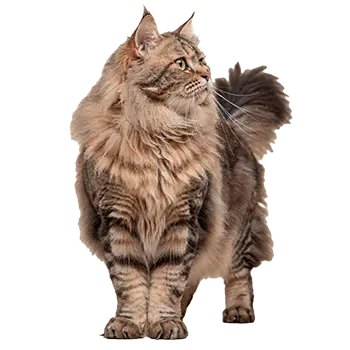

Siberians are one of the slowest-maturing cat breeds, often not reaching their full size and physical maturity until they are four to five years old. During the juvenile period, which spans roughly from three months to about eighteen months, your Siberian will undergo dramatic physical changes. Growth spurts can seem sudden and uneven, with legs appearing too long for the body one week and the torso catching up the next. Males in particular may look gangly and awkward during this stage before filling out into the powerful, muscular cats the breed is known for.
By six months of age, most Siberians will have doubled or tripled their weight from the three-month mark, though they are still far from their adult size. Males typically grow larger than females, eventually reaching 15 to 20 pounds, while females generally settle between 10 and 15 pounds. Monitoring weight gain through regular weigh-ins helps ensure your kitten is on a healthy growth trajectory without becoming overweight, which can stress developing joints.
The Siberian's signature triple coat begins to develop more fully during this period. Kittens are born with a softer, thinner version of the adult coat, but by six to eight months, the dense undercoat and water-resistant guard hairs start coming in earnest. You may notice significant changes in coat texture and even color during the first year, as many Siberian coat patterns darken or develop more definition as the cat matures.
Bone and muscle development continue steadily throughout the juvenile phase. Siberians are a naturally athletic breed with a sturdy, barrel-chested build, and their skeletal structure takes considerable time to reach full density. Providing adequate nutrition and avoiding excessive jumping from extreme heights during this period helps protect growing bones and joints from injury.