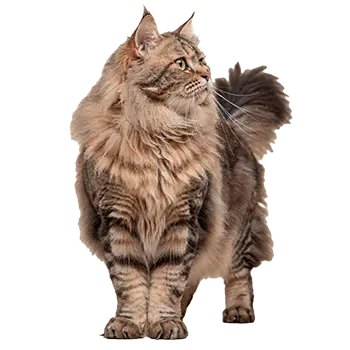

When Does Senior Begin?

Siberians are a long-lived breed with an average lifespan of twelve to eighteen years, and they are generally considered to enter their senior years around ten to twelve years of age. However, the onset of aging is highly individual, and some Siberians remain remarkably vigorous well into their early teens while others may show signs of slowing down somewhat earlier. The transition from adult to senior is rarely a sudden event but rather a gradual shift in energy, metabolism, and physical resilience.

Recognizing the early signs of aging helps you adjust care routines proactively rather than reactively. You may notice your Siberian sleeping more during the day, showing less interest in vigorous play, or taking a moment longer to jump up to favorite perches. Their coat may begin to lose some of its youthful luster, and you might observe slight changes in muscle tone, particularly along the spine and hindquarters. These subtle shifts are normal parts of the aging process.

Once your Siberian enters the senior category, veterinary visits should increase from annual to semi-annual wellness examinations. Conditions that are common in older cats, including kidney disease, hyperthyroidism, diabetes, and dental disease, are far more manageable when caught early. Your veterinarian will likely recommend more comprehensive blood panels, urinalysis, and blood pressure monitoring as part of the senior wellness protocol.

The goal during the senior years is not to prevent aging but to manage it thoughtfully. With attentive care, appropriate dietary adjustments, and regular veterinary oversight, many Siberians enjoy a high quality of life well into their mid to late teens. Understanding what is normal aging versus what warrants medical attention empowers you to be the best advocate for your aging companion.

Mobility & Joint Health

Siberians are a large, muscular breed that places considerable stress on their joints throughout their lives. As they enter their senior years, the cumulative effects of this wear become more apparent. You may notice your Siberian hesitating before jumping onto furniture, choosing lower resting spots, or moving with a stiffer gait, particularly after sleeping. Arthritis and degenerative joint disease are common in older cats of all breeds, though they are often underdiagnosed because cats are masters at concealing pain.

Simple environmental modifications can make a significant difference in your senior Siberian's comfort and mobility. Provide ramps or pet stairs to help them access favorite elevated spots such as beds, couches, and window perches. Place food and water dishes at a comfortable height so they do not need to crouch deeply to eat and drink. Ensure litter boxes have low entry points, as stepping over high sides can become painful for cats with stiff joints.

Your veterinarian may recommend joint supplements or therapeutic diets formulated to support joint health in senior cats. Various nutritional supplements have shown promise in supporting cartilage health and reducing inflammation in aging joints. In more advanced cases, prescription pain management may be appropriate to maintain your cat's comfort and mobility. Never administer human pain medications to cats, as many common over-the-counter options are highly toxic to felines.

Gentle play and light exercise remain important for senior Siberians, as movement helps maintain joint flexibility, muscle mass, and healthy body weight. Shorten play sessions and choose lower-impact activities such as ground-level chasing games or gentle wand toy play rather than encouraging high jumps. Regular, moderate activity is far more beneficial than infrequent bursts of intense exercise for aging joints.

Cognitive Changes

Cognitive decline, sometimes referred to as feline cognitive dysfunction, affects a significant percentage of cats over fifteen years of age and may begin showing signs earlier. Symptoms can include disorientation in familiar environments, changes in sleep-wake cycles, increased vocalization particularly at night, staring blankly at walls, forgetting learned behaviors such as litter box use, and alterations in social interactions with family members.

If you notice your senior Siberian appearing confused, getting lost in the house, or vocalizing loudly during the night, discuss these changes with your veterinarian. While cognitive decline cannot be reversed, early intervention with environmental management, dietary supplements, and sometimes medication can slow the progression and improve quality of life. It is also important to rule out other medical conditions that can mimic cognitive dysfunction, such as hyperthyroidism, high blood pressure, or pain.

Environmental consistency becomes increasingly important for cats experiencing cognitive changes. Avoid rearranging furniture or moving the locations of food, water, and litter boxes. Night lights can help disoriented cats navigate in the dark, and maintaining a predictable daily routine provides reassurance to a cat whose mental map of their world may be shifting. Additional litter boxes placed on each floor of the home reduce the risk of accidents caused by confusion.

Mental stimulation remains valuable for senior cats, though it should be adapted to their current abilities. Simple puzzle feeders, gentle interactive play, and quiet companionship all help maintain neural connections and provide enrichment. Spending time near your senior Siberian, speaking to them softly, and offering gentle physical affection can be deeply comforting to a cat experiencing the uncertainties of cognitive change.

Nutrition for Aging

Nutritional needs shift as your Siberian enters their senior years. Metabolism slows, lean muscle mass naturally decreases, and the efficiency of nutrient absorption may decline. Transitioning to a high-quality senior cat food formulated to address these changes provides appropriate caloric content, enhanced protein levels to support muscle maintenance, and adjusted mineral ratios to support aging kidneys and other organs.

Weight management in senior cats requires careful attention, as both obesity and unintended weight loss are common and concerning. Overweight seniors face increased risks of diabetes, joint stress, and cardiovascular problems, while unexplained weight loss can indicate conditions such as hyperthyroidism, kidney disease, or cancer. Regular weigh-ins at home using a baby scale or kitchen scale can help you detect gradual changes that might otherwise go unnoticed between veterinary visits.

Hydration becomes critically important as cats age, particularly since chronic kidney disease is one of the most common conditions in senior felines. Encourage water intake by providing multiple fresh water sources throughout the home, using pet fountains, and incorporating wet food into the diet if your cat has been eating primarily dry food. Some owners add a small amount of warm water to wet food to further increase fluid consumption.

Senior cats may develop preferences for softer foods as dental issues become more prevalent. Warming food slightly can enhance its aroma and make it more appealing to cats whose sense of smell may be diminishing. Feed smaller, more frequent meals if your Siberian seems to eat less at each sitting. If your cat shows a sudden change in appetite, either eating significantly more or less than usual, consult your veterinarian promptly, as altered appetite is often one of the first indicators of an underlying health condition.

Increased Veterinary Care

Semi-annual veterinary visits become the standard of care once your Siberian enters their senior years. These more frequent checkups allow your veterinarian to monitor the progression of age-related changes and catch new conditions in their earliest, most treatable stages. Each visit should include a comprehensive physical examination, blood chemistry panel, complete blood count, urinalysis, thyroid screening, and blood pressure measurement.

Chronic kidney disease is the most prevalent serious condition in aging cats and progresses through defined stages. Early detection through routine blood work and urinalysis allows for dietary management and supportive care that can significantly slow the disease's progression and maintain quality of life for months or even years. Your veterinarian may recommend a prescription renal diet, subcutaneous fluid therapy, or medications to manage associated symptoms such as nausea or high blood pressure.

Hyperthyroidism is another condition that commonly develops in older cats, caused by an overactive thyroid gland that accelerates metabolism. Symptoms include weight loss despite a good appetite, increased thirst and urination, hyperactivity, vomiting, and an unkempt coat. Several treatment options exist, and your veterinarian can help determine the most appropriate approach based on your cat's overall health, the severity of the condition, and your family's circumstances.

Dental disease often reaches a critical point during the senior years, and many older cats require professional dental procedures to address painful conditions such as tooth resorption, advanced periodontal disease, or fractured teeth. While anesthesia in senior cats carries somewhat higher risk than in younger animals, modern veterinary anesthesia is remarkably safe, and the benefits of treating painful dental conditions typically far outweigh the risks. Pre-anesthetic blood work and careful monitoring protocols help minimize any concerns.

Quality of Life Assessment

As your Siberian ages and potentially manages one or more chronic conditions, regularly assessing their quality of life becomes an important responsibility. Quality of life is a holistic concept that encompasses not just the absence of pain but the presence of comfort, enjoyment, and engagement with the world. A cat that eats willingly, grooms themselves, seeks out companionship, and shows interest in their surroundings is generally experiencing a good quality of life, even if they have slowed down considerably.

Several structured quality of life assessment tools exist that can help you evaluate your senior cat's well-being objectively. These typically consider factors such as pain levels, appetite, hydration, hygiene, happiness, mobility, and the balance of good days versus bad days. Periodically working through such an assessment, ideally in collaboration with your veterinarian, provides a framework for making care decisions and helps you notice gradual declines that might be difficult to perceive day to day.

Comfort measures for senior Siberians include providing heated beds or pads for warmth-seeking older cats, placing non-slip mats on slippery surfaces to prevent falls, and ensuring that the home environment is quiet and predictable. Many senior cats appreciate being near their owners more than ever, and simply being present in the same room provides significant comfort. Grooming assistance may become necessary as your Siberian becomes less able to maintain their dense coat independently.

Open, ongoing communication with your veterinarian about your cat's quality of life helps prepare you for the decisions that may eventually need to be made. Understanding the trajectory of your Siberian's health conditions, knowing what signs indicate declining quality of life, and having a compassionate veterinarian who respects your bond with your cat are all essential elements of navigating the senior years with grace and love.

Always consult a qualified professional before making any health-related decisions. This content is provided for informational reference only and should not replace professional guidance specific to your animal.