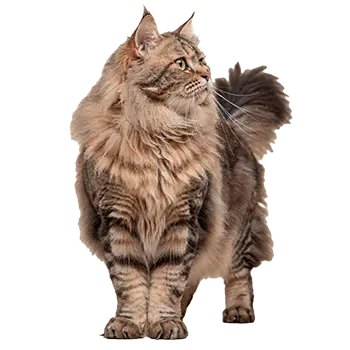

A fully mature Siberian is a picture of robust feline health, with a powerful, muscular body, a luxurious triple coat, and an alert, engaged temperament. The adult years, which for this slow-maturing breed begin around four to five years of age and extend through roughly ten to eleven years, represent the longest and most stable phase of your cat's life. Maintaining peak health during this period requires consistency in care routines and vigilance in noticing subtle changes that might signal emerging issues.
Annual veterinary wellness exams are the cornerstone of adult health maintenance. Even when your Siberian appears perfectly healthy, a thorough examination can detect early signs of conditions such as heart murmurs, dental disease, or weight changes that might not be obvious at home. Your veterinarian will also ensure vaccinations are kept current according to their recommended booster schedule and may run baseline blood work to establish normal reference ranges for your individual cat.
Hypertrophic cardiomyopathy remains a concern throughout the Siberian's life. This condition causes thickening of the heart muscle and can be present without any outward symptoms until it becomes advanced. Discuss screening echocardiograms with your veterinarian, particularly if your cat comes from lines where this condition has been documented. Early detection allows for management strategies that can significantly improve long-term outcomes.
Maintain a consistent daily routine for your adult Siberian, including regular feeding times, play sessions, and grooming. Cats are creatures of habit, and Siberians in particular thrive in stable environments where they know what to expect. Sudden changes in behavior, appetite, water consumption, litter box habits, or activity level should be taken seriously, as cats are notorious for masking illness until a condition has become quite advanced.