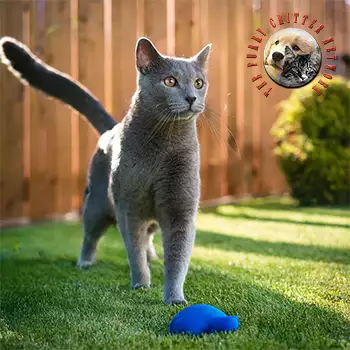

Growth & Physical Development

The juvenile stage for a Russian Blue typically spans from around three months to twelve months of age, a period of dramatic physical transformation. During these months, the kitten will grow from a small, round-bodied youngster into a sleek, elegant adolescent that increasingly resembles the graceful adult form the breed is known for. Weight gain should be steady and consistent, with most Russian Blues reaching roughly half their adult weight by about five months.

One of the most notable physical changes during this period is the gradual deepening of eye color. Russian Blue kittens are born with blue eyes that begin transitioning to a yellowish-green shade around four months of age. The vivid emerald green that is the hallmark of the breed may not fully develop until the cat is one to two years old, so patience is required when evaluating this trait in a young cat.

The distinctive double coat of the Russian Blue also undergoes significant changes during the juvenile period. The soft kitten fluff gradually gives way to the dense, plush adult coat with its characteristic silvery blue sheen. The coat may go through an awkward transitional phase where it appears uneven or less lustrous than expected, but this is entirely normal and temporary.

Bone growth and muscle development are rapid during this stage, and the kitten's body proportions will shift noticeably. The legs lengthen, the body becomes more elongated, and the fine-boned, athletic build of the adult Russian Blue begins to emerge. Growth plates in the long bones remain open throughout much of this period, which has implications for exercise intensity and injury prevention.

Nutrition & Diet Transition

Juvenile Russian Blues have high metabolic demands to support their rapid growth, and nutrition during this stage lays the foundation for long-term health. A high-quality kitten food formulated for growth should remain the primary diet until the cat reaches approximately twelve months of age. Kitten formulas are specifically designed with higher protein and fat levels, along with appropriate calcium-to-phosphorus ratios, to support skeletal and muscular development.

Feeding frequency can gradually decrease from the four or more small meals per day appropriate for a very young kitten to two to three meals daily by about six months of age. Free-feeding, or leaving food available at all times, is generally not recommended for Russian Blues, as the breed can be prone to weight gain if food intake is not monitored. Establishing structured mealtimes early in life helps prevent obesity later.

Fresh, clean water should always be available. Some Russian Blues show a preference for running water, and a pet fountain can encourage adequate hydration. Proper hydration supports kidney function and urinary tract health, both of which are important considerations for cats throughout their lives.

Treats should comprise no more than ten percent of the daily caloric intake and should be chosen carefully. Avoid treats with excessive artificial colors, flavors, or fillers. Many owners find that small pieces of plain cooked meat make excellent training rewards and are well-received by the typically food-motivated Russian Blue. Any dietary changes should be made gradually over the course of a week to avoid gastrointestinal upset.

Behavioral Changes

The juvenile and adolescent period brings a surge of energy, curiosity, and independence that can catch first-time Russian Blue owners off guard. While the breed is often described as calm and reserved, young Russian Blues can be remarkably playful and mischievous. They are intelligent cats that need mental stimulation, and without it, they may find their own entertainment in ways that are less than ideal for household harmony.

Russian Blues tend to develop strong bonds with their primary caregivers during this period, often selecting one or two favorite people and showing a marked preference for their company. This loyalty is one of the breed's most endearing traits, but it can also manifest as shyness or wariness around strangers. Continued socialization with a variety of people during the juvenile months helps temper this tendency without undermining the cat's natural personality.

Territory marking behaviors may begin to emerge during adolescence, particularly in intact males. Spraying, scratching, and increased vocalization can all be signs that the cat is reaching sexual maturity. Even cats that will eventually be neutered or spayed may exhibit some of these behaviors in the weeks or months leading up to the procedure.

This is also the period when a Russian Blue's characteristic routine-oriented nature begins to solidify. These cats thrive on predictability and can become stressed by sudden changes in their environment or daily schedule. Establishing consistent routines around feeding, play, and quiet time during the juvenile period helps create a sense of security that benefits the cat throughout its life.

Training & Enrichment

Russian Blues are among the more trainable cat breeds, thanks to their intelligence, attentiveness, and desire to please their preferred people. The juvenile period is an ideal time to establish basic behaviors and boundaries that will serve the household well for years to come. Positive reinforcement methods, using treats or praise as rewards, are far more effective with this sensitive breed than any form of correction or punishment.

Litter box habits are usually well established by the time a Russian Blue enters the juvenile stage, but this is a good time to reinforce preferences and ensure the setup remains appropriate as the cat grows. The litter box should be large enough for the growing cat to turn around in comfortably, placed in a quiet and accessible location, and kept scrupulously clean. Russian Blues are often particular about litter box hygiene and may refuse to use a box they consider insufficiently maintained.

Interactive play sessions are essential for both physical exercise and mental stimulation. Wand toys, puzzle feeders, and games that encourage stalking and pouncing behavior satisfy the Russian Blue's hunting instincts and help burn off adolescent energy. Two or three dedicated play sessions of fifteen to twenty minutes each day can significantly reduce unwanted behaviors driven by boredom or excess energy.

Many Russian Blues can be taught to fetch, come when called, and even perform simple tricks. Clicker training is particularly well-suited to the breed, as these cats are quick to make the association between the click, the behavior, and the reward. Training sessions should be kept short and positive, ending on a successful note to maintain the cat's enthusiasm.

Exercise & Activity

Despite their reputation as a relatively quiet breed, juvenile Russian Blues are athletic and agile cats that benefit greatly from regular physical activity. The adolescent period is marked by bursts of intense energy, often occurring in the early morning and evening hours, during which the cat may race through the house, leap onto high surfaces, and engage in vigorous play.

Providing appropriate outlets for this energy is important both for the cat's physical development and for the preservation of household furnishings. Cat trees with multiple levels, wall-mounted shelves that create vertical climbing paths, and sturdy scratching posts all give the young Russian Blue opportunities to climb, stretch, and scratch in approved locations. The breed's natural elegance belies a surprising athleticism, and many Russian Blues are capable of impressive vertical leaps.

Interactive play should be a daily priority. Toys that mimic prey behavior, such as feather wands that dart and flutter, or small balls that roll unpredictably, engage the cat's natural hunting instincts and provide excellent cardiovascular exercise. Rotating toys regularly helps maintain the cat's interest, as even the most beloved toy can lose its appeal if it is always available.

It is worth noting that Russian Blues are an indoor breed by temperament and health considerations. Their trusting nature with familiar people combined with their caution around the unfamiliar does not equip them well for the hazards of outdoor life. A secure catio or enclosed outdoor space can provide fresh air and sensory stimulation without the risks associated with free roaming.

Spay & Neuter Considerations

The decision of when to spay or neuter a Russian Blue is one that should be discussed with your veterinarian, taking into account the individual cat's development, health status, and living situation. Most veterinarians recommend spaying or neutering between four and six months of age, before the cat reaches full sexual maturity, though some breeders and veterinary professionals advocate for waiting slightly longer to allow for more complete physical development.

Early spaying of females eliminates the risk of pyometra, a potentially life-threatening uterine infection, and significantly reduces the risk of mammary cancer when performed before the first heat cycle. Neutering males reduces or eliminates spraying behavior, roaming tendencies, and inter-cat aggression driven by reproductive hormones. For cats not intended for a carefully managed breeding program, the health and behavioral benefits of sterilization are substantial.

The procedure itself is routine and generally well-tolerated. Modern anesthetic protocols and pain management techniques have made spay and neuter surgeries safer and more comfortable than ever. Most cats recover quickly, returning to normal activity levels within a few days, though it is important to follow your veterinarian's post-operative instructions regarding activity restriction and incision monitoring.

After spaying or neutering, metabolic rate typically decreases, meaning the cat will require fewer calories to maintain a healthy weight. Adjusting portion sizes downward by approximately ten to fifteen percent after the procedure, and monitoring body condition regularly, helps prevent the weight gain that commonly follows sterilization.

Socialization & Exposure

While the most critical socialization window closes around seven to nine weeks of age, the juvenile and adolescent period remains an important time for continued exposure to new experiences. Russian Blues that are gently and consistently introduced to a variety of people, sounds, and situations during these months tend to develop into more confident and adaptable adults than those that are sheltered from novelty.

Introductions to new people should be managed carefully with this naturally reserved breed. Rather than forcing interactions, allow the cat to approach visitors at its own pace. Providing a treat or a quiet play session in the presence of a new person can help build positive associations. Over time, most Russian Blues become more relaxed around familiar visitors while maintaining a dignified reserve with true strangers.

Exposure to common household events and sounds is also valuable during this period. The sound of a vacuum cleaner, a doorbell, a television at varying volumes, and the comings and goings of household members all become part of the cat's normal experience. Russian Blues that are gradually acclimated to these stimuli during the juvenile period are far less likely to be startled or stressed by them as adults.

If the household includes other pets, or if the addition of another pet is planned, the juvenile period can be a favorable time for introductions, as younger cats tend to be more adaptable than established adults. However, all introductions should follow a gradual protocol, beginning with scent exchange, progressing to visual contact through a barrier, and eventually allowing supervised face-to-face meetings. Rushing this process almost always backfires, particularly with a breed as sensitive to environmental changes as the Russian Blue.

Always consult a qualified professional before making any health-related decisions. This content is provided for informational reference only and should not replace professional guidance specific to your animal.