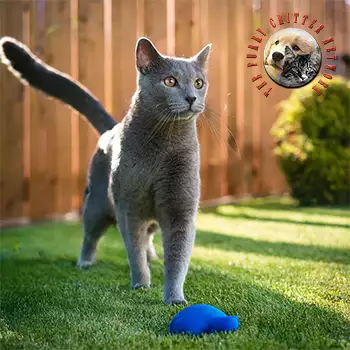

The Russian Blue name reflects the breed's geographic origin and distinctive coat color. "Russian" indicates the breed's origins in Russia, while "Blue" refers to the gray coat color that, in cat fancy terminology, is called blue. The name has been consistent since the breed's formal recognition, though variations existed earlier. The breed is officially recognized by all major cat registries including The International Cat Association (TICA), the Cat Fanciers' Association (CFA), and international organizations worldwide.
Historically, the breed was known by several names reflecting its presumed origins. "Archangel Blue" or "Archangel Cat" referenced the port city of Archangel (Arkhangelsk) in northern Russia, from which sailors supposedly brought these cats to England in the 1860s. This name appears in early cat fancy literature and was commonly used before "Russian Blue" became standard. Some enthusiasts still use "Archangel Blue" romantically, though it's not an official designation.
The breed was also called "Foreign Blue" in early British cat shows, distinguishing it from British Blues (now British Shorthairs). This name emphasized that the cats came from outside Britain—"foreign" in this context meant non-British rather than exotic. The term fell out of use as breed standards became more specific and distinct. "Spanish Blue" was another early name, possibly due to confusion about the cats' origins or shipping routes, though no evidence suggests Spanish heritage.
In some European countries, the breed is called "Russisch Blau" (German), "Bleu Russe" (French), or similar translations maintaining the Russian Blue designation. These names follow the same convention as English, emphasizing Russian origin and blue color. The consistency across languages reflects the breed's international recognition and well-established identity.
Some breeders and enthusiasts affectionately call them "Russians" for short, a casual abbreviation widely understood in cat fancy circles. This shorthand is convenient but informal, not appearing in official contexts. The breed's supporters sometimes refer to them as "the aristocrat of the cat fancy" due to their elegant appearance and refined bearing, though this is a descriptive phrase rather than an alternate name.
There is no longhaired variety of Russian Blue officially recognized, though occasionally longhaired kittens appear in litters due to recessive genes. Some breeders have attempted to establish longhaired Russians as separate breeds under names like "Nebelung" (a recognized breed that's essentially a longhaired Russian Blue in appearance and temperament). However, Nebelungs have their own breed standards and registry recognition separate from Russian Blues.
The breed standard specifies that Russian Blues must be blue (gray) with silver tipping, though some other countries have developed white and black varieties. These color variants are recognized by some European registries but not by major American registries like CFA or TICA. In countries where they're recognized, they're called "Russian White" and "Russian Black," but they remain controversial and are considered separate breeds or variants rather than color variations within the Russian Blue breed by most authorities.