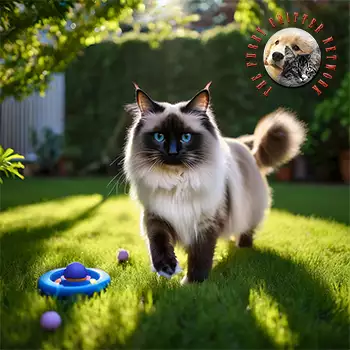

Growth & Physical Development

Ragdolls are one of the slowest-maturing cat breeds, and their juvenile phase reflects this extended timeline. While most domestic cats reach their full adult size by twelve to eighteen months, Ragdolls continue to grow and fill out until they are three to four years old. During the juvenile period — roughly from two months through the first year — growth is steady and sometimes dramatic, with kittens gaining noticeable size from one week to the next.

By three months of age, most Ragdoll kittens weigh between three and five pounds. Males tend to outpace females in growth rate, and by six months a healthy male kitten may already weigh six to eight pounds. The signature semi-long coat begins to develop more fully during this stage, becoming silkier and showing increasingly defined colorpoint markings as pigment continues to deepen on the ears, face, paws, and tail.

Bone and muscle development should be supported through appropriate nutrition, but rapid growth also makes juvenile Ragdolls somewhat more susceptible to orthopedic stress. Avoid encouraging high-impact jumping from elevated surfaces during this period, as joints and growth plates are still maturing. Providing sturdy, moderately-heighted cat trees and ramps allows the kitten to climb and explore without the jarring landings that tall furniture can produce.

Regular weigh-ins remain important throughout the juvenile stage. Plotting your kitten's growth on a simple chart helps identify any stalls or sudden spikes that might indicate nutritional issues or underlying health concerns. Your veterinarian can provide breed-specific growth curves to serve as a reference.

Nutrition & Diet Transition

The transition from mother's milk to solid food begins during the weaning process around four to five weeks, but the juvenile period is when nutritional demands are at their highest. Growing Ragdoll kittens require a calorie-dense, protein-rich diet formulated specifically for kittens. These formulas provide the elevated levels of amino acids, fatty acids, vitamins, and minerals necessary to support rapid skeletal growth, muscle development, and immune system maturation.

Feed measured portions of high-quality kitten food three to four times daily until approximately six months of age, then transition to two to three meals per day. Free-feeding — leaving food available at all times — can work for some kittens but carries the risk of overeating, particularly as the kitten approaches the end of its first year. Ragdolls are prone to excess weight gain, so establishing portion control habits early is beneficial.

Wet food and dry food each have advantages. Wet food provides valuable hydration and tends to be more palatable, while dry kibble supports dental health and is convenient for timed feeding. Many caregivers offer a combination of both. Whichever format you choose, ensure that the primary ingredient is a named animal protein source rather than fillers or by-products.

Fresh, clean water should be available at all times. Many cats, Ragdolls included, prefer running water and may drink more readily from a pet fountain. Adequate hydration supports kidney function, digestion, and coat quality — all of which are important during this intensive growth phase. Avoid giving milk or dairy products, as most cats become lactose intolerant after weaning.

Behavioral Changes

The juvenile stage brings a burst of energy, curiosity, and boundary-testing that can catch first-time Ragdoll owners off guard. Despite the breed's reputation for laid-back temperament, young Ragdolls are playful and sometimes mischievous, engaging in vigorous play sessions that include running, climbing, pouncing, and wrestling with toys or willing companions.

As kittens approach adolescence — roughly five to eight months — hormonal changes begin to influence behavior. Intact males may start to spray urine, vocalize more loudly, and display increased territorial awareness. Intact females may exhibit their first estrus cycle, characterized by restlessness, rolling, vocalizing, and an exaggerated lordosis posture. These behaviors are normal but often undesirable in a household setting, making the timing of spay or neuter surgery an important discussion with your veterinarian.

Ragdoll kittens are exceptionally social and often develop a strong attachment to one or two family members. They may follow their preferred person from room to room, seek out lap time, and vocalize softly to initiate interaction. This attachment is endearing but also means that Ragdolls can be more sensitive to changes in routine or prolonged absences than more independent breeds.

Some juvenile Ragdolls go through a phase of increased nocturnal activity, racing through the house in the early morning hours. This is typical kitten behavior amplified by the breed's size. Providing vigorous interactive play sessions in the evening before bedtime can help channel this energy and encourage a sleep schedule more aligned with the household.

Training Priorities

Ragdolls are intelligent and eager to please, making them one of the more trainable cat breeds. The juvenile period is the ideal window to establish the habits and boundaries that will define your cat's behavior for years to come. Start with the essentials: consistent litter box use, scratching on appropriate surfaces, and responding to their name.

Litter box training is usually straightforward with Ragdolls, as kittens learn from their mother and from instinct. Provide one litter box per cat plus one additional box, keep them scrupulously clean, and place them in quiet, accessible locations. If accidents occur, investigate potential causes — a dirty box, a stressful environmental change, or a medical issue — rather than punishing the kitten, which is counterproductive.

Scratching is a natural and necessary behavior that maintains claw health and provides a physical stretch. Redirect scratching away from furniture by providing tall, sturdy scratching posts wrapped in sisal rope, placed near the areas the kitten gravitates toward. Positive reinforcement — treats, praise, and play — when the kitten uses the post is far more effective than scolding when it scratches elsewhere.

Many Ragdolls can learn tricks and commands typically associated with dogs, including sit, come, high-five, and fetch. Use short, positive-reinforcement-based training sessions of five minutes or less, and always end on a success. Clicker training works exceptionally well with this breed. The mental stimulation provided by training sessions also helps prevent boredom-related behavioral issues such as excessive grooming or destructive play.

Exercise & Activity

Despite their relaxed adult demeanor, juvenile Ragdolls need regular, active play to support healthy physical development and prevent the boredom that can lead to behavioral problems. Interactive play — using wand toys, feather teasers, or small balls — encourages running, leaping, and the predatory stalk-chase-capture sequence that satisfies deep feline instincts.

Aim for at least two dedicated play sessions of fifteen to twenty minutes each day, in addition to the self-directed play the kitten engages in on its own. Puzzle feeders and treat-dispensing toys add a mental enrichment component that is particularly well-suited to the Ragdoll's inquisitive nature. Rotating toys regularly maintains novelty and keeps the kitten engaged.

Cat trees, shelving, and window perches provide vertical space for climbing and observation, both of which are important outlets for a growing kitten. Ragdolls are not typically the most agile climbers compared to leaner breeds, so ensure that climbing structures are stable and offer wide platforms where a larger kitten can rest comfortably without risk of falling.

While Ragdolls are strictly indoor cats by most breeder and veterinary recommendations, some owners introduce leash walking during the juvenile period. If you choose to explore this option, begin with harness desensitization indoors, allowing the kitten to wear a well-fitting harness for short periods before ever attaching a leash. Supervised outdoor time in a secure enclosure is another way to provide environmental enrichment without the risks associated with free roaming.

Spay/Neuter Considerations

The decision of when to spay or neuter a Ragdoll kitten is best made in consultation with your veterinarian, taking into account the individual kitten's health, growth, and your household circumstances. Many veterinary organizations recommend pediatric spay or neuter between four and six months of age, before the onset of sexual maturity and its associated behavioral changes.

Early spaying eliminates the risk of pyometra, a potentially fatal uterine infection, and significantly reduces the risk of mammary cancer when performed before the first estrus cycle. Early neutering prevents spraying behavior in males, reduces roaming drive, and eliminates the risk of testicular cancer. For a breed that is already predisposed to a calm temperament, early alteration tends to reinforce the easygoing personality that Ragdoll owners cherish.

Some caregivers and breeders prefer to wait until the kitten is closer to eight or twelve months to allow for more skeletal development before surgery. Research on this topic continues to evolve, and breed-specific considerations — including the Ragdoll's prolonged growth period — are worth discussing with your veterinarian. There is no single correct answer, and the best choice balances health benefits, behavioral management, and the professional guidance of your veterinary team.

Post-surgical recovery is typically swift in young cats. Follow your veterinarian's instructions for activity restriction, incision monitoring, and any prescribed medications. Most kittens return to normal activity within a week to ten days, though it is important to prevent vigorous jumping or rough play during the healing window.

Socialization & Exposure

Continued socialization during the juvenile period builds on the foundation laid in the first weeks of life. While the most sensitive socialization window closes around seven to nine weeks, Ragdoll kittens remain highly receptive to new experiences throughout their first year. Positive exposure to a broad range of people, environments, sounds, and handling situations during this time produces a confident, well-adjusted adult cat.

Introduce the kitten to visitors of varying ages and appearances, always ensuring that interactions are gentle and positive. Teach children to approach the kitten calmly, support its body properly when holding it, and recognize signals that the kitten has had enough — flattened ears, tail twitching, or attempts to move away. Building respectful handling habits protects both the kitten and the child.

Expose the juvenile Ragdoll to routine care procedures that will be part of its life going forward: nail trimming, ear checking, teeth inspection, gentle brushing, and being placed in a carrier. Pair each experience with treats and praise so the kitten forms positive associations. A cat that accepts grooming and veterinary handling without panic is safer to care for and experiences far less stress during necessary procedures.

If your household includes other pets, supervised introductions should follow a gradual protocol. Keep the new kitten in a separate room initially, allowing scent exchange through closed doors before progressing to visual contact and eventually supervised face-to-face meetings. Ragdolls tend to be accepting of other animals, but each introduction should proceed at the pace of the most cautious participant to prevent setbacks.

Always consult a qualified professional before making any health-related decisions. This content is provided for informational reference only and should not replace professional guidance specific to your animal.