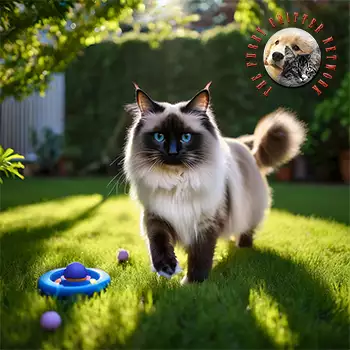

Responsible Ragdoll breeding begins long before a queen and stud are ever introduced. Both cats should be fully health-screened, with documentation of negative results for feline leukemia virus and feline immunodeficiency virus, up-to-date vaccinations, and a clean bill of health from a thorough veterinary examination. Breed-specific genetic testing is essential — at minimum, both parents should be screened for hypertrophic cardiomyopathy via echocardiography and, where available, DNA testing for known HCM-associated mutations.
Ragdolls should not be bred before they have reached physical and emotional maturity. While a female cat may experience her first estrus cycle as early as five or six months, breeding at this age places undue strain on a body that is still growing. Most reputable breeders wait until the queen is at least eighteen months to two years old and has been confirmed healthy through screening. The stud should also be fully mature, health-tested, and of sound temperament.
Pedigree analysis is a critical component of breeding preparation. Studying the lineages of both the prospective queen and stud helps identify potential issues with inbreeding coefficients and ensures that the pairing is likely to produce healthy offspring that conform to the breed standard. Ragdoll color genetics — involving the colorpoint, mitted, and bicolor patterns — add a layer of complexity that requires familiarity with inheritance patterns.
Before proceeding, every prospective breeder should have a clear plan for placing kittens in responsible homes. This includes contracts, health guarantees, and a commitment to take back any kitten at any point in its life if the adopter can no longer provide care. Breeding without a placement plan contributes to overpopulation and is inconsistent with responsible stewardship of the breed.