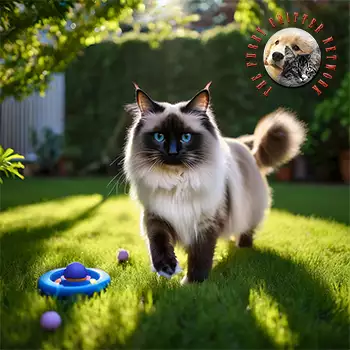

A Ragdoll reaches full physical maturity between three and four years of age, entering a prime period that can last well into the cat's tenth year with proper care. During these adult years, the foundation you set through routine veterinary visits, preventive care, and attentive observation pays its greatest dividends. A healthy adult Ragdoll is a striking animal — large, muscular beneath its plush coat, with vivid blue eyes and a calm, steady presence.
Annual wellness examinations are the cornerstone of adult health maintenance. These visits allow your veterinarian to assess weight, dental health, heart function, and overall body condition. Ragdolls are predisposed to hypertrophic cardiomyopathy, the most common heart disease in cats, and regular auscultation combined with periodic echocardiography provides the best chance of early detection. Discuss an appropriate cardiac screening schedule with your veterinarian based on your cat's family history.
Keep vaccinations current according to your veterinarian's recommended schedule. Core vaccines for indoor cats typically include feline panleukopenia, calicivirus, and rhinotracheitis, with rabies vaccination required by law in most jurisdictions. Parasite prevention — even for strictly indoor cats — should include a regular flea and intestinal parasite protocol, as fleas and other organisms can enter the home on shoes, clothing, or other pets.
Maintain a consistent daily routine. Ragdolls are creatures of habit that thrive on predictability. Regular feeding times, play sessions, and quiet companionship contribute to emotional stability, which in turn supports physical health. Stress in cats is a significant contributor to conditions ranging from urinary issues to overgrooming, and the Ragdoll's sensitive nature makes routine especially important.