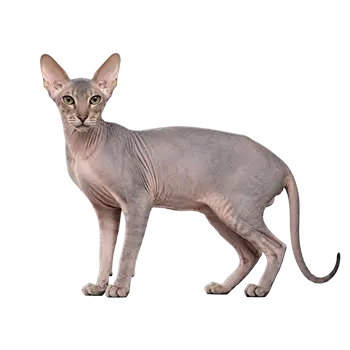

The First 24 Hours

Peterbald kittens arrive into the world remarkably fragile, and their first day of life sets the tone for everything that follows. Because this breed can range from completely hairless to having a fine brush coat, newborns are especially vulnerable to temperature loss immediately after birth. The queen will typically lick each kitten vigorously to stimulate breathing and circulation, and she should be allowed to do so without unnecessary interference. Observing quietly from a short distance is the best approach during the first few hours.

Within the first hour, each kitten should find its way to a nipple and begin nursing. This initial feeding delivers colostrum, which is packed with maternal antibodies essential for immune protection during the first weeks. Kittens that fail to latch within two hours may need gentle repositioning toward the nipple or, in rare cases, supplemental feeding under veterinary guidance. Keep a close eye on any kitten that seems unusually lethargic or is being pushed away from the group.

The birthing area should be clean, draft-free, and maintained at a warm ambient temperature. Peterbald kittens with minimal or no coat coverage lose body heat far more rapidly than coated breeds, so the whelping box should be kept between 85 and 90 degrees Fahrenheit during the first week. A heating pad set on low beneath one half of the box allows kittens to move toward or away from the warmth as needed. Avoid placing heat sources where the queen might overheat, as she needs to remain comfortable enough to stay with her litter.

During the first 24 hours, count the kittens and note any visible abnormalities. Check that each kitten has a clear airway and is breathing without distress. Weigh each one individually using a kitchen scale and record the weight, as daily tracking will become your most reliable indicator of healthy development. Contact your veterinarian if any kitten loses weight in the first day or shows signs of respiratory difficulty.

Nursing & Nutrition

Nursing is the cornerstone of a Peterbald kitten's early life, providing not just calories but also hydration, immune support, and the comfort of warmth from the queen's body. Healthy kittens will nurse every one to two hours around the clock during the first week, gradually stretching intervals as their stomachs grow. You should hear a faint clicking or suckling sound during feeding, which indicates a proper latch. Kittens that cry persistently or seem restless after nursing may not be getting enough milk.

If the queen's milk supply is insufficient or she is unable to nurse, kitten milk replacer formulated specifically for cats should be used. Never substitute cow's milk or other dairy products, as these can cause severe digestive distress. Bottle-feeding orphaned or supplemented kittens requires careful technique — hold the kitten belly-down at a slight incline and allow it to suckle at its own pace to prevent aspiration. Feedings should occur every two to three hours, including through the night, during the first two weeks.

As kittens approach three to four weeks of age, you can begin introducing a thin gruel made from high-quality kitten wet food mixed with warm water or milk replacer. This weaning transition should be gradual, allowing the kittens to explore the food at their own pace while still nursing from the queen. By five to six weeks, most Peterbald kittens will be eating softened solid food regularly, and nursing sessions will become shorter and less frequent.

Monitor weight gain closely throughout the nursing period. A healthy Peterbald kitten should gain approximately 10 to 15 grams per day during the first two weeks. Kittens that plateau or lose weight for more than a day need immediate attention. Keep a simple log of daily weights for each kitten, as this objective data is far more reliable than visual assessment alone when detecting early problems.

Developmental Milestones

Peterbald kittens are born with their eyes sealed shut and their ear canals closed, relying entirely on touch, warmth, and scent to navigate their tiny world. Eyes typically begin to open between seven and fourteen days of age, though the process can take a couple of days to complete. The initial eye color is usually blue and will change over the coming weeks. Ears begin opening around the same time, and by three weeks kittens will start responding to sounds in their environment.

Between two and three weeks of age, kittens begin attempting to stand and take wobbly steps. This is a critical period for motor development, and the whelping area should provide a surface with enough traction for tiny paws to grip. Peterbald kittens at this stage may also begin showing the first hints of their adult coat pattern — or lack thereof. Some kittens born with a light fuzz may begin losing it, while others may retain a fine brush texture. The coat gene in Peterbalds is progressive, so what you see at birth is not necessarily what you will see at maturity.

By four weeks, kittens are walking with increasing confidence, beginning to play with littermates, and showing interest in their surroundings beyond the nesting box. This is when they start developing basic social behaviors — pouncing, batting, and mock wrestling with siblings. Teeth begin erupting around three to four weeks, which coincides with the introduction of solid food. By six weeks, kittens should be mobile, playful, and beginning to use a shallow litter box introduced near their nesting area.

At eight weeks, most Peterbald kittens have well-developed coordination, are fully weaned, and are engaging in complex play behaviors. They are increasingly independent but still benefit enormously from remaining with their mother and siblings. Most responsible breeders will not release kittens to new homes before twelve to fourteen weeks of age, as the social learning that occurs during this extended period is vital for producing a well-adjusted adult cat.

Temperature & Environment

Temperature regulation is arguably the single most critical factor in Peterbald newborn care. Because many Peterbald kittens are born hairless or with only a sparse covering of fine hair, they cannot retain body heat the way coated breeds can. A kitten that becomes chilled will stop nursing, grow lethargic, and decline rapidly. The ambient temperature in the whelping area should be maintained at 85 to 90 degrees Fahrenheit during the first week, gradually decreasing to around 80 degrees by the end of the second week, and 75 degrees by the fourth week.

Use a reliable thermometer placed at kitten level inside the whelping box to monitor conditions accurately. Overhead room temperature readings can be misleading, as the microclimate at floor level may differ significantly. A heating pad placed beneath one half of the bedding allows kittens to self-regulate by crawling toward or away from the heat source. Avoid heat lamps positioned directly above the box, as these can cause dehydration and are difficult to regulate precisely.

The whelping area should be located in a quiet, low-traffic part of the home where the queen feels secure. Excessive noise, foot traffic, or the presence of other animals can cause the mother stress, which may lead her to neglect or relocate the kittens. The box itself should have sides high enough to contain the kittens but low enough for the queen to step in and out comfortably. Soft, washable bedding that does not snag on delicate hairless skin is ideal — avoid terry cloth or loosely woven fabrics that can catch tiny claws or abrade exposed skin.

Air quality matters as well. Avoid using strong cleaning products, air fresheners, or scented candles near the nursery area. Peterbald kittens with minimal coat coverage have skin that is more directly exposed to environmental irritants. Keep the bedding clean and dry, changing it at least once daily, and ensure the room has gentle air circulation without direct drafts.

Early Socialization

Socialization in Peterbald kittens begins surprisingly early, and the groundwork laid during the neonatal period has lasting effects on temperament. During the first two weeks, while kittens are still blind and deaf, gentle daily handling by human caregivers helps them become accustomed to the scent and touch of people. Keep handling sessions brief — just a minute or two per kitten — and always ensure your hands are warm, as cold hands on hairless skin can be startling and unpleasant.

Between three and seven weeks of age, kittens enter the primary socialization window, during which they are most receptive to new experiences. Introduce a variety of gentle sounds, textures, and supervised human interactions during this period. The naturally social and people-oriented temperament of the Peterbald breed means these kittens tend to respond enthusiastically to attention, but the socialization process should never be forced. Let kittens approach new stimuli at their own pace and always provide the option to retreat to the safety of the nesting area.

Exposure to household sounds such as televisions, conversation, kitchen activity, and gentle music helps kittens acclimate to the rhythms of domestic life. If the litter is being raised in a breeding environment, brief and supervised visits from calm, trusted individuals outside the immediate household can broaden the kittens' comfort with unfamiliar people. Children should be supervised closely and taught to handle kittens with extreme gentleness.

Interaction with littermates during this stage is equally important. Kittens learn bite inhibition, play boundaries, and feline social cues through wrestling and play with their siblings. Singleton kittens or those separated early from the litter may need extra attention to develop these skills. The queen also plays a teaching role, gently correcting overly rough behavior and modeling calm responses to everyday stimuli.

Health Screening & Vet Visits

A veterinary examination within the first few days of life is highly recommended for all Peterbald litters, particularly to assess overall health, check for congenital abnormalities, and confirm that each kitten is nursing effectively. The veterinarian will listen to each kitten's heart and lungs, check for cleft palate, and evaluate hydration and body condition. This initial visit also establishes a baseline weight and health record that will be invaluable for tracking development.

Deworming protocols typically begin around two weeks of age, with follow-up treatments at regular intervals as recommended by your veterinarian. Internal parasites are common in young kittens and can cause significant setbacks in growth and overall health if left untreated. Your vet will advise on the appropriate product and dosage based on the kittens' weights and ages.

The first vaccinations are generally administered between six and eight weeks of age, targeting core diseases such as feline panleukopenia, calicivirus, and rhinotracheitis. Your veterinarian will outline a vaccination schedule that includes booster shots at three- to four-week intervals until the series is complete. Kittens should be kept indoors and away from unvaccinated cats until their vaccination series is finished, as their developing immune systems are highly susceptible to infectious disease.

Because Peterbalds can carry genes associated with certain dental and skin conditions, discuss breed-specific health screening with your veterinarian early on. Some kittens may develop skin sensitivities or irritation related to their hairless or partially coated condition, and your vet can recommend appropriate skincare routines. Establishing a relationship with a veterinarian who is familiar with hairless and partially coated breeds will serve you well throughout the cat's life.

When to Worry

Newborn Peterbald kittens can go from thriving to critical in a matter of hours, so recognizing the warning signs early is essential. Any kitten that stops nursing, cries persistently, or feels noticeably cooler than its littermates should be evaluated immediately. Hypothermia is one of the most common and dangerous emergencies in hairless newborns, and a chilled kitten must be warmed gradually before any attempt at feeding, as a cold kitten cannot properly digest milk.

Weight loss or failure to gain weight for more than 24 hours is a red flag that should not be ignored. While minor fluctuations can occur, a consistent downward trend indicates that the kitten is not receiving adequate nutrition or may be developing an illness. Diarrhea, which can quickly lead to life-threatening dehydration in tiny kittens, also warrants prompt veterinary attention. Note the color, consistency, and frequency of stools when reporting to your vet.

Respiratory distress — including open-mouth breathing, wheezing, or bubbling sounds from the nose — is always an emergency in neonatal kittens. Upper respiratory infections can sweep through a litter rapidly and become fatal without treatment. Similarly, any discharge from the eyes before they have opened naturally, or excessive swelling of the closed eyelids, should be brought to your veterinarian's attention as it may indicate infection.

Skin issues deserve special vigilance in the Peterbald breed. Newborns with little or no coat coverage may develop redness, flaking, or small blisters if the environment is too dry, too warm, or if bedding materials are irritating their skin. While minor skin roughness is common and usually resolves as the kitten grows, any open sores, weeping areas, or signs of infection require veterinary care. Trust your instincts — if something about a kitten's appearance or behavior seems off, it is always better to consult your veterinarian sooner rather than later.

Always consult a qualified professional before making any health-related decisions. This content is provided for informational reference only and should not replace professional guidance specific to your animal.