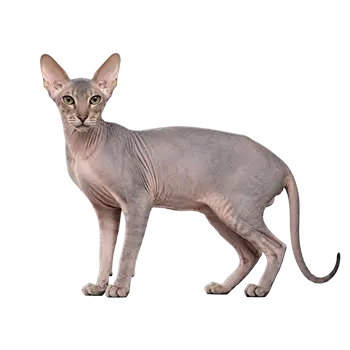

Breeding Readiness

Breeding a Peterbald responsibly begins long before a queen and stud are ever introduced. Potential breeding cats should be fully mature — at least eighteen months of age for queens and twelve months for studs — with documented health screenings that confirm they are free from inheritable conditions. The Peterbald breed carries a dominant hair loss gene that interacts in specific ways with coat genetics, and a thorough understanding of how this gene expresses across different coat types is essential for anyone considering producing a litter.

Both the queen and the stud should undergo comprehensive veterinary evaluations before breeding. These evaluations typically include blood work, infectious disease testing for feline leukemia virus and feline immunodeficiency virus, cardiac screening, and a general assessment of physical condition and structural soundness. A breeding cat should be in excellent overall health, at a healthy weight, current on vaccinations, and free of parasites. Any cat with a known hereditary health condition should not be used in a breeding program.

Beyond physical health, temperament is a vital consideration in breeding selection. The Peterbald is prized for its affectionate, social, and intelligent nature, and breeding cats should exemplify these traits. Nervous, aggressive, or excessively fearful cats should not be bred, as temperament has a strong heritable component and these traits can be passed to offspring. Evaluate potential breeding cats in a variety of situations to confirm that their temperament is stable and representative of the breed standard.

Prospective breeders should also have a clear plan for placing kittens in appropriate homes before a breeding takes place. Responsible breeding means having a waiting list or network of vetted buyers, a willingness to take back any cat at any point in its life, and the financial resources to handle complications including emergency veterinary care, supplemental feeding of kittens, and the possibility of a litter that is larger or more demanding than anticipated.

The Estrous Cycle

Female Peterbalds are seasonally polyestrous, meaning they cycle repeatedly during the breeding season, which in indoor cats with artificial lighting can extend year-round. The estrous cycle in cats consists of several stages, and recognizing the signs of each stage is essential for timing a breeding correctly. Proestrus lasts one to two days and may involve subtle behavioral changes such as increased affection, rubbing against surfaces, and mild vocalization. These signs are often easy to miss in a breed that is already highly affectionate and vocal.

Estrus — the period during which the queen is receptive to mating — typically lasts four to seven days but can extend longer. During estrus, a Peterbald queen will exhibit unmistakable behavior including loud, persistent calling, rolling on the floor, lordosis (raising the hindquarters and treading with the rear feet), and intense restlessness. She may attempt to escape outdoors and will actively seek a male. These behaviors can be dramatic and are driven entirely by hormonal changes rather than conscious decision-making.

If the queen is not bred during estrus, she will cycle out of heat and enter a period of interestrus lasting one to three weeks before cycling back into heat. This repeating cycle can continue for months and places physiological stress on the queen's body. Repeated, unproductive heat cycles without breeding are not only stressful for the cat and the household but can also contribute to reproductive health issues over time. If you do not intend to breed your Peterbald, spaying eliminates the cycle entirely and provides significant long-term health benefits.

Cats are induced ovulators, meaning that ovulation is triggered by the physical act of mating rather than occurring spontaneously as it does in some other species. Multiple matings over the course of estrus increase the likelihood of successful ovulation and conception. Breeders typically allow the queen and stud supervised access to each other for several days during the estrus period, monitoring interactions to confirm that mating has occurred.

Pregnancy & Gestation

Gestation in the Peterbald lasts approximately sixty-three to sixty-seven days from the date of successful mating, though slight variations are normal. Confirmation of pregnancy can be obtained through veterinary palpation at around three to four weeks or via ultrasound, which can also provide an estimate of litter size. Knowing the expected number of kittens helps with delivery preparation and allows you to recognize if a kitten has been retained during birth.

Nutritional demands increase significantly during pregnancy, particularly in the final three weeks when fetal growth accelerates rapidly. Transition the queen to a high-quality kitten food, which provides the elevated protein, fat, and caloric density needed to support both her health and the developing kittens. Feed smaller, more frequent meals as the growing uterus compresses the stomach and reduces its capacity. Fresh water should be available at all times, and appetite should be monitored closely — a sudden decrease in eating during the final week is normal, but a complete refusal to eat warrants veterinary consultation.

As pregnancy progresses, the queen may become less active and seek out quiet, enclosed spaces for resting. Provide a comfortable nesting box in a calm, warm area of the home well before the expected delivery date so she can become familiar with it. Line the box with soft, washable bedding that will not irritate the skin of hairless kittens. The queen should have access to a litter box that is easy to enter, as her expanding abdomen may make climbing over high sides uncomfortable.

Monitor the pregnant queen's skin condition throughout gestation. The stretching of abdominal skin in a hairless or thinly coated cat can cause dryness or discomfort. Your veterinarian may recommend a gentle, pet-safe moisturizer if the skin appears excessively dry or tight. Avoid any topical products not specifically approved for use in pregnant cats, as some ingredients can be harmful to developing kittens.

Queening Preparation

As the expected delivery date approaches, preparation becomes critical. The queening area should be set up at least two weeks before the due date in a quiet, private room where the queen feels secure and where you can monitor the process without causing stress. The nesting box should be large enough for the queen to lie comfortably on her side while nursing but enclosed enough to provide a sense of security. Sides should be high enough to contain newborn kittens but allow the queen to step in and out easily.

Assemble a queening kit well in advance that includes clean towels, a bulb syringe for clearing fluid from kitten airways if needed, hemostats or dental floss for tying umbilical cords in an emergency, a kitchen scale for weighing kittens, a thermometer, and the phone number of your veterinarian and the nearest emergency veterinary clinic. A heating pad set on low should be available to warm kittens who become separated from the queen during delivery. Having these supplies organized and accessible reduces stress during what can be an unpredictable event.

Familiarize yourself with the stages of feline labor so you know what to expect and when to intervene. Stage one involves uterine contractions and restlessness, and may last twelve to twenty-four hours. Stage two is active delivery, during which kittens are born at intervals ranging from fifteen minutes to an hour or more. Stage three is the passage of placentas, which should match the number of kittens delivered. Keep count of both kittens and placentas, as a retained placenta can cause serious infection.

Know the warning signs that indicate a veterinary emergency during delivery. These include active straining for more than thirty minutes without producing a kitten, a visible kitten stuck in the birth canal, green or foul-smelling discharge before the first kitten is born, the queen becoming unresponsive or extremely lethargic, and more than four hours between kittens when you know more remain. Do not hesitate to contact your veterinarian or emergency clinic at any point during delivery if something seems wrong.

Postpartum Care

The hours and days immediately following delivery are critical for both the queen and her kittens. Once all kittens have been delivered and the queen has settled, perform a quiet assessment: count the kittens, confirm that each is breathing and nursing, and verify that the number of expelled placentas matches the number of kittens. The queen should be alert, attentive to her litter, and willing to eat and drink within a few hours of completing delivery.

The queen's nutritional needs are at their highest during lactation, exceeding even the demands of late pregnancy. Continue feeding a high-quality kitten food in generous amounts — a nursing queen may consume two to three times her normal caloric intake. Provide food and water within easy reach of the nesting box so she does not have to leave her kittens for extended periods. Monitor her body condition carefully, as the demands of nursing a litter can cause rapid weight loss if caloric intake is insufficient.

Vaginal discharge is normal for the first one to three weeks after delivery and should be reddish-brown in color, gradually decreasing in volume. Discharge that is bright red, green, foul-smelling, or that continues beyond three weeks may indicate infection or a retained placenta and requires immediate veterinary attention. Monitor the queen's mammary glands daily for signs of mastitis, which presents as swelling, redness, hardness, or heat in one or more glands. A queen with mastitis may refuse to nurse and may develop a fever.

Allow the queen to manage her kittens with minimal interference during the first week, stepping in only when a kitten appears to be in distress or is not nursing. Handle kittens gently and briefly for daily weighing and health checks, returning them to the queen promptly. The bonding period between mother and kittens is essential for healthy development, and the queen's instincts are generally the best guide during the early postpartum days.

Responsible Breeding Ethics

Responsible Peterbald breeding extends far beyond producing healthy kittens — it encompasses a commitment to improving the breed, supporting kitten buyers throughout the cat's lifetime, and making honest assessments about when and whether to breed. Every breeding decision should be guided by the goal of producing kittens that are healthier, better-tempered, and more representative of the breed standard than their parents. Breeding simply to produce kittens for sale, without regard for genetic health and breed improvement, is contrary to responsible practice.

The genetics of the Peterbald's hair loss gene deserve particular attention from anyone involved in breeding this breed. The dominant nature of the gene means that crosses between two hairless Peterbalds can produce kittens with varying coat types. Understanding the expected outcomes of different pairings — and being prepared to place all coat types in appropriate homes — is a fundamental responsibility. Breeders should also be aware of the breed's foundation crosses with Oriental Shorthairs and Siamese, and understand how these lineages affect type, temperament, and health.

Every kitten produced should have a committed home waiting for it, and responsible breeders include in their contracts a clause requiring the cat to be returned to the breeder if the owner can no longer keep it at any point in the cat's life. Screening potential buyers through conversations, questionnaires, and sometimes home visits helps ensure that kittens are placed in environments where they will receive appropriate care. Pet-quality kittens should be sold on spay and neuter agreements to prevent unplanned breeding by inexperienced owners.

Financial preparedness is a non-negotiable aspect of ethical breeding. Emergency cesarean sections, supplemental feeding of orphaned or rejected kittens, treatment of postpartum complications, and comprehensive veterinary care for the entire litter can result in significant expenses that may exceed the income from kitten sales. A responsible breeder enters the process with the understanding that breeding should be driven by a passion for the breed and a commitment to its future, not by the expectation of profit.

Always consult a qualified professional before making any health-related decisions. This content is provided for informational reference only and should not replace professional guidance specific to your animal.