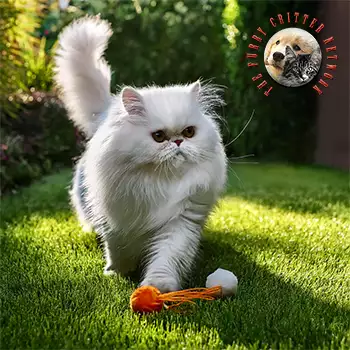

Growth & Physical Development

The juvenile period for a Persian cat spans roughly from three months to one year of age, though Persians are notably slow to mature and may not reach their full physical development until two years or even later. During this phase, the kitten's body transitions from the round, compact proportions of infancy to the sturdy, cobby build characteristic of the breed. Bone growth, muscle development, and the gradual filling out of the chest and shoulders all occur during this extended adolescence.

Persians grow at a moderate pace compared to some other breeds, and it is important not to rush their development through overfeeding. A healthy juvenile Persian will gain weight steadily without accumulating excess fat. Regular weigh-ins, ideally every two weeks, help you track growth trends and catch any sudden changes that might indicate a health concern or nutritional imbalance.

One of the most dramatic changes during this period is the development of the Persian's iconic coat. The kitten fluff gradually gives way to the dense, flowing adult coat, often passing through an awkward transitional stage where the fur appears uneven or patchy. This is entirely normal and simply reflects the natural shedding of baby fur as the mature coat grows in beneath it.

Persian kittens also undergo significant facial development during the juvenile stage. The characteristic flat face and large, round eyes become more defined as the skull reaches its adult proportions. Monitoring breathing and tear drainage during this period is important, as the brachycephalic structure can contribute to tear staining and occasional respiratory sounds that may require attention.

Nutrition & Diet Transition

Transitioning from kitten food to a diet appropriate for a growing juvenile Persian requires careful attention to both nutritional content and feeding practices. High-quality kitten food should remain the primary diet through the first twelve months, as it provides the elevated protein, fat, and calorie levels that support rapid growth and development. Look for foods with animal-based protein as the first ingredient and appropriate levels of taurine, an essential amino acid for feline heart and eye health.

Persians can be prone to digestive sensitivity, so dietary changes should always be made gradually over seven to ten days, mixing increasing proportions of the new food with decreasing amounts of the old. Sudden diet changes frequently trigger gastrointestinal upset, including vomiting and diarrhea, which can be particularly troublesome for long-coated breeds where hygiene around the hindquarters becomes a concern.

Fresh water should be available at all times, and many Persians show a preference for running water from a pet fountain, which can encourage better hydration. Adequate water intake supports kidney function, which is especially relevant for a breed with a genetic predisposition to renal conditions. Some owners supplement with wet food to increase overall moisture intake, which is a sound practice.

Feeding schedules during the juvenile period typically involve three meals per day, gradually transitioning to twice-daily feedings as the cat approaches one year of age. Avoid free-feeding dry food, as Persians have a tendency toward weight gain that can be exacerbated by unrestricted access to calorie-dense kibble. Portion control from an early age establishes healthy eating habits that benefit the cat throughout its life.

Behavioral Changes

Juvenile Persians display a fascinating blend of kitten playfulness and the calm, dignified demeanor that defines the breed in adulthood. While they are generally less hyperactive than many other cat breeds during adolescence, they still experience bursts of energy that manifest as spirited play sessions, sudden sprinting through the house, and enthusiastic pouncing on toys or unsuspecting housemates.

As hormonal changes begin around five to six months of age, you may notice shifts in behavior that signal approaching sexual maturity. Unneutered males may begin spraying urine to mark territory, becoming more restless and vocal. Unspayed females may exhibit their first heat cycle, characterized by increased vocalization, rolling on the floor, and elevated affection-seeking behavior. These changes are natural but can be managed through timely spaying or neutering.

Persians are creatures of habit, and the juvenile period is when many of their lifelong preferences and routines begin to solidify. A young Persian that develops a favorite sleeping spot, a preferred play style, or a particular bonding ritual with a family member is establishing patterns that will likely persist into adulthood. Encouraging positive habits during this formative time pays dividends for years to come.

Some juvenile Persians may display occasional stubbornness or selective hearing, which is a normal part of feline adolescence rather than a training failure. Patience and consistency are far more effective than any form of punishment. Persians are sensitive cats that respond poorly to harsh correction and may become fearful or withdrawn if disciplined too aggressively.

Training Priorities

Training a juvenile Persian centers on establishing reliable litter box habits, appropriate scratching behavior, and comfortable handling routines that will make grooming and veterinary visits far less stressful for both cat and owner. Persians are intelligent cats that learn well through positive reinforcement, though they may not display the eager-to-please responsiveness seen in some other breeds.

Litter box training is typically straightforward with Persians, as most kittens learn from their mothers before leaving the breeder. Providing at least one more litter box than the number of cats in the household, placed in quiet and accessible locations, helps prevent elimination issues. Persians often prefer unscented, fine-grained litter and may be deterred by strong fragrances or rough textures underfoot.

Grooming training is arguably the most critical training priority for a juvenile Persian. Daily brushing and combing sessions should be introduced early and kept brief and positive, gradually increasing in duration as the kitten becomes accustomed to the process. Teaching your Persian to accept having its face cleaned, eyes wiped, and ears inspected during kittenhood prevents significant grooming battles when the full adult coat arrives and daily maintenance becomes non-negotiable.

Scratching is a natural and necessary feline behavior that should be redirected rather than suppressed. Provide multiple scratching surfaces in a variety of orientations, including vertical posts and horizontal pads, and reward your kitten for using them. Strategic placement near sleeping areas and room entrances aligns with natural scratching patterns and helps protect furniture without creating conflict.

Exercise & Activity

Persians are not among the most athletically driven cat breeds, but juvenile Persians still need regular play and physical activity to support healthy growth, maintain appropriate weight, and stimulate their minds. Two to three dedicated play sessions per day, each lasting 10 to 15 minutes, provide sufficient exercise for most adolescent Persians and help channel their energy into appropriate outlets.

Interactive toys that mimic prey movements, such as feather wands and small plush toys dragged along the floor, tend to engage Persians more effectively than high-energy toys designed for more athletic breeds. Puzzle feeders and treat-dispensing toys offer mental stimulation that is equally important for this intelligent breed. Rotating toys regularly prevents boredom and keeps play sessions fresh and engaging.

Climbing structures and cat trees provide valuable vertical space and exercise opportunities, though Persians typically prefer moderate heights rather than towering cat trees. A sturdy tree with wide, padded platforms at comfortable jumping distances suits the Persian's build and temperament far better than a tall, narrow structure designed for agile climbers. Window perches are also popular with Persians, who enjoy watching outdoor activity from a comfortable vantage point.

While encouraging activity is important, be mindful of the brachycephalic factor during vigorous play. Persians can overheat more quickly than longer-nosed breeds and may show signs of respiratory effort during extended high-energy sessions. Allow rest breaks during play and ensure the environment is comfortably cool. If you notice excessive panting, open-mouth breathing, or noisy respiration during play, slow the pace and consult your veterinarian.

Spay/Neuter Considerations

The decision to spay or neuter a juvenile Persian is one of the most impactful health choices an owner makes during this life stage. Most veterinarians recommend the procedure between five and six months of age, before the onset of sexual maturity, though your veterinarian may suggest an adjusted timeline based on your individual cat's development and health status.

Spaying a female Persian eliminates the risk of ovarian and uterine cancers and greatly reduces the risk of mammary tumors, particularly when performed before the first heat cycle. It also prevents pyometra, a potentially life-threatening uterine infection. For males, neutering eliminates the risk of testicular cancer, significantly reduces territorial spraying behavior, and tends to produce a calmer, more sociable companion.

Persians require careful anesthetic management due to their brachycephalic anatomy, which can complicate airway maintenance during sedation. Choosing a veterinary team experienced with flat-faced breeds is strongly advisable. Pre-surgical bloodwork helps identify any underlying conditions that might affect anesthetic safety, including early indicators of the kidney issues to which Persians are predisposed.

Post-surgical recovery for Persians is typically smooth, with most cats returning to normal activity levels within a few days. Preventing the cat from licking or chewing the incision site is important, and a recovery suit or properly fitted cone should be used until the sutures are healed. Monitor the incision daily for signs of redness, swelling, or discharge, and contact your veterinarian if anything appears abnormal.

Socialization & Exposure

Continued socialization during the juvenile period builds on the foundation established in early kittenhood and helps ensure your Persian develops into a confident, well-adjusted adult. While the primary socialization window closes around seven weeks, young cats remain impressionable and benefit enormously from ongoing positive exposure to new people, environments, sounds, and experiences throughout their first year.

Introduce your juvenile Persian to visitors of varying ages, appearances, and energy levels, always ensuring the cat has the option to retreat to a safe space if it feels overwhelmed. Persians tend to be naturally reserved with strangers but warm up quickly when given time and space to observe before engaging. Forcing interaction on a reluctant cat is counterproductive and can reinforce fearful behavior.

Carrier training is an often-overlooked aspect of socialization that pays tremendous dividends throughout the cat's life. Leave the carrier out in the home as a familiar piece of furniture rather than something that only appears before stressful veterinary visits. Placing treats and bedding inside encourages the cat to view the carrier as a safe retreat, making transport far less traumatic for everyone involved.

If you have other pets in the household, carefully managed introductions and ongoing supervised interactions during the juvenile period help establish harmonious relationships. Persians generally coexist well with other calm animals but may become stressed by overly boisterous dogs or highly energetic cat companions. Providing each pet with its own resources, including food bowls, litter boxes, and resting areas, prevents competition-related stress and allows your Persian to engage with housemates on its own terms.

Always consult a qualified professional before making any health-related decisions. This content is provided for informational reference only and should not replace professional guidance specific to your animal.