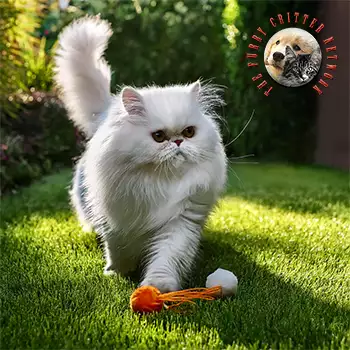

Peak Health Maintenance

The adult years of a Persian cat, spanning roughly from two to ten years of age, represent the longest and most stable period of the cat's life. During this time, the focus shifts from the rapid growth and development of youth to the sustained maintenance of optimal health through consistent, proactive care. A well-managed adult Persian is a picture of serene beauty, with a flowing coat, clear eyes, and a calm, contented demeanor.

Annual veterinary examinations are the cornerstone of adult health maintenance. These wellness visits allow your veterinarian to assess overall body condition, monitor weight trends, evaluate dental health, and screen for early indicators of conditions common to the breed. Bloodwork panels that include kidney and liver values, thyroid function, and a complete blood count provide a baseline that makes it far easier to detect subtle changes over time.

Polycystic kidney disease remains one of the most significant health concerns for adult Persians. If your cat has not been genetically tested, discuss screening options with your veterinarian. Ultrasound examination can detect the presence of renal cysts, and early identification allows for dietary and medical management strategies that can slow disease progression and maintain quality of life for years.

Maintaining a consistent daily routine supports both the physical and emotional health of an adult Persian. These cats thrive on predictability, and disruptions to their environment or schedule can trigger stress-related behaviors and even physical symptoms such as urinary issues or appetite changes. A stable home environment with regular feeding times, play sessions, and quiet companionship aligns perfectly with the Persian temperament.

Nutrition at Maturity

Nutritional needs shift as a Persian transitions from the calorie-dense diet of kittenhood to the maintenance requirements of adulthood. A high-quality adult cat food with animal-based protein as the primary ingredient supports lean muscle mass while managing caloric intake to prevent obesity, which is a common concern for this relatively sedentary breed. The transition from kitten to adult food should occur gradually around twelve to eighteen months of age.

Persians benefit from a diet that supports both urinary tract health and kidney function. Foods formulated with controlled mineral levels, appropriate phosphorus content, and added omega-3 fatty acids address several breed-specific nutritional priorities simultaneously. Many veterinary nutritionists recommend incorporating wet food as a substantial portion of the daily diet, as the additional moisture supports kidney health and urinary dilution.

Portion control is essential for maintaining a healthy body weight throughout the adult years. An adult Persian typically requires between 200 and 300 calories per day, depending on size, activity level, and metabolic rate, though your veterinarian can provide a more precise recommendation for your individual cat. Measuring food portions with a kitchen scale rather than relying on scoops from the bag ensures accuracy and prevents the gradual portion creep that often contributes to weight gain.

Treat intake should be monitored and factored into the daily caloric budget. While treats are a valuable tool for bonding and positive reinforcement, they should not exceed ten percent of the cat's total daily calories. Hairball-control treats and dental treats can serve double duty by addressing grooming and oral health needs while satisfying the desire for variety.

Exercise & Fitness

Adult Persians are famously low-energy compared to many other cat breeds, but regular physical activity remains essential for maintaining a healthy weight, supporting joint function, and providing mental stimulation. The goal is not to transform your Persian into an athlete but to incorporate consistent, moderate activity that fits naturally into daily life and keeps the cat engaged and physically capable.

Interactive play sessions of 10 to 15 minutes, offered two to three times daily, provide adequate exercise for most adult Persians. Feather wands, laser pointers used responsibly with a physical toy to catch at the end, and slow-rolling balls tend to be well-received by this breed. The key is matching the toy and play style to the Persian's natural hunting preferences, which tend toward ground-level stalking and batting rather than acrobatic leaping.

Environmental enrichment supplements structured play and encourages spontaneous movement throughout the day. Window perches positioned to offer views of bird feeders or outdoor activity provide hours of visual stimulation. Cat-safe grass gardens, puzzle feeders that require manipulation to release treats, and rotating toys that appear fresh every few days keep an indoor Persian mentally engaged without demanding high-intensity physical effort.

Weight management and exercise go hand in hand, and regular body condition assessments help you stay on track. You should be able to feel your Persian's ribs with light pressure through the coat, and the cat should have a discernible waistline when viewed from above. If these landmarks become difficult to detect, increasing activity levels and reassessing portion sizes with your veterinarian is prudent before excess weight leads to secondary health concerns.

Preventive Health Care

A comprehensive preventive health program for an adult Persian addresses the breed's specific vulnerabilities while following general feline wellness guidelines. Vaccination boosters should be administered on a schedule determined by your veterinarian based on your cat's lifestyle and risk factors. Indoor-only Persians may require fewer vaccinations than cats with outdoor access, but core vaccines remain important for all cats.

Parasite prevention is relevant even for indoor Persians, as fleas, ticks, and intestinal parasites can enter the home through open doors, on clothing, or via other pets. A year-round preventive program recommended by your veterinarian protects against these risks with minimal effort. Regular fecal examinations help detect any parasitic infections that might develop despite preventive measures.

Respiratory health deserves ongoing attention in adult Persians due to their brachycephalic anatomy. Chronic tear overflow and nasal discharge are common and require daily cleaning to prevent skin irritation, staining, and secondary infections. If you notice increased nasal congestion, snoring, or any change in breathing patterns, report these to your veterinarian, as they may indicate developing airway issues or upper respiratory infections.

Heart health monitoring becomes increasingly important during the adult years, as Persians can be affected by hypertrophic cardiomyopathy. Your veterinarian may recommend periodic cardiac screening through auscultation or echocardiography, particularly if there is any family history of heart disease. Early detection of cardiac changes allows for medical management that can significantly improve long-term outcomes.

Behavioral Maturity

By the time a Persian reaches full adulthood, usually around two to three years of age, its temperament has settled into the calm, dignified personality that makes the breed so beloved. Adult Persians are typically quiet, gentle, and deeply attached to their families, preferring a serene home environment where they can enjoy comfortable surroundings and unhurried companionship.

Despite their placid reputation, adult Persians are perceptive and emotionally sensitive cats that form strong bonds with their primary caregivers. They may follow favorite family members from room to room, seek out laps for extended napping sessions, and greet their people at the door with soft chirps or trills. This quiet devotion is one of the breed's most endearing qualities and deepens with the consistent, gentle interaction they crave.

Stress management is an important aspect of caring for an adult Persian's behavioral health. Changes in the household such as new family members, moving to a new home, renovations, or the addition of other pets should be managed with care. Providing a quiet retreat space, maintaining routine as much as possible during transitions, and using calming environmental aids when appropriate can help a Persian navigate changes without developing anxiety-related behaviors.

Any sudden or unexplained changes in an adult Persian's behavior warrant attention. A previously social cat that becomes withdrawn, a calm cat that develops aggressive tendencies, or a reliable cat that begins eliminating outside the litter box may be communicating physical discomfort or emotional distress. Behavioral changes in adult cats are frequently the first visible sign of an underlying medical issue and should prompt a veterinary evaluation.

Dental & Grooming

Grooming is not optional for a Persian — it is one of the most fundamental and time-intensive aspects of daily care throughout the adult years. The long, dense coat requires thorough brushing and combing every single day to prevent the mats and tangles that can quickly escalate into painful skin problems. A wide-toothed metal comb followed by a slicker brush works through the coat systematically, and paying particular attention to the armpits, behind the ears, and along the belly prevents the most common matting sites from becoming problematic.

Bathing an adult Persian on a regular schedule, typically every four to six weeks, keeps the coat clean, reduces oil buildup that contributes to matting, and maintains the soft, flowing texture that defines the breed's appearance. Use a gentle, cat-specific shampoo and ensure thorough rinsing, as residual product trapped in the dense undercoat can cause skin irritation. Complete drying after bathing is essential, as the thick coat retains moisture that can create conditions favorable to fungal growth.

Facial grooming is a daily necessity for Persians. The brachycephalic facial structure produces chronic tear overflow that stains the fur beneath the eyes and can lead to skin fold infections if not addressed. Gently wiping the face with a soft, damp cloth or veterinary-recommended facial wipe each day keeps the area clean and comfortable. The nasal folds should also be checked and cleaned regularly to prevent moisture-related skin irritation.

Dental health requires equal attention, as Persians can be prone to periodontal disease and tooth resorption. Daily tooth brushing with a feline-specific enzymatic toothpaste is the gold standard for dental care. If brushing proves too challenging, dental treats, water additives, and regular professional dental cleanings performed by your veterinarian help maintain oral health and prevent the pain and systemic complications that accompany advanced dental disease.

Always consult a qualified professional before making any health-related decisions. This content is provided for informational reference only and should not replace professional guidance specific to your animal.