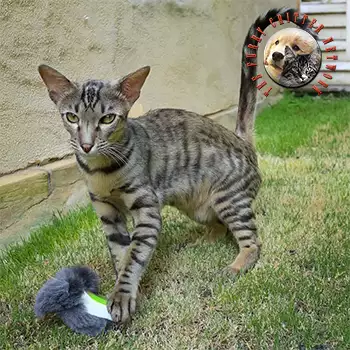

Breeding Readiness

Breeding an Oriental Longhair responsibly requires thorough preparation that begins long before a mating is arranged. Both the queen and the stud should be at least eighteen months old before breeding is considered, allowing for full physical and emotional maturity. While Oriental Longhairs may reach sexual maturity as early as five months of age, breeding a cat before its body has fully developed increases the risk of complications during pregnancy and delivery and may compromise the health of both mother and kittens.

Pre-breeding health screening is essential. Both prospective parents should undergo a comprehensive veterinary examination that includes bloodwork, urinalysis, and screening for feline leukemia virus and feline immunodeficiency virus. Genetic testing for conditions known to occur in Oriental lines, including progressive retinal atrophy and the genes associated with amyloidosis, should be completed and results evaluated before any breeding decision is made. Responsible breeders share health screening results openly and select pairings that minimize the risk of passing hereditary conditions to offspring.

Evaluate the temperament and conformation of both cats against the breed standard. The goal of responsible breeding is to produce kittens that embody the best qualities of the Oriental Longhair: the elegant, tubular body, large expressive ears, wedge-shaped head, silky semi-long coat, and the sociable, intelligent temperament that defines the breed. Breeding cats that deviate significantly from the standard or that carry serious temperament flaws does a disservice to the breed and to the families that will adopt the resulting kittens.

Practical preparations include securing homes for the expected kittens before breeding takes place, establishing a relationship with a veterinarian experienced in feline reproduction, and setting aside financial reserves for potential complications. Breeding is expensive, and unexpected veterinary emergencies including cesarean sections can arise. A responsible breeder enters the process with both the knowledge and the resources to handle any outcome.

The Estrous Cycle

Oriental Longhair queens are seasonally polyestrous, meaning they cycle repeatedly during the breeding season, which in indoor cats exposed to artificial lighting can extend throughout the entire year. The estrous cycle in this breed is notable for its intensity and frequency. An unspayed Oriental Longhair may enter heat every two to three weeks, and the behavioral signs are unmistakable: loud, persistent calling that can last for days, restless pacing, rolling on the floor, lordosis posture when the lower back is stroked, and increased affection directed at both humans and objects.

The cycle consists of several stages. Proestrus lasts one to two days, during which the queen may become more affectionate and vocal but will not yet accept a male. Estrus, the receptive phase, lasts four to ten days in Oriental Longhairs and is the window during which mating can occur. If mating does not take place, the queen enters interestrus, a rest period of one to three weeks before the cycle repeats. Cats are induced ovulators, meaning ovulation is triggered by the physical act of mating rather than occurring spontaneously.

Timing the introduction of the queen to the stud requires attention to behavioral cues. The queen should be transported to the stud's location once clear estrus behavior is observed, as the stress of travel can temporarily suppress signs of heat. Allow the cats time to become acquainted through a barrier before permitting direct contact. Multiple matings over two to three days increase the likelihood of conception and help ensure adequate hormonal stimulation to trigger ovulation.

Keep detailed records of breeding dates, behavioral observations, and any matings witnessed. These records are essential for calculating the expected due date and for providing your veterinarian with accurate information during prenatal care. The average gestation period for cats is sixty-three to sixty-seven days, so precise breeding dates allow you to prepare for delivery within a predictable timeframe.

Pregnancy & Gestation

Pregnancy in an Oriental Longhair typically lasts sixty-three to sixty-seven days from the date of successful mating. Confirmation of pregnancy can be obtained through veterinary palpation at approximately twenty-one to twenty-eight days, or through ultrasound, which can also estimate litter size and confirm fetal viability. Radiography becomes useful in the final week of gestation for obtaining an accurate count of kittens by visualizing skeletal structures.

Nutritional demands increase significantly during pregnancy. Transition the queen to a high-quality kitten formula food by the third or fourth week of gestation, as it provides the elevated protein, fat, and caloric content needed to support fetal development and the queen's own health. Feed smaller, more frequent meals as the growing uterus compresses the stomach in the later weeks of pregnancy. Fresh water should be available at all times, and the queen's intake will naturally increase.

Physical changes become visible around the fourth week, starting with a slight rounding of the abdomen and pinking of the nipples. By the fifth week, weight gain is noticeable, and the queen's appetite typically increases substantially. During the final two weeks of pregnancy, the abdomen becomes markedly enlarged, and you may be able to see and feel fetal movement. The queen may become more sedentary and seek out quiet, enclosed spaces as her instinct to find a nesting site strengthens.

Monitor the pregnant queen closely for any signs of complications. Vaginal discharge at any color other than clear, sudden loss of appetite in the final trimester, lethargy, fever, or signs of pain warrant immediate veterinary attention. While most Oriental Longhair pregnancies proceed without incident, awareness of potential complications such as eclampsia, fetal resorption, and dystocia allows for rapid response if problems arise.

Queening Preparation

Prepare a queening area approximately two weeks before the expected due date. Choose a quiet, warm room away from household traffic where the queen can feel secure. A large, sturdy box or purpose-built queening pen lined with soft, washable bedding serves as the birthing space. The sides should be high enough to contain the kittens as they grow but low enough for the queen to enter and exit easily.

Assemble a queening kit that includes clean towels, hemostats for clamping umbilical cords if needed, sterile scissors, unwaxed dental floss for tying off cords, a bulb syringe for clearing airways, a kitchen scale for weighing kittens, a heating pad set on low, and your veterinarian's emergency contact number. Having these supplies organized and accessible before labor begins prevents frantic searching during the delivery.

Familiarize yourself with the stages of feline labor. Stage one involves nesting behavior, restlessness, panting, and sometimes vocalization. This stage can last twelve to twenty-four hours and ends when active contractions begin. Stage two is the active delivery of kittens, with each kitten typically arriving fifteen to sixty minutes apart, though longer intervals are not uncommon in large litters. Stage three is the passage of placentas, which usually follow each kitten.

Know the signs that indicate veterinary intervention is needed during delivery. Seek immediate help if the queen has been in active labor with visible straining for more than one hour without producing a kitten, if more than four hours pass between kittens when you know more remain, if the queen appears exhausted or in distress, or if a kitten appears stuck in the birth canal. Oriental Longhairs are generally competent mothers, but complications can occur in any breed, and prompt professional assistance can save lives.

Postpartum Care

In the hours immediately following delivery, focus on ensuring that every kitten is breathing, nursing, and warm. The queen will typically clean each kitten, sever the umbilical cord, and consume the placenta. While consuming the placenta is normal feline behavior, some breeders prefer to limit the number consumed to two or three, as eating too many can cause digestive upset. Count the placentas to confirm that each one has been delivered, as a retained placenta can cause serious infection.

The queen's nutritional needs during lactation are the highest of any life stage, often exceeding twice her normal caloric intake. Continue feeding kitten formula food in generous, frequent portions. Many breeders offer food on a free-choice basis during the nursing period to ensure the queen can eat whenever she feels the need. Monitor her body condition closely; a nursing queen should not lose excessive weight, and if she appears thin despite adequate food intake, consult your veterinarian.

Schedule a postpartum veterinary visit within twenty-four to forty-eight hours of delivery. The veterinarian will examine the queen for signs of retained placentas, uterine infection, or complications such as mastitis. Each kitten should be examined as well, checking for congenital abnormalities, cleft palate, and overall vigor. This early assessment establishes a baseline for monitoring the health of the entire litter.

Maintain a clean, warm, quiet environment for the queen and her litter during the first several weeks. Change bedding at least daily, keep the room temperature comfortable, and limit visitors to avoid stressing the queen. Oriental Longhair mothers are typically devoted and attentive, but they can become anxious if their nesting area is disturbed too frequently. Observe the mother's behavior to ensure she is nursing consistently, cleaning the kittens, and resting adequately between nursing sessions.

Responsible Breeding Ethics

Responsible breeding of Oriental Longhairs extends far beyond producing healthy kittens. It encompasses a commitment to improving the breed, maintaining genetic diversity, ensuring the welfare of every cat in your program, and taking lifelong responsibility for the kittens you produce. Ethical breeders screen rigorously for hereditary health conditions, breed only cats that meet the breed standard in both conformation and temperament, and prioritize the long-term health of the breed over short-term popularity or profit.

Genetic diversity is a significant concern in Oriental Longhairs, which share a relatively limited gene pool with Siamese, Balinese, and Oriental Shorthairs. Responsible breeders track pedigrees carefully and avoid line-breeding or inbreeding that concentrates deleterious genes. Outcrossing to approved breeds within the Oriental group, when permitted by the registering body, can introduce genetic vigor while maintaining breed type. Consult with experienced mentors and geneticists when planning matings to balance type with diversity.

Every kitten you produce should have a committed, screened home waiting before the breeding takes place. Develop a thorough screening process for prospective adopters that evaluates their living situation, experience with cats, understanding of the breed's needs, and commitment to lifelong care. Require a spay or neuter contract for pet-quality kittens, and include a return clause guaranteeing that you will take back any cat at any point in its life if the owner can no longer provide appropriate care.

Breeding should never be undertaken for financial gain, as the costs of responsible breeding including health testing, veterinary care, premium nutrition, registration fees, and the time investment required to raise well-socialized kittens almost always exceed the income from kitten sales. The reward of ethical breeding is the satisfaction of contributing healthy, well-adjusted cats to the breed population and placing them in homes where they will be treasured for life. If your motivation is not centered on the welfare of the cats, breeding is not the right pursuit.

Always consult a qualified professional before making any health-related decisions. This content is provided for informational reference only and should not replace professional guidance specific to your animal.