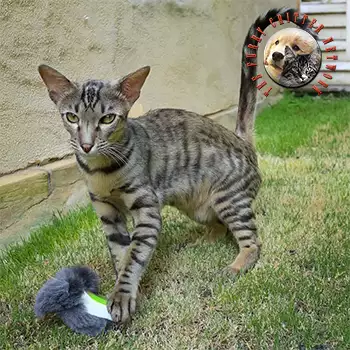

Peak Health Maintenance

An Oriental Longhair reaches full physical maturity between eighteen months and two years of age, entering a prime period that typically lasts until around age seven or eight. During these years, the breed's naturally athletic build, high energy, and robust constitution should be at their best. Maintaining peak health during this stage is largely a matter of consistent preventive care combined with attentive observation of any changes in behavior, appetite, or physical condition.

Annual veterinary examinations are the cornerstone of adult health maintenance. Even a cat that appears perfectly healthy should see a veterinarian at least once a year for a thorough physical examination, weight check, and discussion of any subtle changes the owner has noticed. Bloodwork panels performed during routine visits establish baseline values that become invaluable for comparison if health problems develop later. Core vaccinations should be kept current according to your veterinarian's recommended schedule.

Parasite prevention remains important throughout adulthood, even for exclusively indoor cats. Fleas, ticks, and intestinal parasites can enter the home on clothing, shoes, or other pets. Year-round preventive treatment is the most reliable approach. Heartworm prevention is also recommended in areas where the parasite is prevalent, as indoor cats are not completely protected from mosquito bites.

Monitor your Oriental Longhair's weight closely during the adult years. This breed should remain lean and muscular, and even modest weight gain can strain the cardiovascular system and joints. Regular weigh-ins at home, using the same scale each time, help you detect gradual changes that might otherwise go unnoticed between annual veterinary visits.

Nutrition at Maturity

Transition from kitten food to a high-quality adult cat food at around twelve months of age. Choose a product that lists a named animal protein as the first ingredient and meets the nutritional standards established by the Association of American Feed Control Officials. Oriental Longhairs have fast metabolisms relative to their size, so they may require slightly more calories per pound of body weight than heavier, less active breeds.

Two measured meals per day is the most common feeding routine for adult Oriental Longhairs. Portion size should be based on the cat's ideal body weight rather than its current weight, particularly if the cat is over or under condition. Your veterinarian can help you determine the appropriate daily caloric intake and adjust it based on activity level, metabolism, and body condition score.

A mix of wet and dry food serves this breed well. Wet food provides hydration and variety, while dry food can support dental health through the mechanical action of chewing. Oriental Longhairs tend to have definite food preferences and may become fixated on a single flavor or brand. Offering periodic variety within the same quality tier helps prevent this pickiness from becoming a problem if a favored product becomes unavailable.

Fresh, clean water should always be accessible. Many Oriental Longhairs are attracted to running water and may prefer a pet fountain over a still bowl. Adequate hydration supports kidney function, which is particularly relevant for breeds in the Siamese family that carry an elevated risk of renal issues. If your cat seems reluctant to drink, adding water to wet food or offering low-sodium broth can increase fluid intake.

Exercise & Fitness

Adult Oriental Longhairs retain much of their juvenile energy and require consistent physical and mental stimulation to remain happy and well-behaved. A bored Oriental Longhair is a destructive Oriental Longhair, and the breed's intelligence means they can find creative and often inconvenient ways to entertain themselves if their needs are not met. Plan for at least two interactive play sessions per day, each lasting fifteen to twenty minutes.

The home environment should be designed to encourage natural feline behaviors including climbing, jumping, perching, and scratching. Tall cat trees, wall-mounted shelves arranged as climbing routes, and window perches provide vertical territory that this breed craves. A well-designed vertical environment can transform a small apartment into a stimulating playground that meets the cat's need for exploration and observation.

Rotating toys and introducing new puzzle feeders on a regular basis keeps the Oriental Longhair mentally engaged. This breed excels at figuring out treat-dispensing toys and can learn to open doors, drawers, and containers with surprising determination. Channel this intelligence constructively by providing challenging enrichment rather than attempting to cat-proof every cabinet in the house.

If your lifestyle permits, consider training your Oriental Longhair for activities such as clicker training, agility courses designed for cats, or supervised leash walks. These activities provide exercise, mental stimulation, and quality bonding time that strengthens the human-cat relationship. Oriental Longhairs thrive on shared activities with their owners and often show visible enthusiasm when training sessions are initiated.

Preventive Health Care

Beyond annual examinations and vaccinations, preventive health care for adult Oriental Longhairs should include attention to breed-specific concerns inherited from their Siamese lineage. Discuss screening for progressive retinal atrophy with your veterinarian, particularly if you acquired your cat from a breeder who does not routinely test for this condition. Early detection allows for environmental modifications that help an affected cat adapt before significant vision loss occurs.

Amyloidosis, a condition in which abnormal protein deposits accumulate in organs, has been documented in Oriental and Siamese lines. While there is no routine screening test available to all owners, awareness of the condition and its symptoms, which may include lethargy, decreased appetite, increased thirst, and weight loss, enables earlier veterinary intervention. Liver and kidney function panels included in routine bloodwork can sometimes reveal early indicators.

Dental disease is one of the most common health issues in adult cats across all breeds, and Oriental Longhairs are no exception. Begin a dental care routine that includes regular tooth brushing with a cat-specific enzymatic toothpaste. Professional dental cleanings under anesthesia should be performed as recommended by your veterinarian, typically every one to three years depending on the individual cat's dental health. Untreated dental disease can lead to pain, difficulty eating, and systemic infections affecting the heart and kidneys.

Keep a close watch on your cat's urinary habits. Feline lower urinary tract disease can affect cats of any breed and tends to emerge during the adult years. Signs include straining to urinate, frequent trips to the litter box, blood in the urine, and urinating outside the box. Male cats are at higher risk for urinary obstruction, which is a medical emergency requiring immediate veterinary care.

Behavioral Maturity

By the time an Oriental Longhair reaches full adulthood, its personality is well established, though the breed retains a kitten-like playfulness and curiosity throughout life. The intense social attachment that characterizes this breed reaches its full expression during the adult years. Many Oriental Longhairs follow their preferred person from room to room, participate vocally in conversations, and insist on being involved in every household activity. This is not neediness; it is the breed functioning exactly as intended.

Vocalization is a defining trait, and adult Oriental Longhairs have an extensive repertoire of sounds ranging from soft chirps and trills to loud, insistent meows. Understanding what different vocalizations mean helps you respond appropriately and strengthens communication between you and your cat. Over time, many owners report that they and their Oriental Longhair develop a shared vocabulary of sounds and responses that feels remarkably like conversation.

Adult Oriental Longhairs that are left alone for extended periods may develop stress-related behaviors including over-grooming, excessive vocalization, and inappropriate elimination. If your schedule requires long absences, consider adopting a second cat as a companion. Oriental Longhairs generally do well with another sociable breed, and the companionship can prevent the isolation-driven anxiety that this breed is prone to developing.

Maintain the training and socialization practices established during adolescence. Adult Oriental Longhairs continue to enjoy learning new tricks and commands, and ongoing training provides mental stimulation while reinforcing the bond between cat and owner. Even simple enrichment activities such as hiding treats around the house for the cat to find engage the breed's natural intelligence and curiosity.

Dental & Grooming

The Oriental Longhair's semi-long, silky coat lacks the dense undercoat found in many longhaired breeds, which makes grooming considerably less demanding. A thorough brushing two to three times per week is usually sufficient to prevent tangles and remove loose hair. Use a stainless steel comb or a slicker brush designed for fine-textured coats. Pay particular attention to the areas behind the ears, under the front legs, and along the belly where mats are most likely to form.

Bathing is rarely necessary for this breed, as the close-lying coat tends to stay clean. If a bath becomes necessary due to a specific mess or skin condition, use a gentle cat-specific shampoo and ensure the cat is thoroughly dried afterward. Oriental Longhairs tend to be dramatic about water, so a calm, efficient approach minimizes stress for both cat and owner.

Ear cleaning should be part of the regular grooming routine. The large, open ears of the Oriental Longhair can accumulate wax and debris. Check the ears weekly and clean them with a veterinarian-approved ear cleaning solution and a cotton ball. Never insert cotton swabs into the ear canal, as this can cause injury. Dark or foul-smelling discharge may indicate an ear infection requiring veterinary treatment.

Nail trimming every two to three weeks prevents overgrowth and reduces the risk of nails snagging on fabric or scratching surfaces unintentionally. If your cat was trained to accept nail trimming during the juvenile period, this should be a quick and stress-free process. Use sharp, cat-specific nail clippers and trim only the transparent tip of each nail, avoiding the pink quick that contains blood vessels and nerves. Regular dental care including tooth brushing completes the grooming routine and supports long-term oral health.

Always consult a qualified professional before making any health-related decisions. This content is provided for informational reference only and should not replace professional guidance specific to your animal.