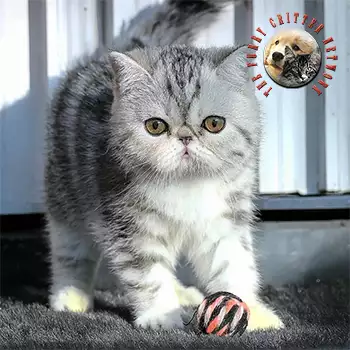

Growth & Physical Development

The juvenile phase for an Exotic Shorthair spans roughly from three months to one year of age, a period of remarkable physical transformation. During this time, kittens transition from round, clumsy bundles into more proportioned young cats, though the breed's characteristically stocky build and broad chest become increasingly apparent. Most Exotic Shorthairs will reach approximately 75 percent of their adult weight by around eight months, with full physical maturity not arriving until closer to two years.

Growth rates can vary significantly between individuals, and males generally outpace females in both weight and frame size. A healthy juvenile Exotic Shorthair will show steady, consistent gains on the scale without dramatic fluctuations. Monitoring weight on a biweekly basis helps you catch any plateaus or unexpected drops that might signal an underlying health concern.

The brachycephalic facial structure continues to develop during this period, and the characteristic flat face becomes more pronounced. Pay attention to breathing patterns as the skull matures, since some individuals may develop more noticeable respiratory sounds or mild snoring as their facial structure settles into its adult proportions. These are generally normal for the breed but should be mentioned at routine veterinary visits.

Bone and muscle development require adequate nutrition and appropriate activity levels. While Exotic Shorthairs are not as athletically driven as some breeds, they still need opportunities to move, climb, and play to develop healthy musculature. Avoid encouraging excessive jumping from heights during this growth phase, as developing joints benefit from moderate rather than extreme physical stress.

Nutrition & Diet Transition

Juvenile Exotic Shorthairs should continue eating a high-quality kitten formula diet throughout most of their first year. Kitten food is specifically formulated with higher protein and fat content along with essential nutrients like calcium and phosphorus that support ongoing skeletal and muscular development. Switching to adult food too early can deprive a growing cat of the caloric density and micronutrients it needs during this critical phase.

Feeding frequency can gradually shift from four meals per day for younger kittens to two or three meals daily by the time they reach six months. Free-feeding, where food is left out continuously, is generally not recommended for Exotic Shorthairs because the breed has a tendency toward weight gain. Their calm and sedentary disposition means they are less likely to self-regulate caloric intake compared to more active breeds.

The flat facial structure of the Exotic Shorthair creates practical feeding considerations. Shallow, wide bowls or even flat plates make it easier for these cats to pick up food without pressing their faces uncomfortably into deep dishes. Some owners find that slightly elevating the food dish also helps reduce neck strain and makes mealtime more comfortable.

Fresh water should be available at all times, and many Exotic Shorthairs show a preference for running water from a pet fountain. Adequate hydration is important for urinary tract health, which can be a concern in cats that eat primarily dry food. A combination of wet and dry kitten food is often an effective strategy for ensuring both nutritional balance and sufficient fluid intake.

Behavioral Changes

The juvenile period brings a noticeable shift in personality as your Exotic Shorthair begins to develop its adult temperament. The playful energy of early kittenhood starts to mellow somewhat, giving way to the calm and easygoing demeanor the breed is known for. However, adolescent cats can still have bursts of high energy, often manifesting as sudden sprints through the house or intense play sessions that seem to come out of nowhere.

Some juvenile Exotic Shorthairs go through a phase of testing boundaries, which may include scratching furniture, jumping on counters, or becoming more vocal during feeding times. This is a normal part of feline adolescence and responds well to consistent redirection rather than punishment. Providing appropriate outlets such as scratching posts, interactive toys, and designated climbing areas channels these behaviors productively.

Social dynamics may also shift during this stage, particularly in multi-cat households. A juvenile cat that was previously submissive may begin asserting itself, leading to brief conflicts over sleeping spots, food bowls, or access to favored perches. Ensure that resources like litter boxes, food stations, and resting areas are plentiful enough to reduce competition and territorial stress.

Separation-related behavior can sometimes emerge during adolescence, especially in a breed as people-oriented as the Exotic Shorthair. Cats that become overly distressed when left alone may benefit from environmental enrichment, puzzle feeders, and companion animals. If anxiety-related behaviors such as excessive grooming, inappropriate elimination, or destructive scratching develop, consult with your veterinarian about behavioral strategies.

Training Priorities

While cats are famously independent, Exotic Shorthairs are among the more trainable breeds thanks to their attentive and people-focused nature. The juvenile period is an ideal time to establish routines and reinforce desired behaviors. Litter box habits should be well established by this point, but if any inconsistencies arise, review the basics: clean boxes, accessible locations, and unscented litter that the cat finds agreeable.

Scratching behavior is a natural feline need, so the priority is not to eliminate it but to direct it toward appropriate surfaces. Place sturdy scratching posts near the areas where your cat tends to scratch, and reward their use with treats or gentle praise. Exotic Shorthairs respond well to positive reinforcement and are generally sensitive to harsh corrections, which can erode trust and cause fearfulness.

Carrier training is an often-overlooked priority that pays significant dividends over the cat's lifetime. Leave the carrier out as a permanent fixture with comfortable bedding inside, and occasionally toss treats into it. A cat that views its carrier as a safe resting spot rather than a signal of a stressful vet visit will be dramatically easier to transport throughout its life.

Grooming routines should become a regular part of your juvenile Exotic Shorthair's life. Although their coat is shorter and easier to maintain than a Persian's, the dense plush texture still benefits from weekly brushing. Getting your cat comfortable with being brushed, having its face cleaned around the eyes and nose folds, and tolerating nail trims during the juvenile stage establishes cooperation that becomes invaluable as the cat ages.

Exercise & Activity

Exotic Shorthairs are not known for being the most athletic cats in the feline world, but juvenile individuals still need regular physical activity to maintain a healthy weight and develop strong muscles. Interactive play sessions using feather wands, laser pointers, or tossed toys are the most effective way to engage this breed, as they tend to respond better to direct interaction with their human than to solo play.

Aim for at least two dedicated play sessions per day, each lasting 10 to 15 minutes. These sessions serve a dual purpose: they provide necessary exercise and strengthen the bond between cat and owner. Exotic Shorthairs often have a particular affinity for toys that mimic prey movement, and slow, dragging motions along the floor tend to capture their attention more effectively than fast, erratic movements.

Environmental enrichment is equally important for keeping a juvenile Exotic Shorthair mentally stimulated. Cat trees, window perches with bird-watching opportunities, and puzzle feeders that dispense kibble in small amounts encourage natural hunting and problem-solving behaviors. Rotating toys on a weekly basis helps maintain novelty and prevents boredom.

Be mindful of the breed's brachycephalic respiratory limitations during exercise. Exotic Shorthairs may become winded more quickly than cats with longer muzzles, especially during vigorous play or in warm environments. Watch for open-mouth breathing, excessive panting, or reluctance to continue playing, and allow your cat to rest when these signs appear. Keeping the home at a comfortable temperature also helps prevent exercise-related respiratory distress.

Spay/Neuter Considerations

The decision of when to spay or neuter an Exotic Shorthair is one that should be made in consultation with your veterinarian, taking into account the individual cat's health, development, and your long-term plans. Most veterinary organizations recommend spaying or neutering between four and six months of age, before the onset of sexual maturity. Cats that are not intended for a responsible breeding program benefit from early sterilization in several important ways.

Spaying a female Exotic Shorthair eliminates the risk of pyometra, a potentially life-threatening uterine infection, and significantly reduces the risk of mammary tumors when performed before the first heat cycle. Neutering a male reduces territorial spraying, roaming behavior, and aggression toward other cats. Both procedures contribute to a calmer household dynamic and eliminate the possibility of accidental litters.

Anesthetic considerations are particularly important for brachycephalic breeds like the Exotic Shorthair. Their shortened airways can make intubation slightly more challenging, and they may be more prone to respiratory complications during and after sedation. Choose a veterinary practice that has experience with flat-faced breeds, and discuss the specific anesthetic protocols that will be used.

Post-surgical recovery is generally straightforward for young, healthy cats. Keep the recovering cat in a quiet, confined space for several days following the procedure, and monitor the incision site daily for signs of swelling, redness, or discharge. Most juvenile cats bounce back quickly, returning to normal activity levels within a week to ten days. Follow your veterinarian's instructions regarding pain management, activity restriction, and any follow-up appointments.

Socialization & Exposure

While the most sensitive socialization window closes around seven weeks, continued positive exposure to new experiences throughout the juvenile period reinforces confidence and adaptability. An Exotic Shorthair that encounters a wide variety of people, environments, and gentle stimuli during adolescence is far more likely to grow into a relaxed, well-adjusted adult than one that is kept in an unchanging environment.

Introduce your juvenile cat to visitors of different ages, appearances, and energy levels. Exotic Shorthairs are naturally gentle and tend to warm up to strangers at their own pace. Never force interactions, but create opportunities for the cat to approach new people on its own terms. Treats offered by visitors can help build positive associations.

Exposure to routine household events like vacuuming, doorbell sounds, and kitchen activity helps desensitize the cat to the normal rhythms of domestic life. If your Exotic Shorthair will need to travel or visit grooming facilities, begin introducing these experiences during the juvenile stage with short, positive outings that end with treats and comfort.

If you plan to introduce another pet to the household, the juvenile period is often the most successful time for integration. Young cats tend to be more adaptable and less territorial than established adults. Proper introductions should still follow a gradual protocol with scent exchange, visual contact through a barrier, and supervised face-to-face meetings to ensure a smooth transition for everyone involved.

Always consult a qualified professional before making any health-related decisions. This content is provided for informational reference only and should not replace professional guidance specific to your animal.