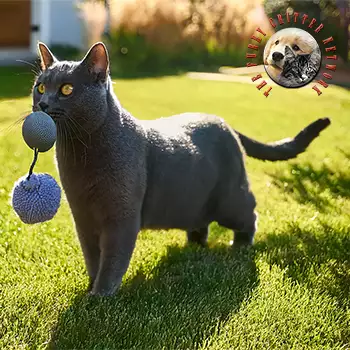

The Chartreux is a slow-maturing breed, and the juvenile period is marked by steady, sometimes uneven physical growth that can extend well into the second or even third year of life. Between three and six months of age, kittens experience their most dramatic growth spurt, gaining weight rapidly as their skeletal frame lengthens and their musculature begins to fill out. Males in particular may appear gangly and disproportionate during this phase, with legs that seem too long for their body.
By six months, most Chartreux kittens have lost the round, soft appearance of early kittenhood and are beginning to develop the broad chest and sturdy build characteristic of the breed. However, the full adult body condition, including the distinctive robust shoulders and thick neck, will not be achieved for some time. Patience is key during this stage, as the Chartreux fills out gradually rather than all at once.
The coat undergoes significant changes during the juvenile months. The soft, fine kitten fur is progressively replaced by the breed's signature dense, woolly double coat with its slightly water-repellent texture. The transition can cause the coat to appear uneven or patchy at times, which is entirely normal. The characteristic blue-gray color deepens, and the uniform silvery sheen becomes more pronounced as the adult coat grows in.
Dental development is another hallmark of this period. Baby teeth begin falling out around three to four months of age, replaced by the permanent adult dentition over the following months. You may find tiny teeth on the floor or notice your kitten chewing more than usual. Providing appropriate chew toys can help ease any discomfort during teething and redirect chewing away from household items.