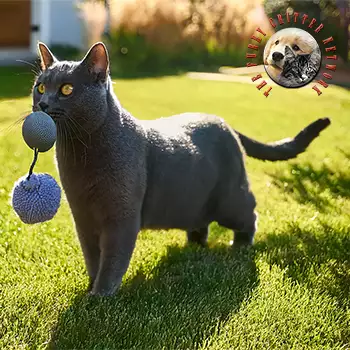

Breeding Readiness

Breeding a Chartreux responsibly requires far more preparation than simply pairing two cats. Before any mating takes place, both the queen and the stud should undergo thorough health evaluations including screening for common feline infectious diseases such as feline leukemia virus and feline immunodeficiency virus. A complete physical examination, dental assessment, and review of vaccination status should also be completed. Both cats should be in excellent overall health and at a healthy body weight before breeding is considered.

The Chartreux is a slow-maturing breed, and most responsible breeders wait until the queen is at least eighteen months to two years of age before her first mating. While female cats may reach sexual maturity as early as five months, physical and emotional maturity takes considerably longer. Breeding a cat that is too young increases the risk of complications during pregnancy and birth and can compromise the long-term health of both the queen and her kittens.

Genetic screening is an essential component of breeding readiness for the Chartreux. While the breed is generally healthy, responsible breeders test for conditions known to occur in the feline population, including polycystic kidney disease and hypertrophic cardiomyopathy. Reviewing the pedigrees of both the queen and stud helps identify potential coefficient of inbreeding concerns and ensures genetic diversity within the breeding program.

Beyond health, temperament should be a primary consideration. The Chartreux is prized for its calm, affectionate, and observant nature, and these traits should be well established in both breeding cats. A nervous, aggressive, or excessively fearful cat should not be bred, regardless of its physical conformation. The goal of any responsible breeding program is to produce kittens that are healthy, well-tempered, and true to the breed standard.

The Heat Cycle

Female cats are seasonally polyestrous, meaning they cycle repeatedly during periods of increasing daylight, typically from late winter through early fall. However, indoor cats exposed to artificial lighting may cycle year-round. The Chartreux queen's heat cycle consists of several phases, and understanding each stage is essential for timing breeding appropriately.

Proestrus lasts one to two days and is characterized by subtle behavioral changes. The queen may become more affectionate, rub against surfaces more frequently, and vocalize softly. She is not yet receptive to mating during this phase. Estrus, the period of active receptivity, follows and typically lasts four to seven days. During estrus, the queen may display lordosis, a posture in which she crouches with her rear elevated and tail deflected, signaling readiness to mate. She may also call loudly, roll on the floor, and become restless.

The Chartreux is generally quieter than many breeds, but even the most reserved queen can become notably vocal during estrus. This calling behavior is hormonally driven and will repeat every two to three weeks if the queen does not mate. Repeated cycling without breeding can be stressful for the cat and does not offer any health benefit, which is one reason why cats not intended for breeding should be spayed.

Cats are induced ovulators, meaning that the physical act of mating triggers the release of eggs from the ovaries. Multiple matings over the course of estrus increase the likelihood of ovulation and successful fertilization. If mating does not occur, the queen will pass through interestrus, a brief resting period, before cycling again. Understanding this cycle helps breeders plan matings effectively and avoid unnecessary stress on the queen.

Pregnancy & Gestation

Feline gestation lasts approximately 63 to 67 days from the date of successful mating. Pregnancy in the Chartreux queen can be confirmed by a veterinarian through palpation at around three to four weeks, or via ultrasound, which can also provide an estimate of litter size. Radiographs taken after day 45 offer the most accurate count of developing kittens, as the fetal skeletons are sufficiently mineralized to be visible.

During the first few weeks of pregnancy, the queen may show few outward signs. Some queens experience a brief period of morning sickness with decreased appetite, though this typically resolves within a few days. By the third week, the nipples begin to enlarge and take on a deeper pink color, a change sometimes called pinking up. Appetite gradually increases as the pregnancy progresses, and the queen's body weight may increase by 40 to 50 percent by the time she reaches term.

Nutrition during pregnancy should be adjusted to meet the queen's increasing caloric and nutritional demands. Most veterinarians recommend transitioning the pregnant queen to a high-quality kitten formula food, which provides the higher protein, fat, and caloric density needed to support fetal development and prepare for lactation. Meals should be offered more frequently in smaller portions as the growing uterus compresses the stomach and limits its capacity.

Monitor the pregnant queen closely for any signs of complications, including vaginal discharge, lethargy, prolonged loss of appetite, or visible distress. While most Chartreux pregnancies proceed smoothly, dystocia, or difficult labor, can occur in any breed. Having your veterinarian's emergency contact information readily available and establishing a relationship with an after-hours veterinary clinic before the due date provides essential peace of mind.

Queening Preparation

As the queen approaches her due date, prepare a quiet, warm, and comfortable queening area where she can give birth and nurse her kittens undisturbed. A large, sturdy box lined with clean towels or disposable absorbent pads makes an ideal nesting space. Place it in a low-traffic room where the queen already feels safe, and introduce it at least a week before the expected delivery date so she has time to settle in.

Assemble a queening supply kit in advance. Include clean towels, sterile scissors and thread for cutting umbilical cords if the queen does not sever them herself, a bulb syringe for clearing fluid from a kitten's airway, a digital scale for weighing newborns, a heating pad for supplemental warmth, and kitten milk replacer and a small syringe in case supplemental feeding is needed. Having everything organized and accessible eliminates stressful scrambling during the birth.

The queen will typically show behavioral signs that labor is approaching within 24 to 48 hours of delivery. She may become restless, seek out the nesting box, lose her appetite, groom her genital area frequently, or vocalize more than usual. A drop in rectal temperature below 37.8 degrees Celsius often occurs within 12 to 24 hours of active labor beginning, though not all cats display this change reliably.

During labor, the queen generally manages well on her own, and minimal human intervention is best. Most Chartreux queens are calm and capable mothers. Stay nearby to observe and assist if needed, but avoid hovering or causing the queen anxiety. Kittens typically arrive every 15 to 60 minutes, though longer gaps can occur normally, especially in larger litters. Contact your veterinarian if the queen strains actively for more than an hour without producing a kitten, if more than two hours pass between kittens when you know more are expected, or if the queen appears exhausted or distressed.

Postpartum Care

The first days following birth are critical for both the queen and her kittens. The queen should be monitored for signs of postpartum complications including excessive bleeding, foul-smelling vaginal discharge, fever, loss of appetite, or disinterest in the kittens. A mild, reddish-brown discharge is normal for up to three weeks after delivery, but heavy bleeding or greenish discharge indicates a potential infection or retained placenta and requires immediate veterinary attention.

The nursing queen's nutritional demands are at their highest during lactation, often exceeding the caloric requirements of late pregnancy. Continue feeding a high-quality kitten formula food in generous portions, offering multiple meals throughout the day and ensuring fresh water is always available. Some queens may benefit from free-choice feeding during peak lactation, as the energy demands of producing milk for a growing litter are substantial.

Keep the nesting area clean and warm. Change bedding daily or whenever it becomes soiled, and maintain the ambient temperature at approximately 29 to 32 degrees Celsius for the first week, gradually reducing it as the kittens grow and develop the ability to thermoregulate. Weigh each kitten daily at the same time to track growth consistently, and note any kitten that fails to gain weight or appears less vigorous than its littermates.

Allow the queen adequate rest and minimal disruption during the first two weeks. Limit visitors and handling of the kittens to brief, gentle sessions that do not distress the mother. Most Chartreux queens are tolerant and trusting with their families, but even a calm queen can become protective if she feels her kittens are threatened. Respect her boundaries and let her set the pace for human interaction with the litter.

Responsible Breeding Ethics

Breeding Chartreux cats carries a profound ethical responsibility that extends far beyond producing beautiful kittens. The Chartreux is a relatively rare breed with a small global gene pool, and every breeding decision either strengthens or weakens the breed's long-term health and genetic viability. Responsible breeders approach their programs with a deep commitment to the welfare of individual cats and the preservation of the breed as a whole.

Every kitten produced should have a secure, committed home waiting before breeding takes place. Responsible breeders screen prospective owners carefully, provide contracts that include spay and neuter requirements for pet-quality kittens, and offer lifetime return guarantees so that no cat they produce ever ends up in a shelter. The breeder's obligation to each kitten does not end at the point of sale — it lasts for the animal's lifetime.

Health testing and genetic screening are non-negotiable components of ethical breeding. Breeding cats that have not been thoroughly screened for heritable conditions, or pairing cats with known genetic risks, is a disservice to the kittens produced and to the families that will love them. Transparency about health testing results, pedigree information, and any known issues in the bloodline builds trust and elevates the reputation of the breed.

The welfare of the breeding queen must always take precedence over production goals. Queens should not be bred on every heat cycle, and most responsible breeders limit a queen to no more than one or two litters per year, with adequate recovery time between pregnancies. A queen that shows signs of physical or emotional strain from breeding should be retired and spayed, ensuring she spends the remainder of her life as a cherished companion. Breeding is a privilege earned through knowledge, commitment, and an unwavering dedication to doing right by the animals in your care.

Always consult a qualified professional before making any health-related decisions. This content is provided for informational reference only and should not replace professional guidance specific to your animal.