
Peak Health Maintenance

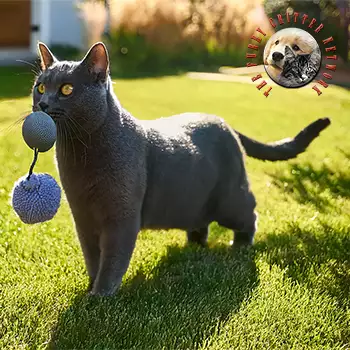
The adult Chartreux, typically reaching full physical maturity between three and five years of age, is a picture of robust health when properly cared for. This is the period when the breed's signature build is fully realized — a solid, muscular body with broad shoulders, a deep chest, and that unmistakable woolly blue-gray coat. Maintaining peak condition during these years sets the foundation for a long, healthy life.

Annual wellness examinations are the cornerstone of adult health management. Even when your Chartreux appears perfectly healthy, a thorough veterinary checkup can detect subtle changes in weight, heart function, dental health, or organ function before they become clinical problems. Routine bloodwork, including a complete blood count and basic metabolic panel, establishes baseline values that become invaluable reference points as the cat ages.

Parasite prevention should continue year-round, even for indoor-only Chartreux cats. Fleas, ticks, and intestinal parasites can enter the home on clothing, shoes, or other pets. Your veterinarian can recommend an appropriate preventive protocol based on your geographic region and household circumstances. Heartworm prevention may also be advised in areas where the parasite is prevalent.

Keep vaccination boosters current according to your veterinarian's recommended schedule. Core vaccines are typically boosted every one to three years depending on the product used and local regulations. Non-core vaccines, such as those for feline leukemia virus, may be recommended based on your cat's lifestyle and potential exposure risks.

Nutrition at Maturity

Transitioning from kitten food to a high-quality adult maintenance diet is an important step that typically occurs around twelve months of age, though some veterinarians recommend waiting longer for the slow-maturing Chartreux. Adult formulas are calibrated to maintain body weight rather than fuel growth, with slightly lower protein and fat levels than kitten food. Choose a diet with a named animal protein as the primary ingredient and minimal fillers.

The Chartreux's stocky build can mask gradual weight gain, so regular weigh-ins and body condition scoring are essential. Run your hands along the cat's sides — you should be able to feel the ribs without pressing hard, but they should not be visually prominent. A healthy adult male Chartreux typically weighs between five and seven kilograms, while females generally range from three to five kilograms. Adjust portion sizes based on activity level, metabolic rate, and body condition rather than relying solely on package guidelines.

Meal feeding on a consistent schedule is generally preferable to free feeding for adult Chartreux cats. Two measured meals per day help regulate caloric intake, establish routine, and make it easier to notice changes in appetite that could signal health issues. Consistent feeding times also support digestive regularity and prevent the weight creep that often accompanies unlimited access to food.

Hydration remains critically important throughout adulthood. Cats evolved in arid environments and often do not drink enough water voluntarily. Incorporating wet food into the diet, offering a water fountain, or placing multiple water stations around the home can encourage adequate fluid intake. Proper hydration supports kidney function, urinary tract health, and the condition of the Chartreux's distinctive coat.

Exercise & Fitness

Adult Chartreux cats maintain a playful streak well beyond kittenhood, though their play style tends to become more deliberate and strategic than the frantic energy of adolescence. Regular exercise prevents obesity, supports cardiovascular health, strengthens muscles and joints, and provides essential mental stimulation. Without adequate activity, even the naturally calm Chartreux can develop behavioral issues rooted in boredom or frustration.

Interactive play sessions remain the most effective form of exercise for indoor cats. Wand toys that mimic the erratic movements of prey engage the Chartreux's hunting instincts and encourage running, jumping, and pouncing. Vary the speed and direction of the toy to keep sessions challenging and interesting. Most adult Chartreux benefit from at least two play sessions per day, each lasting ten to fifteen minutes.

Environmental enrichment extends exercise opportunities beyond structured play. Cat trees with multiple levels encourage climbing and jumping. Window perches positioned near bird feeders provide visual stimulation and encourage alert, engaged behavior. Tunnels, paper bags, and rotating toy selections keep the indoor environment dynamic. Some Chartreux cats enjoy fetch, retrieving small toys tossed across the room, which provides exercise with minimal effort from the owner.

Monitor your cat's activity level and adjust expectations as needed. A Chartreux that has become noticeably sedentary, sleeping far more than usual or showing no interest in previously enjoyed activities, may be experiencing pain, illness, or depression. Conversely, sudden hyperactivity or restlessness in a normally calm adult cat can also indicate an underlying medical issue such as hyperthyroidism. Any significant change in activity patterns warrants a veterinary consultation.

Preventive Health Care

Proactive health care during the adult years focuses on preventing disease and catching problems early when they are most treatable. The Chartreux is generally a healthy breed, but like all cats, it is susceptible to certain conditions that benefit from regular monitoring. Dental disease, kidney function, and weight management are the three areas that deserve the most consistent attention.

Dental disease is one of the most common health problems in adult cats and can lead to pain, tooth loss, systemic infection, and organ damage if left untreated. Your veterinarian should examine your Chartreux's teeth and gums at every annual visit and may recommend professional dental cleanings under anesthesia. Between cleanings, daily tooth brushing with a cat-specific toothpaste is the gold standard for home dental care, though dental treats and water additives can provide supplemental benefit.

Kidney health is particularly important in felines, as chronic kidney disease is a leading cause of illness in aging cats. While clinical signs often do not appear until significant kidney function is lost, routine bloodwork and urinalysis can detect early changes in kidney values years before symptoms develop. Establishing baseline kidney values during the healthy adult years makes it possible to track trends over time and intervene early when needed.

Skin and coat monitoring is straightforward with the Chartreux. The breed's dense double coat should feel plush and springy, with a healthy silvery sheen. Dullness, excessive shedding, bald patches, or changes in texture can indicate nutritional deficiencies, allergies, parasites, or underlying systemic illness. Regular grooming sessions, while not strictly necessary for coat maintenance, provide an opportunity to check for lumps, bumps, wounds, or parasites that might otherwise go unnoticed beneath the thick fur.

Behavioral Maturity

By three to five years of age, the Chartreux has fully settled into its adult personality, and the breed's most celebrated traits are on full display. The mature Chartreux is typically a calm, quietly affectionate companion that forms deep bonds with its family while maintaining an independent spirit. These cats are famously tolerant and adaptable, making them well-suited to a range of household environments from single-person apartments to busy families.

The breed's quiet nature means that many adult Chartreux cats communicate primarily through body language, gentle headbutts, slow blinks, and soft chirping sounds rather than loud meowing. Learning to read your cat's subtle cues strengthens the bond between you and allows you to respond to its needs more effectively. A Chartreux that follows you from room to room, settles nearby while you work, or greets you at the door is expressing deep attachment in its characteristically understated way.

Adult Chartreux cats generally coexist peacefully with other pets and family members, though they may show a preference for one particular person in the household. This breed tends to observe before engaging, watching new situations or visitors with quiet curiosity before deciding whether to approach. Respect this thoughtful temperament rather than forcing interactions, and your Chartreux will reward you with trust and steady companionship.

Behavioral problems in adult Chartreux cats are relatively uncommon when their environmental and social needs are met. If issues such as inappropriate elimination, aggression, excessive grooming, or withdrawal develop, treat them as potential symptoms of an underlying medical or environmental problem rather than simple misbehavior. A veterinary checkup should always be the first step in addressing any sudden behavioral change in an otherwise stable adult cat.

Dental & Grooming

The Chartreux's dense, woolly double coat is one of the breed's most distinctive features and requires moderate but consistent grooming to stay in optimal condition. Unlike silkier-coated breeds, the Chartreux coat has a texture that resists matting, but regular brushing helps remove loose undercoat, distributes natural skin oils, and reduces the amount of hair ingested during self-grooming, which in turn minimizes hairball formation.

A weekly brushing session with a stainless steel comb or a slicker brush designed for dense coats is sufficient for most adult Chartreux cats. During seasonal shedding periods, typically in spring and fall, you may need to increase brushing frequency to manage the heavier coat turnover. Always brush in the direction of hair growth and be gentle around sensitive areas such as the belly and inner legs.

Nail trimming should be performed every two to three weeks. Use sharp, cat-specific nail clippers and trim only the transparent tip of each nail, avoiding the pink quick where blood vessels and nerves are located. If your Chartreux resists nail trimming, start with one or two nails per session and reward cooperation with treats. Regular trimming prevents overgrown nails from curling into paw pads and reduces damage from scratching.

Ear cleaning and eye care are minor but important components of the grooming routine. Check the ears weekly for wax buildup, debris, or signs of infection such as redness, odor, or head shaking. Clean only the visible outer ear with a veterinarian-recommended ear cleaner and a cotton ball. The Chartreux's round, expressive eyes occasionally develop minor tear staining, which can be gently wiped away with a damp, soft cloth. Persistent discharge or changes in eye appearance should be evaluated by a veterinarian.

Always consult a qualified professional before making any health-related decisions. This content is provided for informational reference only and should not replace professional guidance specific to your animal.