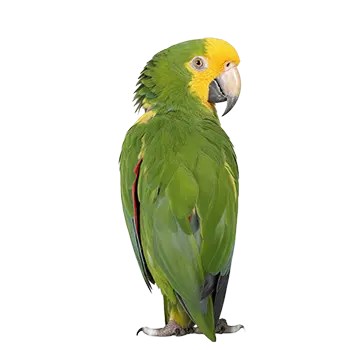

The end-of-life stage in a Yellow-Crowned Amazon may arrive after decades of companionship, a span that often encompasses a significant portion of the caregiver's own life. Because these parrots can live sixty to eighty years, the end-of-life experience carries an emotional weight that few other companion animal relationships can match. Understanding what this stage entails, both medically and emotionally, prepares the caregiver to provide the best possible care during the bird's final weeks or months.
End of life in parrots is not always precipitated by a single dramatic event. More commonly, it represents the convergence of multiple chronic conditions that have been managed for months or years but have gradually progressed beyond the point of effective treatment. Atherosclerosis, renal failure, hepatic disease, and neoplasia are among the conditions that most frequently bring Yellow-Crowned Amazons to this stage. In some cases, the bird may experience a sudden acute event, such as a stroke or organ failure, that accelerates the timeline dramatically.
The transition from active medical management to hospice-oriented care is not a surrender. It is a deliberate, compassionate shift in goals from extending life at any cost to maximizing comfort, dignity, and quality during the time that remains. This shift requires honest communication between the caregiver and the avian veterinarian about the bird's prognosis, the realistic outcomes of continued aggressive treatment, and the point at which further medical intervention is likely to cause more suffering than benefit.
Every caregiver approaches this stage differently, and there is no single correct way to navigate it. Some caregivers find comfort in establishing a structured hospice plan with defined parameters for comfort care, while others prefer to take each day as it comes and respond to the bird's condition in real time. Both approaches are valid as long as the bird's welfare remains the central consideration.