
Understanding the Prime Years

A White-Fronted Amazon reaches full physical and behavioral maturity between three and five years of age, entering a long prime period that can span several decades when supported by proper care. Amazona albifrons is the smallest of the true Amazon parrots, but it shares the genus's hallmark traits of intelligence, sociability, and robust physical constitution. An adult White-Fronted Amazon in good health is an active, vocal, and deeply engaging companion whose personality continues to develop and deepen throughout the prime years.

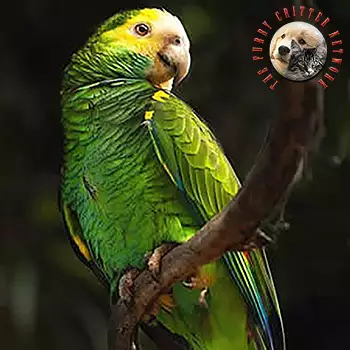
The adult White-Fronted Amazon displays its full species plumage, which is predominantly bright green with a distinctive white forehead and forecrown, red lores, and a ring of blue feathers around the eye that gives rise to the alternate common name Spectacled Amazon. Males are distinguished from females by red feathering on the alula and primary coverts, making this one of the few Amazon species with consistent visual sexual dimorphism. The bird's full adult weight typically stabilizes between 190 and 240 grams, and maintaining this weight within a healthy individual range is one of the most important indicators of ongoing well-being.

The prime years are characterized by behavioral stability relative to the hormonal upheavals of adolescence, but they are not without their challenges. Adult Amazons are creatures of habit that can develop rigid preferences for certain people, routines, foods, and cage locations. While this predictability can make daily management straightforward, it also means that necessary changes, such as a household move, a new family member, or a shift in the daily schedule, require careful, gradual introduction to minimize stress. A well-managed adult White-Fronted Amazon is adaptable precisely because its caregiver has invested in ongoing socialization and varied experiences throughout the bird's life.

The longevity of this species is both a privilege and a responsibility. A White-Fronted Amazon acquired as a young bird may live into its fifties or even sixties, meaning that the care decisions made during the prime years have consequences that extend across decades. Diet, exercise, mental stimulation, veterinary care, and the quality of the human-bird relationship during this stage collectively determine whether the bird enters its senior years in robust health or burdened by the accumulated effects of suboptimal care.

Nutrition & Diet Management

Maintaining an optimal diet for an adult White-Fronted Amazon requires balancing nutritional completeness with the behavioral enrichment that food variety provides. Amazon parrots as a group are prone to obesity and its related complications, including fatty liver disease, atherosclerosis, and lipomas. The White-Fronted Amazon's smaller body size means that even modest caloric excess accumulates rapidly, making dietary discipline more critical for this species than for larger, more metabolically forgiving Amazons.

A high-quality pelleted diet should constitute approximately 60 to 70 percent of the adult bird's daily food intake. Pellets formulated for small to medium parrots provide a balanced nutritional profile that eliminates the selective feeding behavior that makes seed-based diets so problematic. Select a pellet brand that uses natural ingredients and avoids excessive artificial colors and flavors. Some adult White-Fronted Amazons develop strong preferences for a particular pellet brand or shape, and while consistency has value, it is worth occasionally introducing alternative pellet brands to prevent the extreme food fixation that can make dietary changes difficult if a preferred product is discontinued.

Fresh vegetables and leafy greens should make up approximately 20 to 30 percent of the daily diet. Dark, nutrient-dense options such as broccoli, kale, collard greens, sweet potato, butternut squash, and bell peppers of all colors provide vitamins A, C, and K, along with calcium and antioxidants that support immune function and feather health. Vegetables can be offered raw or lightly steamed, and presenting them in different forms, chopped, shredded, whole on a skewer, or threaded through cage bars, turns mealtime into a foraging activity that engages the bird mentally as well as physically.

Fruits should be offered in limited quantities, typically no more than five to ten percent of the total diet, due to their high sugar content. Tropical fruits such as papaya, mango, and guava are appropriate choices that echo the wild diet of Central American Amazona species. Berries, apple slices, and pomegranate arils also provide valuable nutrients and enrichment variety. Avoid avocado, which is toxic to all parrots, and limit citrus fruits if the bird shows signs of digestive sensitivity.

Seeds and nuts occupy the role of high-value training rewards and foraging enrichment rather than dietary staples. A small quantity of sunflower seeds, safflower seeds, or a single almond or walnut piece per day provides healthy fats and serves as a powerful motivator during training sessions without significantly impacting overall caloric balance. The distinction between treats and meals is a line that should be held firmly throughout the adult years, because a bird that receives unlimited seed access during its prime will almost certainly develop the metabolic consequences that compromise quality of life in old age.

Exercise & Physical Enrichment

Physical activity is essential to the health and happiness of an adult White-Fronted Amazon, yet it is one of the most commonly neglected aspects of captive parrot care. In the wild, White-Fronted Amazons spend their days flying between foraging sites, climbing through canopy branches, and engaging in vigorous social play with flock members. A caged parrot must have these activity needs met through deliberate environmental design and supervised out-of-cage time, or it will pay the price in obesity, muscle atrophy, cardiovascular decline, and behavioral deterioration.

The cage itself should be the largest that the household can accommodate and that the bird is comfortable in, with a minimum footprint of 24 by 24 inches and a height of at least 30 inches for a single bird. Bar spacing should be no wider than three-quarters of an inch to prevent head entrapment. Interior arrangement matters as much as dimensions: provide perches at multiple heights and orientations, including horizontal, angled, and vertical climbing surfaces, to encourage varied movement patterns. Natural wood branches of different diameters promote foot health and provide chewing surfaces that exercise the jaw muscles.

Out-of-cage time is not optional for an adult Amazon. A minimum of three to four hours of supervised time outside the cage each day allows the bird to stretch its wings, explore its surroundings, and interact with its human flock in a more natural, less confined context. For flighted birds, safe indoor flight in a bird-proofed room provides cardiovascular exercise that no amount of perch hopping can replicate. For clipped birds, climbing a play gym, navigating a rope net, or foraging on a table-top activity station offers valuable physical engagement. Supervise all out-of-cage time to protect the bird from household hazards including open water, hot surfaces, toxic houseplants, exposed electrical cords, and other pets.

Foraging enrichment bridges the gap between physical and mental exercise. In the wild, finding and extracting food occupies the majority of a parrot's waking hours. In captivity, food is delivered in a bowl, and the bird finishes eating in minutes, leaving the rest of the day with nothing meaningful to do. Foraging toys, puzzle feeders, treat-dispensing balls, and food wrapped in unbleached paper or hidden inside cardboard boxes force the bird to work for its meals, burning calories and engaging problem-solving abilities simultaneously. Rotate foraging setups regularly to prevent habituation, and adjust difficulty gradually so the bird remains challenged without becoming frustrated.

Behavioral Patterns & Communication

An adult White-Fronted Amazon communicates constantly through a rich vocabulary of vocalizations, body language signals, and learned behaviors. Learning to read and respond to these cues is the foundation of a harmonious long-term relationship. Amazons that feel understood by their caregivers are calmer, more cooperative, and less likely to resort to problematic behaviors such as biting, screaming, or feather destruction.

Vocalizations in the adult White-Fronted Amazon range from quiet contact calls and conversational murmurs to the full-volume flock calls that the species uses at dawn and dusk. These morning and evening vocal sessions are biologically driven and should be expected rather than punished. Attempting to suppress natural flock calling creates stress and often backfires, resulting in even louder and more persistent vocalizations. Instead, allow the bird its brief daily calling periods and use positive reinforcement to encourage quieter communication during other parts of the day. Many White-Fronted Amazons develop moderate talking ability, learning words, phrases, and household sounds that they deploy with surprising contextual awareness.

Body language provides the most immediate and reliable information about an Amazon's emotional state. Pinning eyes, in which the pupils rapidly dilate and contract, indicate heightened excitement or arousal and can precede either enthusiastic engagement or a bite, depending on context. Raised nape feathers and a fanned tail signal agitation or defensive posturing. A relaxed bird holds its feathers sleek but not pressed tight, perches on one foot, and may grind its beak softly, a behavior that indicates contentment and readiness for sleep.

Hormonal behavior is a recurring feature of adult Amazon life, typically peaking during the spring breeding season but potentially flaring at other times of year in response to environmental triggers. During hormonal periods an adult White-Fronted Amazon may become more territorial, more vocal, more nippy, and more possessive of its preferred person. Understanding that these behaviors are hormonally driven rather than deliberately defiant helps caregivers respond with patience rather than frustration. Management strategies include adjusting the photoperiod to provide no more than ten to twelve hours of light per day, removing nesting stimuli such as hut-style toys or dark enclosed spaces, reducing warm soft foods that mimic breeding-season abundance, and minimizing physical contact patterns that the bird may interpret as mate-bonding behavior.

Consistency in interaction remains the most powerful behavioral tool across all contexts. An adult White-Fronted Amazon that receives clear, predictable responses to its behavior, positive reinforcement for desirable conduct and calm, neutral responses to undesirable conduct, will settle into a cooperative pattern that makes daily life enjoyable for both bird and caregiver. Inconsistency, where biting is tolerated one day and punished the next, or screaming is rewarded with attention sometimes and ignored other times, generates confusion and anxiety that manifest as increasingly erratic behavior.

Mental Stimulation & Environmental Enrichment

Intellectual engagement is as essential to a White-Fronted Amazon's well-being as proper nutrition and veterinary care. Amazon parrots possess cognitive abilities that rival those of a young child, including problem-solving, object permanence, basic counting, and the ability to learn complex associations between words and meanings. An understimulated adult Amazon does not simply become bored; it becomes stressed, and chronic stress in a parrot manifests as destructive behavior, self-directed aggression such as feather plucking, excessive screaming, and stereotypic movements such as repetitive pacing or head swinging.

Toy rotation is the simplest and most effective enrichment strategy available. Rather than filling the cage with a permanent collection of toys that the bird habituates to and ignores, maintain a library of toys and rotate three to five items into the cage at a time, swapping them out weekly or biweekly. Include a mix of categories: destructible toys made of untreated wood, palm leaf, and vegetable-tanned leather satisfy the chewing drive; manipulative toys with moving parts, locks, and hidden compartments engage problem-solving skills; and auditory toys such as bells and rattles provide sensory variety.

Foraging enrichment deserves its own dedicated attention because it addresses one of the most significant behavioral deficits created by captivity. A wild White-Fronted Amazon spends six to eight hours per day searching for, extracting, and processing food. A captive bird with a full food bowl completes the same task in minutes. Closing this gap requires creativity and commitment. Wrap portions of the bird's daily pellet ration in unbleached paper, tuck treats inside crumpled paper cups, thread vegetables onto stainless-steel skewers mounted inside the cage, or hide food items inside foraging boxes that the bird must dismantle to access. Commercial foraging toys are widely available and range from simple devices suitable for beginners to multi-step puzzle feeders that challenge even experienced problem solvers.

Training sessions provide structured mental stimulation while simultaneously strengthening the bond between bird and caregiver. An adult White-Fronted Amazon can learn far more than basic commands. Target training, in which the bird touches its beak to a designated object on cue, opens the door to teaching complex behaviors including waving, turning in a circle, retrieving objects, and navigating an agility course. Sessions should be kept short, five to ten minutes, to maintain enthusiasm and prevent fatigue. Always end on a success, and use the bird's highest-value treat as a reward to keep motivation high.

Environmental variety rounds out a comprehensive enrichment program. Rearranging the cage interior periodically, introducing new perch locations, providing access to different rooms during out-of-cage time, and offering novel sensory experiences such as a shallow bath with floating flower petals or a safe outdoor viewing window all contribute to a stimulating, dynamic environment. The goal is to approximate, however imperfectly, the sensory richness and unpredictability of the wild environment that this species evolved to navigate.

Preventive Health Care

Preventive veterinary care is the single most effective investment a caregiver can make in an adult White-Fronted Amazon's long-term health. Routine examinations allow a qualified avian veterinarian to detect subtle changes in weight, body condition, organ function, and blood chemistry long before they produce visible symptoms. Because parrots are instinctive prey animals that mask illness as a survival strategy, many serious conditions are well advanced by the time external signs become apparent. Annual wellness examinations transform reactive crisis management into proactive health maintenance.

A comprehensive annual examination for an adult White-Fronted Amazon should include a complete physical assessment encompassing body weight, keel score, feather condition, skin integrity, beak and nail evaluation, joint palpation, and auscultation of the heart and air sacs. Laboratory diagnostics should include a complete blood count, blood chemistry panel covering liver enzymes, kidney values, calcium, uric acid, and blood glucose, and a fecal gram stain to assess gastrointestinal flora. These baseline values, tracked year over year, reveal trends that a single snapshot could miss. A gradual rise in liver enzymes over several annual panels, for example, may indicate developing hepatic lipidosis long before clinical signs such as overgrown beak or changes in droppings emerge.

Beak and nail maintenance is a routine aspect of adult care that should be performed by an experienced avian veterinarian or a skilled keeper who has been trained in proper technique. The beak of a healthy White-Fronted Amazon self-maintains to a significant degree through natural chewing behavior, but some individuals develop overgrowth or misalignment that requires periodic trimming. Nails should be kept blunt enough to prevent injury to the bird or its handler but long enough to provide functional grip on perches. Conditioning perches made of textite or natural rough-surfaced wood can reduce the frequency of manual nail trims.

Parasite screening and infectious disease monitoring should not be neglected simply because a bird appears healthy. Avian Chlamydiosis, caused by Chlamydia psittaci, can persist as a latent infection for years, shedding intermittently and posing a zoonotic risk to human household members. Periodic testing, particularly after any contact with unfamiliar birds, helps ensure that the household remains free of this significant pathogen. Similarly, routine fecal screening catches intestinal parasites and bacterial imbalances early, when they are easiest to treat.

Vaccination protocols for companion parrots are limited compared to those available for dogs and cats, but your avian veterinarian may recommend Polyomavirus vaccination depending on your bird's risk profile, particularly if it has exposure to breeding birds or attends bird shows. Discuss the risks and benefits with your veterinarian to make an informed decision appropriate to your individual bird's lifestyle and health history.

Common Health Concerns

Despite their reputation for hardiness, adult White-Fronted Amazons are susceptible to several health conditions that caregivers should understand and watch for throughout the prime years. Early recognition and prompt treatment of these conditions can prevent them from becoming chronic, debilitating, or life-threatening. Familiarity with the most common health challenges equips caregivers to act decisively when warning signs appear.

Hepatic lipidosis, or fatty liver disease, is one of the most prevalent health problems in captive Amazon parrots and results directly from dietary excess, particularly overconsumption of high-fat seeds and nuts combined with insufficient exercise. The liver becomes infiltrated with fat deposits that impair its function, leading to symptoms that include overgrown or flaky beak, changes in feather color or quality, lethargy, obesity, and eventually liver failure. Treatment requires dietary correction, weight management, and supportive medications, but the condition is far easier to prevent than to reverse. A pellet-based diet with limited seed treats, combined with daily exercise, provides the strongest protection against hepatic lipidosis.

Respiratory infections remain a significant concern throughout the adult years. Bacterial, fungal, and viral pathogens can affect the upper or lower respiratory tract, producing symptoms ranging from subtle tail-bobbing and decreased vocalization to overt nasal discharge, wheezing, and open-mouth breathing. Aspergillosis, a fungal infection caused by Aspergillus species commonly found in the environment, is particularly insidious because it can establish itself in the air sacs and lungs and progress silently for weeks or months before producing obvious clinical signs. Maintaining excellent air quality in the bird's living space, avoiding dusty substrates, and ensuring adequate ventilation are the frontline defenses against fungal respiratory disease.

Feather-destructive behavior, while more common in larger Amazon species and African Greys, can occur in White-Fronted Amazons that are understimulated, socially deprived, or experiencing chronic low-grade health issues. A bird that begins plucking, barbering, or chewing its feathers requires a thorough veterinary workup to rule out medical causes, including skin infections, liver disease, heavy metal toxicity, and hormonal imbalances, before the behavior is attributed to psychological factors. Medical and behavioral causes frequently coexist, and addressing only one while ignoring the other leads to treatment failure.

Atherosclerosis, the buildup of fatty plaques in the arterial walls, is an increasingly recognized condition in older adult Amazons. While it is more commonly diagnosed in senior birds, the atherosclerotic process begins during the prime adult years, driven by the same dietary and activity factors that contribute to fatty liver disease. The condition is largely preventable through lifelong dietary management, regular exercise, and avoidance of chronic stress. Clinical signs, when they eventually appear, may include exercise intolerance, episodes of weakness or collapse, and sudden death in severe cases. Annual blood lipid screening, when available, provides a valuable tool for monitoring cardiovascular risk over time.

Always consult a qualified professional before making any health-related decisions. This content is provided for informational reference only and should not replace professional guidance specific to your animal.