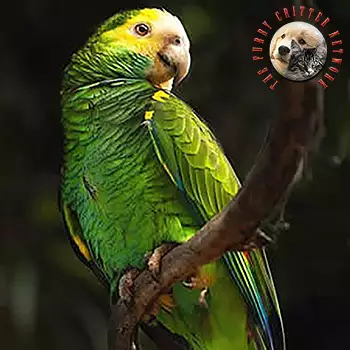

There comes a point in a White-Fronted Amazon's life when the trajectory of age-related decline or terminal illness shifts from manageable to irreversible, and recognizing this transition is one of the most important and most difficult responsibilities a caregiver will face. Amazona albifrons can live for decades, and a bird that has been a daily companion for twenty, thirty, or even forty years occupies a place in the caregiver's life that few other relationships can match. Acknowledging that the bird is entering its final stage is not a failure of care; it is an act of clear-eyed love that allows the caregiver to redirect energy from fighting the inevitable toward ensuring the bird's remaining time is as comfortable and dignified as possible.
The signs of terminal decline in a White-Fronted Amazon vary depending on the underlying cause, but several common patterns emerge across conditions. Progressive, unresponsive weight loss despite adequate food access and dietary support is one of the most reliable indicators. A bird that has been losing weight gradually over weeks or months and no longer responds to veterinary interventions or dietary adjustments is likely experiencing systemic organ failure. Persistent lethargy, spending the majority of the day fluffed and immobile on the cage floor rather than perching, signals a level of weakness that goes beyond ordinary fatigue.
Changes in breathing pattern are another significant marker. Labored breathing at rest, characterized by tail-bobbing, open-mouth respiration, or audible respiratory sounds, indicates compromised respiratory or cardiovascular function that may no longer be reversible. Similarly, a bird that stops vocalizing entirely after a lifetime of daily communication is telling its caregiver something profound about its internal state. The absence of vocalization in a normally vocal species like the White-Fronted Amazon is often a reflection of systemic exhaustion or pain.
The bird's relationship with food provides a final, powerful indicator. A White-Fronted Amazon that refuses its favorite treats, shows no interest in foraging activities that once engaged it eagerly, and turns its head away from offered food has often reached a point where the body is no longer processing nutrition effectively. This loss of appetite is distinct from the temporary inappetence that accompanies treatable illnesses; it is a sustained, progressive disengagement from the act of eating that reflects the body's winding down of its most basic functions.